Bulk Yoga Blocks for Studios | Cork & Foam Buying Guide
Jack UtermoehlBulk yoga blocks are a practical choice for yoga studios, fitness centers, schools, wellness programs, teacher trainings, and community spaces that need reliable props for many students. Choosing the right quantity, material, and style helps create a consistent practice experience while supporting your budget, storage space, and teaching goals. A thoughtful purchase can serve your community well for years with proper care and maintenance.
Outfitting a yoga studio? Explore Asivana wholesale yoga props and studio bundles for simple bulk ordering and studio-focused support.
Who benefits from buying bulk yoga blocks?
Buying yoga blocks individually makes sense for home practice, but larger organizations usually benefit from purchasing multiple blocks at once. Having a consistent set of props allows teachers to plan classes with confidence because every participant has access to the same support.
Common buyers include yoga studios, schools, universities, corporate wellness programs, gyms, physical therapy clinics, community recreation centers, retreat organizers, and yoga teacher training programs. Event organizers may also purchase larger quantities when hosting workshops or conferences where props are provided for every participant.
For most group settings, two blocks per student provides the greatest flexibility. Many standing, seated, and restorative poses can be adapted more comfortably when students have access to a pair.

Choosing the right material for group use
The material of a yoga block affects weight, feel, durability, cleaning requirements, and overall user experience. The best option depends on how the blocks will be used.
Foam blocks
Foam blocks are lightweight and comfortable to handle. They are commonly used in studios because they are easy to move around the room and generally comfortable for a wide range of practitioners. They work well for general yoga classes where blocks are frequently handled throughout the session.
Cork blocks
Cork blocks typically feel firmer and offer stable support. Many practitioners appreciate their solid surface during standing poses and balance work. Their additional weight can also help keep them in place during practice.
Wood blocks
Wood blocks have a traditional appearance and provide a very firm surface. They are less common in modern group classes because of their weight, but some teachers and experienced practitioners enjoy their stability for specific applications.
When purchasing in larger quantities, consistency matters. Matching size and material across the entire set helps create an even experience for every student and simplifies replacement orders later.
How many yoga blocks should you order?
The right quantity depends on your class size and how your space operates. Start with your maximum class capacity instead of your average attendance. This prevents shortages during busy periods.
Many studios plan for:
- Two blocks per student.
- A small number of extra blocks for replacements or larger classes.
- Additional sets for workshops if attendance regularly exceeds normal class sizes.
If your organization teaches in multiple rooms at the same time, calculate the needs of each room independently rather than assuming props can easily be shared between classes.
Storage is another practical consideration. Shelving, prop carts, or dedicated storage areas help keep blocks organized and extend their usable life by reducing unnecessary wear.

What to consider before placing a bulk order
Large purchases deserve careful planning because the blocks will likely be used for many years.
Consider the following questions before ordering:
- Will the blocks be used for gentle classes, athletic styles, restorative yoga, or a mix?
- How often will they need to be cleaned?
- Is lightweight equipment important for staff or students?
- Do you need matching props throughout the facility?
- How much storage space is available?
- Will replacement blocks remain available in the future?
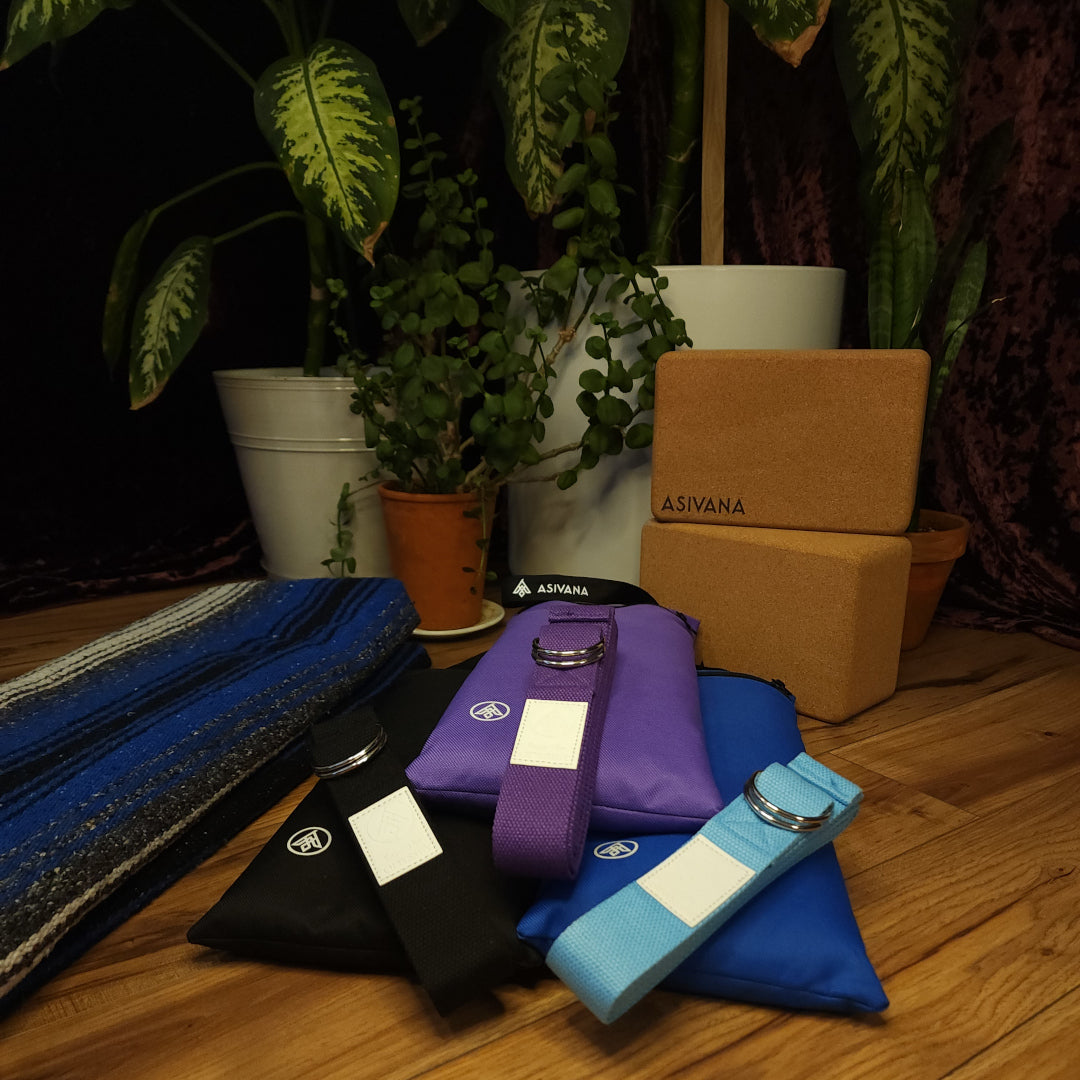
It is also worth thinking about the overall prop collection. Yoga blocks are often used alongside straps, blankets, bolsters, or other accessories. Purchasing complementary props over time can create a more versatile teaching environment without requiring every purchase to happen at once.
If you are exploring Asivana Yoga's prop collections, focus on choosing equipment that supports the types of classes you teach most often. Practical consistency usually provides more value than constantly changing equipment.
Cleaning, storage, and long term maintenance
Well-maintained props contribute to a welcoming practice space and can significantly extend the life of your investment.
Create a simple cleaning routine based on how frequently the blocks are used. Wipe surfaces according to the care recommendations for the material and allow them to dry completely before stacking or storing.
Store blocks where air can circulate and where they remain easy for students to access independently. Organized storage also speeds up class transitions and reduces unnecessary handling by staff.
Inspect your inventory periodically for excessive wear, cracks, or damage that could affect safe use. Replacing individual blocks when needed helps keep the overall collection consistent.

Making a practical purchasing decision
The best bulk yoga blocks are the ones that fit your teaching environment, budget, and students' needs. There is rarely a single perfect choice for every organization.
A busy studio offering varied classes may prioritize lightweight blocks that are easy to move throughout the day. A restorative-focused space may place greater importance on comfort and consistency. Educational programs may value durability across years of regular student use.
Rather than focusing only on the initial purchase price, think about how frequently the blocks will be used, how they will be maintained, and whether they will continue meeting your needs as your program grows.
Taking time to evaluate these practical details helps ensure your bulk yoga blocks support both teachers and students through many classes ahead.
FAQ
How many bulk yoga blocks does a studio usually need?
Most studios plan for two blocks per student based on their maximum class capacity, plus a small number of extras for replacements or larger classes.
Are foam or cork yoga blocks better for group classes?
Both can work well. Foam is lightweight and easy to handle, while cork provides a firmer, more stable feel. The best choice depends on your teaching style and student needs.
Should every yoga block in a studio match?
Matching blocks create a more consistent experience for students and make class planning easier for teachers.
How should yoga blocks be stored?
Store them on shelves or dedicated prop storage where they stay clean, dry, and easy for students to access.
Can schools and wellness programs benefit from buying in bulk?
Yes. Organizations serving groups often save time and create a more consistent learning environment by purchasing enough matching props for every participant.