Cork Yoga Blocks
Jack UtermoehlCork yoga blocks are firm yoga props that provide stable support for balance, alignment, seated postures, standing poses, and restorative practice. Their natural weight and solid feel help many practitioners create consistent contact with the floor while adapting poses to their current range of motion. Choosing the right block depends on how you practice, what kind of support you prefer, and how you plan to use it over time.
Why choose cork yoga blocks?
A yoga block is a simple tool that changes the relationship between your body and the floor. By bringing the ground closer, it can make poses more accessible while also creating useful feedback for experienced practitioners.
Cork yoga blocks are valued because they are firm and stable. Unlike softer foam blocks, cork compresses very little under pressure. That firmness can create confidence in standing balances, weight bearing poses, and seated postures where a steady foundation matters.
The natural weight of cork is another practical advantage. A heavier block is less likely to slide or shift during transitions, especially on smooth studio floors.

When cork blocks work especially well
Different yoga styles place different demands on props. Cork blocks can be useful across many approaches to practice.
Standing poses
In Triangle Pose, Half Moon, or Extended Side Angle, a cork block offers a dependable surface for the lower hand. The stability allows attention to return to alignment rather than worrying about the prop moving.
Seated postures
Sitting on a block can make it easier to find a neutral pelvis in meditation or forward folds. The firm support encourages an upright spine while reducing strain through the hips and lower back for many practitioners.
Balance practice
During balance work, a stable prop can reduce unnecessary movement. This creates a clearer sense of where your weight is distributed and helps refine body awareness.
Restorative yoga
Although softer props such as bolsters and folded blankets often provide the primary support in restorative yoga, cork blocks can add height under the hands, shoulders, or pelvis when a steady lift is helpful.
Cork versus foam yoga blocks
Many practitioners choose between cork and foam. Neither option is universally better. The right choice depends on your preferences and intended use.
Cork blocks generally provide:
- Greater firmness and stability.
- More weight, which helps reduce movement on the floor.
- A solid surface for weight bearing poses.
Foam blocks generally provide:
- A lighter feel for transport.
- More cushioning against sensitive joints.
- A softer surface that some practitioners prefer for restorative work.
If your practice includes frequent standing poses, arm balances, or alignment focused classes, cork may be the better fit. If comfort against the body is your highest priority, foam may suit you well.

How to choose the right cork yoga blocks
Most practitioners do well with a pair of blocks rather than a single block. Two blocks create symmetry during seated poses, forward folds, supported bridge variations, and restorative setups.
When choosing cork yoga blocks, consider:
- How often you use props during practice.
- Whether you prefer a firm or cushioned feel.
- Whether you primarily practice at home or carry props to class.
- The kinds of poses you practice most often.
If you are building a home practice space, blocks are often one of the first props worth adding because they support a wide range of postures without adding complexity.
At Asivana Yoga, yoga props are intended to support learning and steady practice. Choosing a block that feels reliable encourages consistent use, which is often more valuable than having many different accessories.
Cleaning and caring for cork blocks
Cork is relatively easy to maintain with regular care.
Wipe the surface with a lightly damp cloth after use if needed. Allow the block to dry completely before storing it. Avoid soaking cork or leaving it in standing water for extended periods.
Store blocks in a dry location away from prolonged direct sunlight. While cork is durable, keeping it clean and dry helps preserve its appearance and performance over time.
If chalk, dust, or studio residue builds up, a gentle wipe is usually enough to restore the surface.

Building a practical prop collection
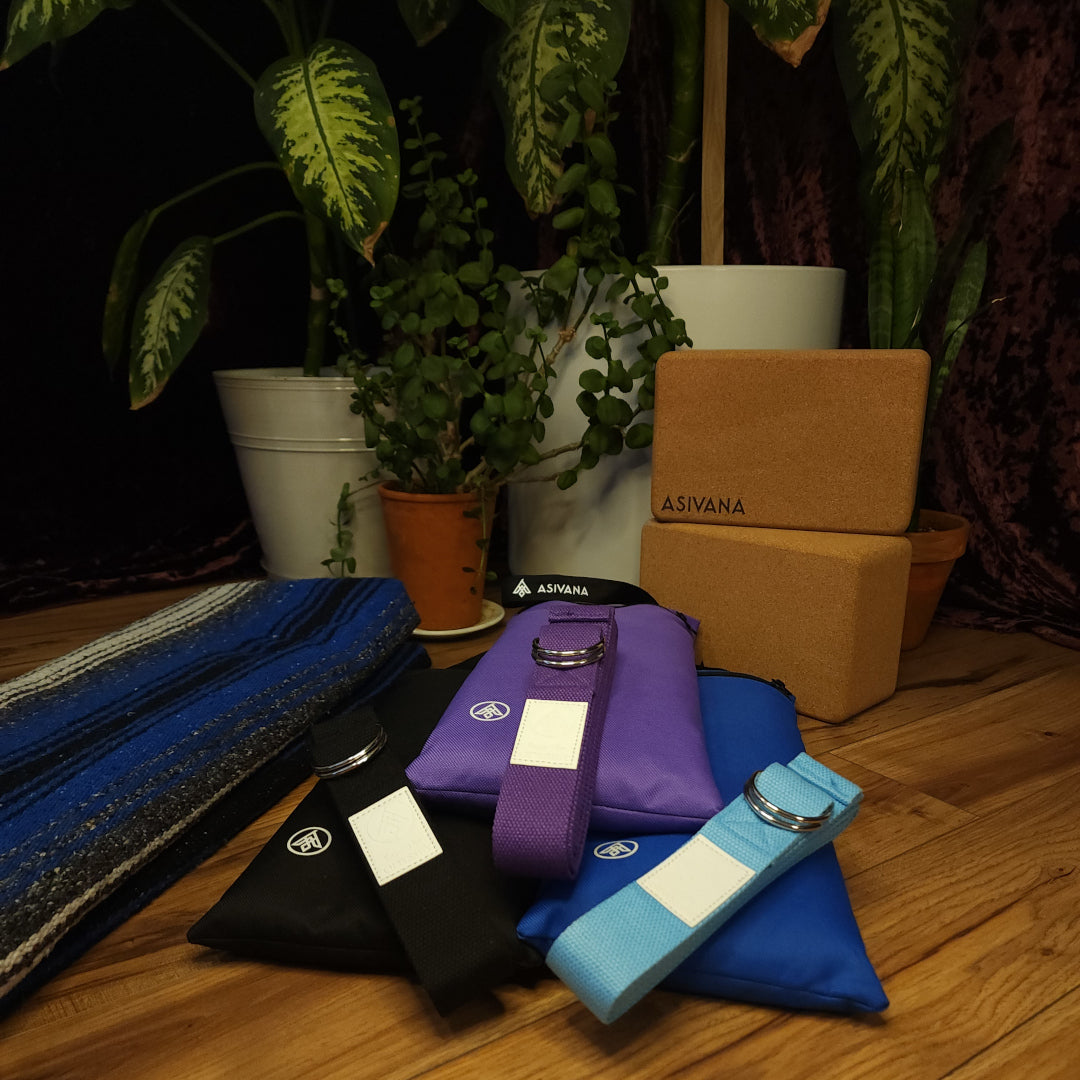
A pair of cork blocks works well alongside a yoga strap and folded blanket. These three props support many common modifications without requiring a large investment of space.
For practitioners exploring restorative yoga, adding a bolster later can expand the number of supported positions available. Each prop has its own role, and together they create options for adapting practice to changing energy levels, mobility, and goals.
Props are not only for beginners. Experienced practitioners often use them to refine alignment, explore longer holds, and work with greater precision.
FAQ
Are cork yoga blocks better than foam?
They are better for practitioners who want a firm, stable surface. Foam may be preferable when extra cushioning is more important.
Do I need one block or two?
Two blocks provide more options for symmetrical poses and restorative setups, making them a practical choice for most home practitioners.
Can beginners use cork yoga blocks?
Yes. Blocks help adapt poses to your current mobility and support good alignment from the beginning of practice.
How do I clean cork yoga blocks?
Wipe them with a damp cloth, allow them to dry fully, and store them in a dry place. Avoid prolonged soaking.
Are cork blocks suitable for restorative yoga?
Yes. They are often combined with blankets and bolsters to add stable height and support in restorative postures.