How Heavy Should a Yoga Sandbag Be
Jack UtermoehlFor most practitioners, the answer to how heavy should a yoga sandbag be depends on where the sandbag is used and the purpose of the pose. A weight between 5 and 10 pounds works well for many restorative and gentle yoga practices, while lighter or heavier options can be appropriate for specific applications. The goal is steady, comfortable pressure that supports relaxation, awareness, and stability without creating strain or restricting natural breathing.
Why yoga sandbag weight matters
A yoga sandbag is designed to provide gentle downward pressure. Unlike a weight used for strength training, a yoga sandbag helps create a feeling of grounding in supported postures, restorative yoga, and some pranayama practices.
If the sandbag is too light, it may shift easily or provide very little sensory feedback. If it is too heavy, it can create discomfort, compress joints, or interfere with relaxed breathing. The right weight feels stable while allowing the body to soften into the support beneath it.
Weight is only one consideration. The size of the sandbag, how evenly the filling is distributed, and the location on the body all influence how it feels.

Recommended yoga sandbag weights for common uses
3 to 5 pounds
This lighter range is suitable for smaller practitioners, people who are new to restorative yoga, and areas of the body that benefit from subtle pressure. It can work well across the hands, feet, or upper thighs during supported relaxation.
5 to 10 pounds
This is the most versatile range for general yoga practice. Many teachers use sandbags in this weight range during restorative poses because they provide enough pressure to encourage a sense of stability without becoming overwhelming.
A 5 to 10 pound sandbag may be used across the front of the thighs in reclining poses, on the pelvis in selected supported postures when appropriate, or across the ankles to help create a grounded feeling.
10 to 15 pounds
Heavier sandbags are typically used by experienced practitioners or teachers who understand when additional weight is appropriate. These weights may be helpful for larger body frames or for specific grounding applications, but they require greater care and should never cause pain or restrict comfortable breathing.
In most home practices, there is rarely a need to exceed this range.
How placement changes the ideal weight
The same sandbag can feel very different depending on where it is placed.
Across the thighs
The thighs generally tolerate more weight because they contain large muscle groups. A medium weight sandbag often feels comfortable here during restorative poses such as Supta Baddha Konasana with appropriate support.
On the pelvis
A moderate weight may provide a grounding sensation when carefully positioned across the front of the pelvis in supported poses. Comfort should always guide the amount of weight used.
Across the feet or ankles
Light to medium weights are usually enough. The purpose is often to encourage relaxation rather than create significant pressure.
Across the shoulders or hands
Lighter weights generally work best because these areas contain smaller joints and more sensitive structures.
On the abdomen
Very light weights are sometimes used during breathing awareness practices by experienced teachers. The intention is to increase awareness of diaphragmatic movement rather than limit it. Anyone with respiratory concerns, pregnancy, recent surgery, or other medical considerations should avoid placing weight on the abdomen unless guided by a qualified healthcare professional or experienced instructor.

How to choose the right sandbag for your body and practice
If you are deciding how heavy should a yoga sandbag be for your personal practice, begin with your intended use rather than choosing the heaviest option available.
Ask yourself a few practical questions:
- Will you mainly practice restorative yoga?
- Will the sandbag be shared among people with different body sizes?
- Do you want one versatile weight or several options?
- Are you looking for grounding during relaxation or support in more active poses?
Many practitioners find that one medium weight sandbag meets most of their needs. Teachers working with groups often keep several different weights available so students can choose what feels appropriate.
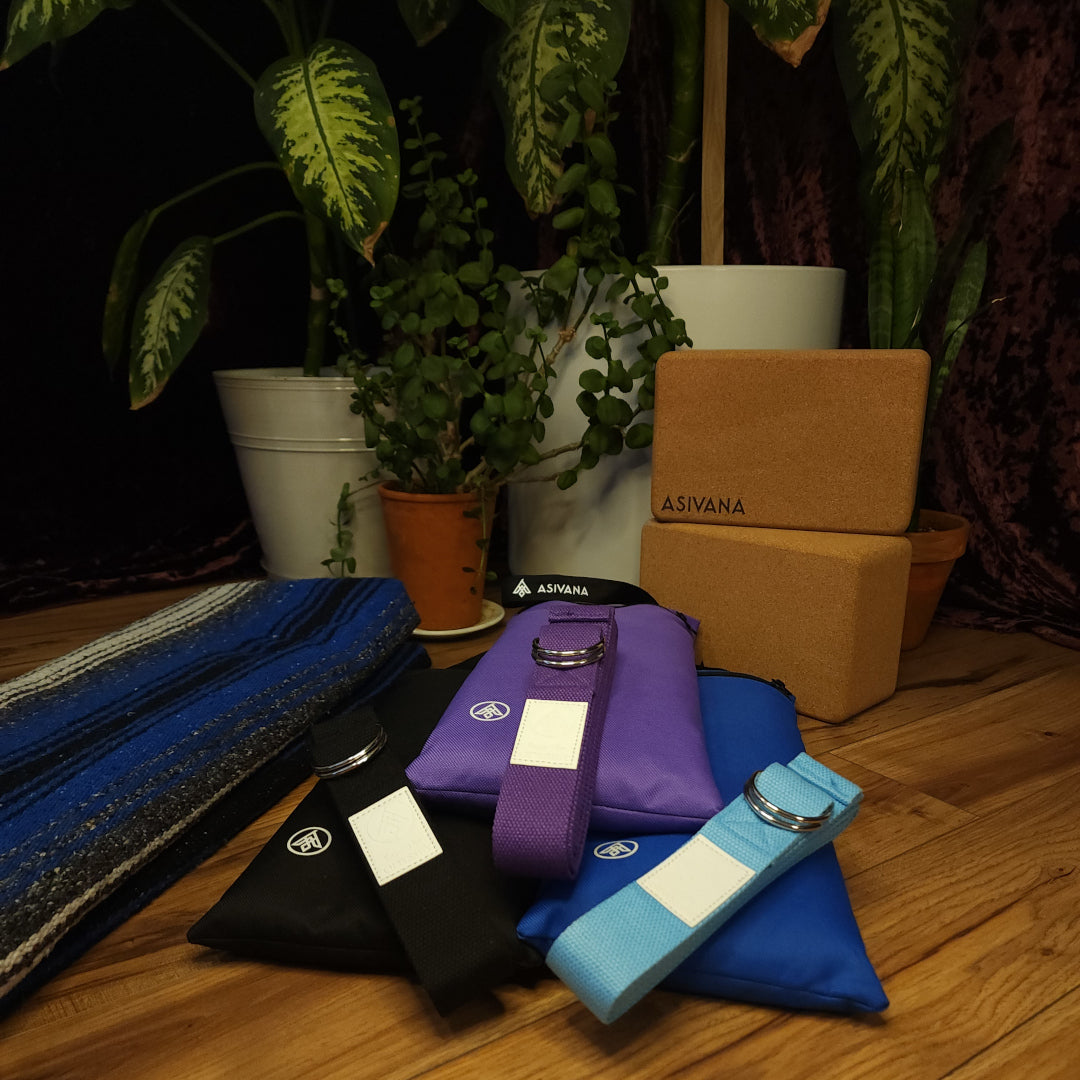
The quality of construction also matters. A durable outer cover and evenly distributed filling help the sandbag rest comfortably against the body. If you are exploring yoga props from Asivana Yoga, consider selecting a sandbag or related prop that matches your style of practice and complements other restorative supports such as blankets, bolsters, or blocks.
Safety considerations when using yoga sandbags
Yoga sandbags are simple tools, but thoughtful use is important.
Pressure should always feel calming rather than forceful. If you notice numbness, tingling, discomfort, or restricted breathing, remove the sandbag or reduce the weight.
Avoid placing heavy sandbags directly on the neck, face, or joints. Extra care should be taken during pregnancy, after surgery, or when working with injuries, osteoporosis, circulatory concerns, or respiratory conditions. In these situations, guidance from a qualified teacher or healthcare professional is appropriate.
When introducing sandbags in class, experienced teachers often encourage students to add weight gradually. This allows each person to notice how their body responds instead of assuming that more weight creates better results.
The purpose of the prop is to support awareness. A sandbag should invite the body to settle naturally into the pose.

Common mistakes when choosing a yoga sandbag
One of the most common assumptions is that heavier always means more effective. In restorative yoga, subtle pressure is often enough to encourage relaxation.
Another mistake is using the same weight for every part of the body. Areas with larger muscles generally tolerate more weight than smaller joints or sensitive regions.
Some practitioners also overlook positioning. Even a well chosen weight can feel uncomfortable if the sandbag is placed unevenly or directly over a bony area instead of being supported by broader muscle tissue.
Finally, remember that comfort can vary from day to day. A weight that feels ideal after an active week may feel excessive during recovery from illness or fatigue. Giving yourself permission to adjust your props is part of practicing with awareness.
FAQ
What is the best weight for a yoga sandbag?
For most practitioners, 5 to 10 pounds is a practical and versatile range for restorative yoga and general prop use.
Can beginners use a yoga sandbag?
Yes. Beginners often benefit from lighter sandbags because they provide gentle feedback while allowing time to learn proper placement.
How heavy should a yoga sandbag be for restorative yoga?
Most restorative practitioners are comfortable with a sandbag between 5 and 10 pounds, although lighter options may be preferable for some poses or body types.
Can a yoga sandbag be too heavy?
Yes. If the weight causes discomfort, limits breathing, creates joint pressure, or prevents you from relaxing, it is too heavy for that application.
Do I need more than one yoga sandbag?
A single medium weight sandbag is enough for many home practitioners. Teachers or households with multiple users may appreciate having different weights available.