How to Stock a Yoga Studio
Jack UtermoehlKnowing how to stock a yoga studio begins with understanding the classes you teach, the number of students you serve, and the experience you want to create. Start with dependable essentials, purchase enough equipment for your average class size, organize everything for easy access, and add retail products only when they genuinely support your community. A thoughtful approach helps create a welcoming practice space without unnecessary spending or clutter.
Start with your class schedule and student needs
Before purchasing equipment, make a simple inventory plan based on your teaching schedule. A studio offering restorative yoga has different needs than one focused on power yoga, prenatal classes, or meditation.
List the styles you teach each week, your maximum class capacity, and any workshops or private sessions that require additional equipment. This gives you a practical starting point instead of buying supplies based on assumptions.
If you regularly teach twenty students, plan inventory around that number with a small reserve for replacements or unexpected attendance. Having one or two extra props available helps classes run smoothly.

Essential equipment every yoga studio should have
The core of any studio is the equipment students use during class. Quality and consistency matter because props become part of the learning experience.
Yoga mats
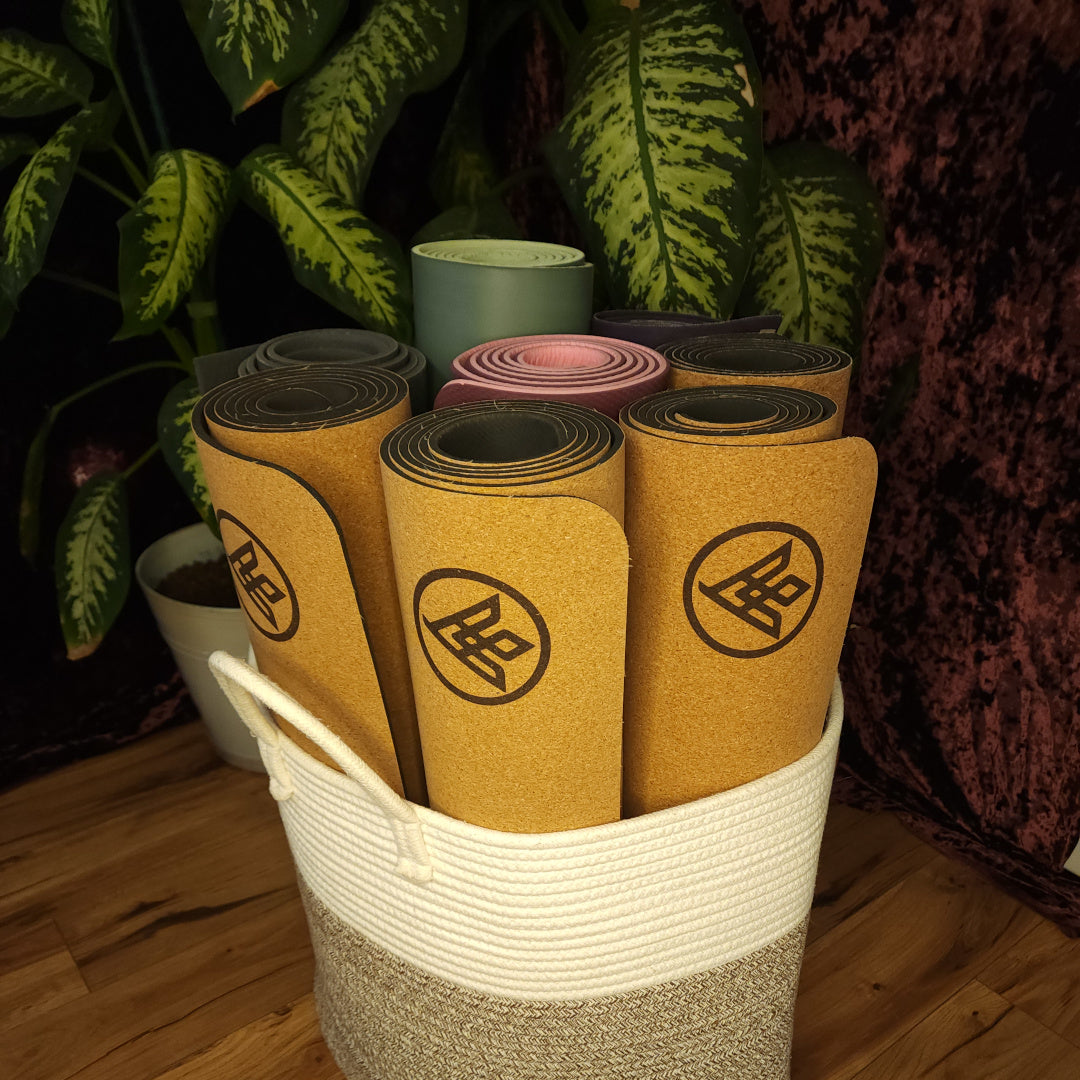
If your studio provides mats, choose durable options designed for repeated cleaning and regular use. Many studios also encourage students to bring their own mats while keeping a rental or loaner collection available.
Yoga blocks
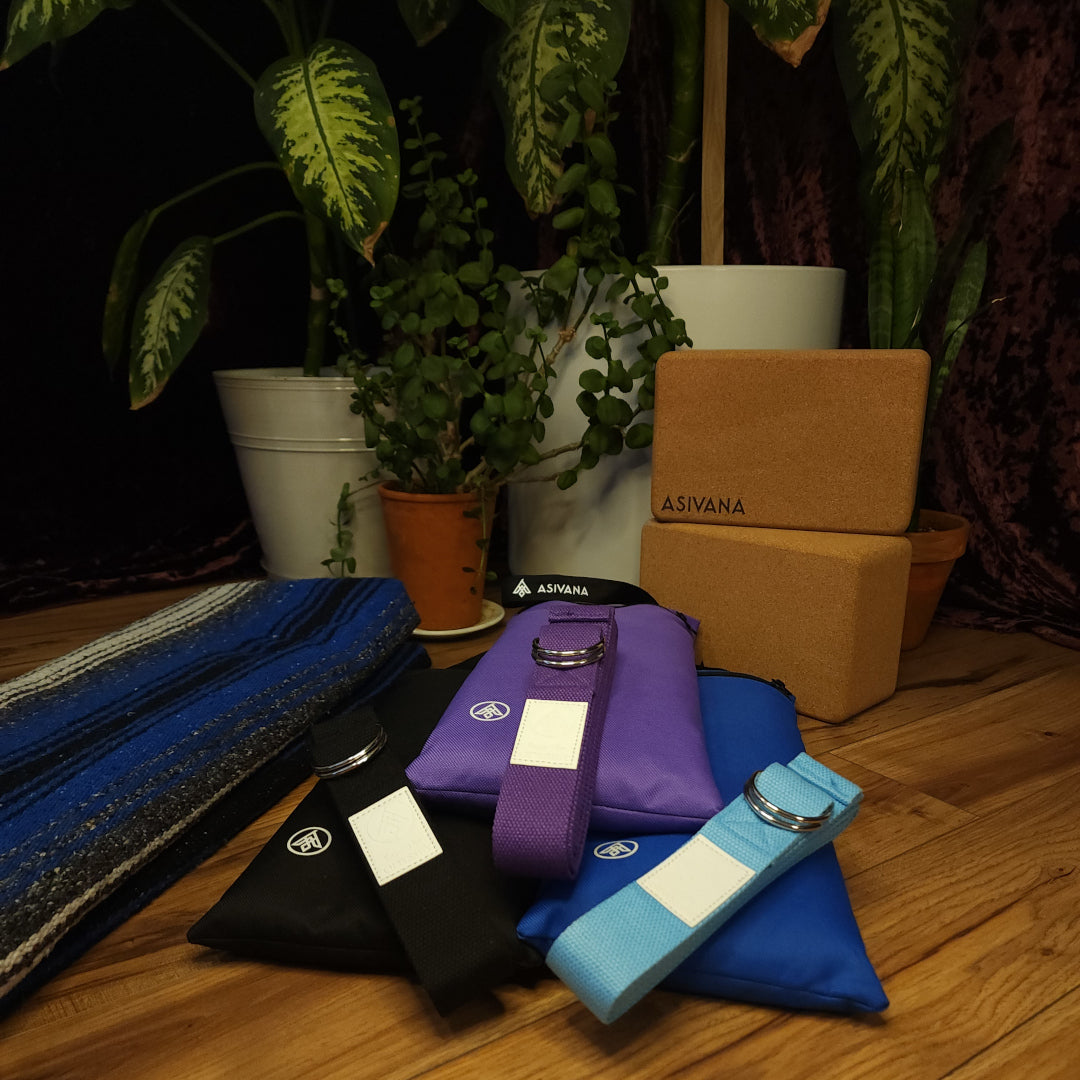
Blocks support balance, flexibility, and accessibility across many styles of yoga. Having two blocks available for each student allows teachers to offer a wider range of pose variations.
Yoga straps
Straps help students explore range of motion without forcing flexibility. They are especially useful in beginner, restorative, and therapeutic classes.
Blankets
Yoga blankets provide comfort, warmth, and support for seated poses, restorative practice, meditation, and savasana. They are among the most versatile props in a studio.
Bolsters
If restorative or prenatal classes are part of your schedule, bolsters become an important investment. You may not need one for every student at first, but having enough for your typical restorative attendance improves class quality.
Meditation cushions
Studios offering seated meditation or breathwork benefit from keeping meditation cushions available for students who need additional support.
Plan inventory with realistic purchasing priorities
Learning how to stock a yoga studio also means deciding what to buy first and what can wait.
A practical purchasing order often looks like this:
- Mats if you provide them
- Blocks
- Straps
- Blankets
- Bolsters based on class offerings
- Meditation accessories
- Additional specialty props as needed
Focus on consistency. Matching sets of props make storage easier and create a more organized classroom. Replacing equipment gradually with similar styles also helps maintain a cohesive space.
Buying everything at once is rarely necessary. Many successful studios build inventory over time as attendance grows and class offerings expand.
View or Download the Yoga Studio Essential Prop Checklist
Organize storage for daily use
Well-organized storage saves time before and after every class.
Keep frequently used props close to the practice area so students can gather what they need without congestion. Clearly labeled shelving helps both teachers and students return equipment to the correct place.
Maintain enough space between storage and practice areas so movement remains comfortable even during busy transitions between classes.
Cleaning supplies should also be easy to access. Establish simple routines for wiping mats, laundering blankets, and inspecting props for wear. Regular maintenance extends the life of your equipment and supports a clean practice environment.

Choosing retail products thoughtfully
Many studios include a small retail area. The goal is to offer useful items that students may genuinely need rather than filling shelves with unnecessary products.
Common retail categories include yoga mats, blocks, straps, water bottles, meditation accessories, and yoga-inspired jewelry. If you carry products from Asivana Yoga, present them as practical tools that support ongoing practice instead of impulse purchases.
Keep displays simple and organized. Teachers can answer questions naturally when students ask about equipment used during class, which often creates more meaningful conversations than promotional displays.
Review your inventory regularly
Your inventory should change as your community grows.
Every few months, evaluate which props are used most often, which classes consistently fill, and whether certain equipment needs replacement. Tracking usage helps guide future purchases more effectively than guessing.
If you are still learning how to stock a yoga studio, remember that flexibility is part of good planning. Start with dependable essentials, observe how students use the space, and make thoughtful additions based on real experience.
FAQ
How many yoga mats should a studio have?
If your studio provides mats, keep enough for your typical maximum class size plus a few extras for guests or replacements.
Do all students need two yoga blocks?
Two blocks per student allow teachers to offer more pose variations and create greater accessibility across many classes.
Should a new yoga studio sell retail products immediately?
Many studios begin with a small selection of practical items and expand only after learning what their community actually uses.
What equipment wears out the fastest?
Mats typically experience the most daily use, followed by straps and blocks. Regular cleaning and inspections help extend their lifespan.