How to Use a Yoga Bolster
Jack UtermoehlIf you are wondering how to use a yoga bolster, the simplest answer is to place it where your body needs support so you can practice with greater comfort, steadier alignment, and less unnecessary effort. A yoga bolster can support the spine, hips, knees, chest, or head during restorative poses, seated meditation, gentle stretches, and relaxation. The goal is to help your body settle into a position that you can breathe in comfortably.
What a yoga bolster is and why it is useful
A yoga bolster is a firm cushion designed to support the body during yoga practice. Unlike a standard pillow, a bolster is built to hold its shape under weight, making it useful for longer holds and restorative postures.
Support changes the experience of a pose. Instead of asking your muscles to work continuously, a bolster can reduce unnecessary effort so your attention can move toward breathing, awareness, and ease. It also makes many postures more accessible for people with limited mobility, recovering bodies, or anyone looking for a gentler practice.
There is no single correct way to use a bolster. The best placement depends on your body, your intention, and the pose you are practicing.
How to use a yoga bolster in restorative yoga
Restorative yoga is one of the most common places to use a bolster because the practice emphasizes comfort and stillness. The bolster supports the body so you can remain in each posture without strain.
Supported child's pose
Place the bolster lengthwise between your knees and fold your torso over it. Turn your head to one side and switch halfway through the pose if you remain there for several minutes. This setup can reduce pressure through the hips, lower back, and shoulders.
Reclined heart opener
Position the bolster lengthwise beneath your spine so your head and pelvis remain supported. Allow your arms to rest comfortably to the sides. This creates a gentle opening across the front of the body while encouraging relaxed breathing.
Supported bound angle pose
Sit in front of the bolster, bring the soles of your feet together, and slowly recline onto the support. If your knees feel strained, place folded blankets or blocks beneath each thigh. The purpose is steady support rather than forcing flexibility.
Legs up the wall
Place the bolster beneath your hips or lower pelvis while your legs extend up the wall. Some practitioners prefer no lift at all, while others enjoy the gentle elevation. Try both to see which feels more comfortable.

Using a bolster for seated poses and meditation
Many people think of bolsters only for lying down, but they are equally valuable in seated practice.
Sitting on a bolster raises the hips above the knees. For many bodies, this creates a more comfortable pelvic position and helps maintain a natural curve through the lower back. If your knees remain higher than your hips, adding folded blankets on top of the bolster can provide additional height.
During meditation, place the bolster beneath your sitting bones rather than directly under the thighs. Allow your legs to settle into a comfortable cross-legged position or kneeling posture. The support should make it easier to sit with a steady spine without excessive muscular effort.
A bolster can also support the knees during seated positions if they do not comfortably reach the floor.
Ways to use a yoga bolster for gentle stretching
Bolsters help reduce the intensity of stretches while improving stability. This often allows you to stay longer in a position without feeling that you need to push deeper.
In a seated forward fold, place the bolster across your legs and rest your chest and forearms on it. Instead of reaching toward your feet, let the support meet your body.
During a gentle twist, hug the bolster while rotating your torso. The added support encourages a softer twist that relies less on muscular effort.
For hip-opening postures, place the bolster beneath the outer thigh or knee if the leg feels unsupported. Supporting the joints often creates a more balanced stretch throughout the hips.
When practicing a reclining hamstring stretch with a strap, placing a bolster beneath the opposite knee may reduce tension through the lower back.

Choosing the right setup for your body
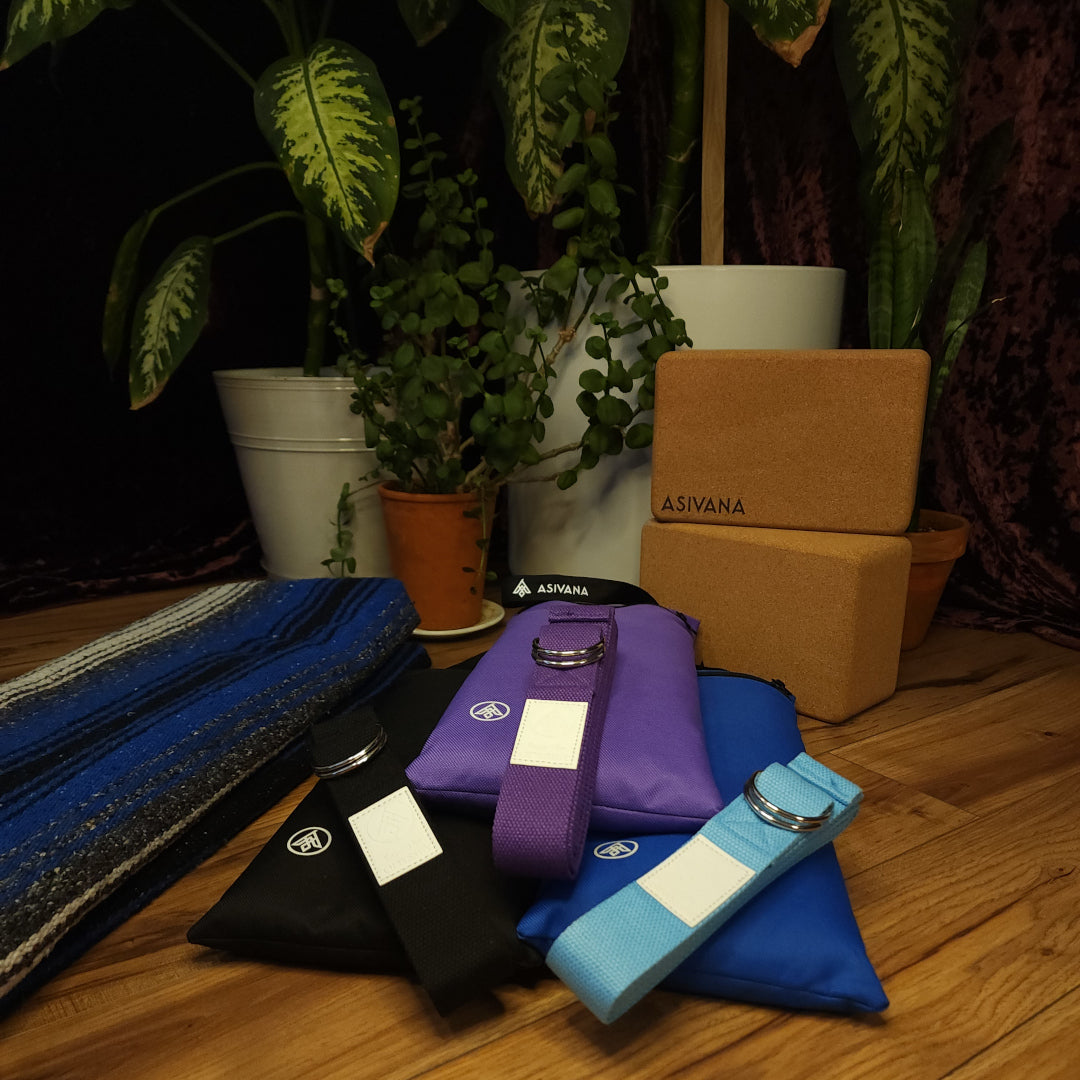
Knowing how to use a yoga bolster also means recognizing when additional support is helpful. A bolster works well alongside blankets, blocks, and straps because bodies come in many shapes and ranges of motion.
If you feel pressure in the neck, add a folded blanket beneath your head. If your knees hover in the air during reclining poses, support them with blankets or blocks. If your lower back feels compressed, adjust the height or placement of the bolster rather than trying to hold the position.
Comfort does not mean losing all sensation. You should still feel the shape of the pose, but without sharp discomfort, numbness, or the feeling that you are holding yourself up.
If you are building a home practice space, a yoga bolster is often one of the most versatile props to own because it supports restorative yoga, meditation, breathing practices, and gentle mobility work. Asivana Yoga offers yoga props as part of a thoughtful practice space, and choosing quality support can make regular practice more comfortable over time.
Common mistakes when using a yoga bolster
One common mistake is placing the bolster where it looks correct rather than where your body actually needs support. Small adjustments of just a few inches can completely change how a pose feels.
Another mistake is assuming discomfort means the pose is working. Restorative practice depends on allowing the nervous system to settle. If you are constantly shifting because something feels uncomfortable, add more support.
Holding tension in the shoulders, jaw, or hands is another sign that your setup could be improved. Before settling into a longer hold, check that your breathing remains smooth and your muscles can gradually soften.
Finally, remember that props are tools rather than shortcuts. Using support allows many practitioners to explore alignment and awareness with greater consistency.
FAQ
Can beginners use a yoga bolster?
Yes. A bolster can make many poses more comfortable and approachable while helping beginners understand supported alignment.
How long should I stay on a yoga bolster in restorative poses?
Many restorative poses are held for five to ten minutes, although shorter holds are also beneficial if that suits your practice.
Can I use a pillow instead of a yoga bolster?
A pillow can work temporarily, but it usually compresses more than a yoga bolster. A dedicated bolster provides firmer, more consistent support.
Is a yoga bolster only for restorative yoga?
No. It is also useful for meditation, seated poses, breathing exercises, gentle stretching, prenatal modifications where appropriate, and relaxation.
How do I know if my bolster is in the right position?
Your breathing should feel comfortable, your joints should feel supported, and you should be able to remain in the pose without unnecessary muscular effort. Small adjustments are often enough to improve comfort.