Yoga Blanket vs Regular Blanket
Jack UtermoehlWhen comparing yoga blanket vs regular blanket, the main difference is function. A yoga blanket is designed to fold into stable, supportive shapes that help with alignment, seated postures, restorative poses, and relaxation. A regular blanket is usually softer and made primarily for warmth, which can make it less predictable when used as a yoga prop. The best choice depends on how you plan to use it during practice.
Why the Difference Matters in Yoga Practice
Blankets are among the most versatile yoga props. Teachers use them to improve comfort, create support under the body, reduce strain, and make poses more accessible. While almost any blanket can provide warmth during final relaxation, the needs of an active practice are often different.
A yoga blanket is expected to hold its shape when folded. That stability allows you to create a consistent height beneath the hips in seated poses, cushion sensitive joints, or support the shoulders during certain postures. If the blanket compresses too easily or shifts as weight is applied, the support changes throughout the pose.
For many home practitioners, the question of yoga blanket vs regular blanket comes down to whether occasional use is enough or whether a dedicated prop will make practice easier and more consistent.

Direct Comparison of Yoga Blankets and Regular Blankets
Firmness and Support
Yoga blankets are generally denser than household blankets. When folded into rectangles or layered several times, they create a firm platform that remains relatively even under body weight.
Many regular blankets are plush or stretchy. While comfortable for sleeping or staying warm, they often compress unevenly, making them less reliable when precise support is helpful.
Shape Retention
A folded yoga blanket usually stays where it is placed. This makes it useful for building consistent support under the knees, pelvis, shoulders, or head.
Regular blankets may bunch, wrinkle, or slide more easily depending on their fabric and thickness.
Warmth
Household blankets are often designed with insulation as the primary goal. They may provide more warmth during meditation or Savasana, especially in cooler spaces.
Yoga blankets also provide warmth, although their construction often balances warmth with durability and structural support.
Versatility
A yoga blanket functions as both a blanket and a prop. It can be folded into different heights, rolled for support, or layered with other props such as bolsters and blocks.
A regular blanket works well for comfort and warmth and can substitute for some prop uses, especially when beginning a home practice.
When a Regular Blanket Works Well
You do not always need specialized equipment to practice yoga. If you already have a sturdy household blanket, it may serve many purposes.
A regular blanket can work well for:
- Staying warm during Savasana.
- Adding light cushioning beneath the knees.
- Supporting gentle meditation.
- Creating extra comfort during restorative poses when precise height is less important.
Fold the blanket carefully and test it before placing your full weight on it. If it quickly flattens or shifts, consider adjusting your setup or adding another fold.

When a Yoga Blanket Is the Better Choice
A dedicated yoga blanket becomes more valuable as your practice expands. Teachers frequently rely on blankets because they provide repeatable support from one class to the next.
A yoga blanket is especially useful when you regularly:
- Sit for meditation or pranayama and need comfortable pelvic support.
- Practice restorative yoga with longer holds.
- Need cushioning for knees, ankles, or elbows.
- Use props to adapt poses for comfort or mobility.
- Attend classes where blankets are part of the instruction.
Because the blanket keeps its folded shape more consistently, it allows small adjustments that can make seated positions feel steadier and reduce unnecessary strain.
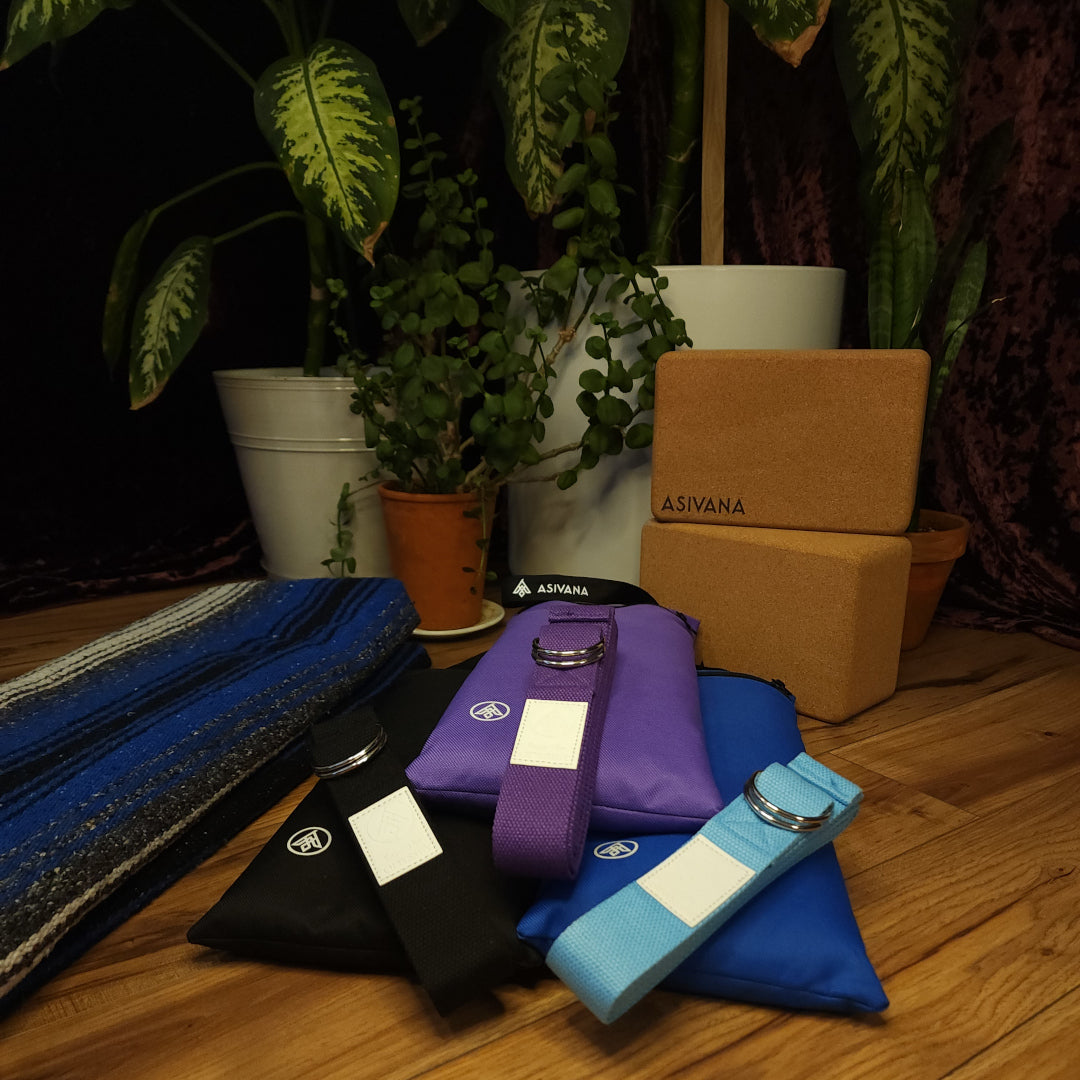
If you are building a home prop collection, a yoga blanket is often one of the most versatile additions alongside blocks, straps, and bolsters. Asivana Yoga offers yoga practice accessories that support thoughtful, adaptable practice. Choosing props that match how you actually practice is usually more valuable than collecting equipment you rarely use.
Examples of How Yoga Blankets Are Used
Supporting the Hips in Seated Poses
Sitting on one or two folded blankets can tilt the pelvis slightly forward. Many practitioners find this makes it easier to lengthen the spine comfortably during meditation or seated forward folds.
Cushioning the Knees
Placing a folded blanket beneath the knees can reduce pressure during kneeling positions such as Hero Pose or while setting up restorative postures.
Shoulder Support
Some experienced teachers use folded blankets beneath the shoulders during shoulder stand variations to create additional space around the neck. This setup should be learned with qualified instruction because blanket height and placement matter.
Restorative Yoga
Blankets combine well with bolsters and blocks. They can fill small gaps beneath the body, support the neck, soften firm props, or provide warmth during longer periods of stillness.

How to Choose Based on Your Practice
If your main goal is staying warm during relaxation, a regular blanket you already own may be all you need.
If you regularly modify poses, attend prop-based classes, or practice restorative yoga, investing in a yoga blanket can provide more dependable support. Consider how often you fold, stack, and reposition the blanket rather than focusing only on warmth.
Ask yourself a few practical questions:
- Will I use the blanket mainly for warmth or for structural support?
- Do I practice seated meditation often?
- Do I need extra cushioning for sensitive joints?
- Am I building a home practice space with versatile props?
There is no universal answer. Many practitioners keep both. A yoga blanket serves as a reliable prop throughout practice, while a softer household blanket may remain nearby for extra warmth during rest.
FAQ
Can I use a regular blanket instead of a yoga blanket?
Yes. A regular blanket works for many situations, especially Savasana, gentle support, and beginner home practice. It may be less stable when folded repeatedly for alignment support.
Why are yoga blankets folded so often?
Folding creates different heights and levels of support. Teachers adjust the blanket to fit each pose and each person's body rather than using the same setup every time.
Is a thicker blanket always better for yoga?
Not necessarily. Stability is usually more important than thickness. A blanket that holds its shape can provide more useful support than a very soft, thick blanket that compresses unevenly.
Do I need a yoga blanket if I already have yoga blocks?
Blocks and blankets serve different purposes. Blocks provide firm height, while blankets offer cushioning, adaptable support, and warmth. Many practices benefit from using both.
What should beginners choose?
If you are exploring yoga at home, begin with a sturdy blanket you already own. If you find yourself using it frequently for seated poses, restorative practice, or joint support, a dedicated yoga blanket may become a worthwhile addition.