Yoga Bolster Poses
Jack UtermoehlYoga bolster poses use a supportive cushion to reduce unnecessary effort, improve alignment, and help the body settle into rest, gentle stretching, or mindful breathing. A bolster can support the spine, hips, knees, chest, or legs so you can stay in a pose comfortably for longer. This makes yoga bolster poses especially valuable for restorative yoga, recovery days, beginners, and anyone looking for a more sustainable practice.
Why use a yoga bolster?
A yoga bolster is designed to support the body's natural shape. Rather than forcing flexibility, it brings the floor closer to you. This allows muscles to soften gradually while reducing strain on joints and connective tissues.
Bolsters are most commonly used in restorative yoga, prenatal yoga, gentle yoga, and meditation. They are also helpful after physically demanding activities or during periods when your body benefits from additional support.
The goal is not to make every pose easier. The goal is to create enough support that you can breathe naturally, notice your alignment, and remain present without unnecessary tension.

Five yoga bolster poses to practice
Supported Child's Pose
Place the bolster lengthwise between your knees. Sit your hips toward your heels and fold your torso over the bolster, turning your head to one side. Halfway through the pose, turn your head to the opposite side.
This position can reduce pressure through the neck, shoulders, and lower back while encouraging relaxed breathing into the back ribs.
Supported Reclining Bound Angle
Position the bolster lengthwise behind you and slowly recline so your spine is supported. Bring the soles of your feet together and allow your knees to open comfortably. Place blankets or blocks beneath the thighs if needed.
This pose gently opens the front of the body while providing steady support through the spine.
Supported Legs Up the Wall
Place one end of the bolster a few inches from a wall. Sit sideways, then swing your legs up while lowering your pelvis onto or just in front of the bolster. Adjust the distance until your lower back feels comfortable.
This variation can encourage relaxation after long periods of standing or sitting and provides a restful inversion for many practitioners.
Supported Seated Forward Fold
Sit with your legs extended and place the bolster across your thighs or shins depending on your flexibility. Fold forward until your torso rests comfortably on the bolster.
Supporting the upper body often allows the back muscles to soften instead of working to hold the position.
Supported Savasana
Place the bolster beneath your knees while lying on your back. Some practitioners also enjoy a folded blanket beneath the head.
Supporting the knees can reduce tension through the lower back and make final relaxation more comfortable.
How to set up each pose safely
Comfort should come before depth. If you feel pinching, numbness, or difficulty breathing, adjust the height or position of the bolster.
Take time arranging your props before settling into the pose. Small changes, such as moving the bolster a few inches or adding a folded blanket, often make a noticeable difference.
Allow your breath to remain smooth throughout the pose. If you find yourself holding tension, use more support rather than pushing further.
Making the most of your bolster with other props
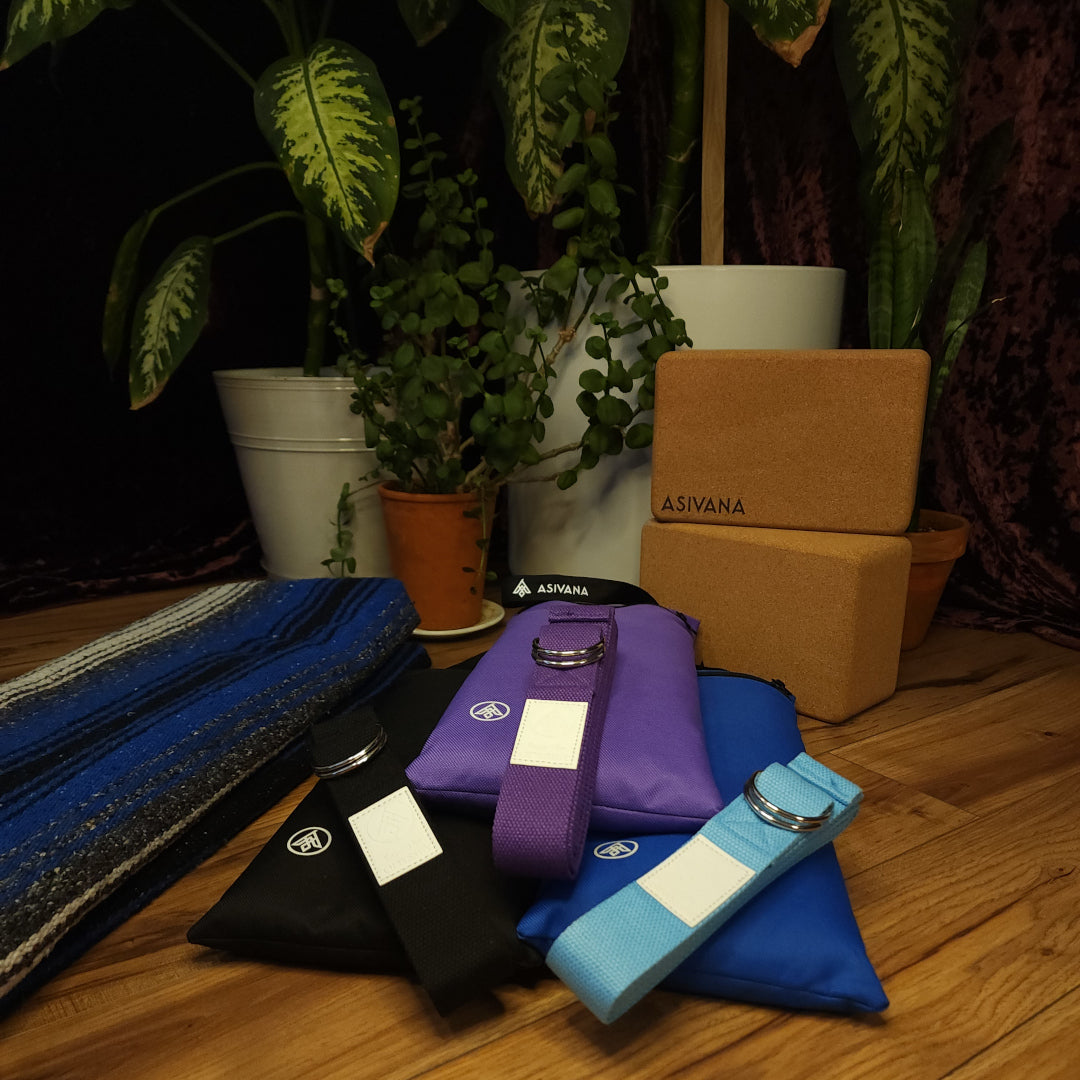
A bolster works well alongside other yoga props. Blankets can fill small gaps beneath the head, knees, or arms. Blocks can support the legs in reclining poses. A strap may help maintain gentle positioning without muscular effort.
Using several props together is common in restorative yoga because each body has different proportions and mobility. The objective is thoughtful support rather than using the fewest props possible.
If you are building a home practice, choosing quality props that suit your needs can make regular restorative sessions more inviting. Asivana Yoga offers yoga prop categories that can help create a comfortable and consistent practice space without overcomplicating your setup.

When yoga bolster poses are especially helpful
Many practitioners reach for a bolster during recovery days, evening practice, meditation preparation, or when managing general stiffness. Gentle support can also be useful for people who spend long hours sitting at a desk or standing throughout the day.
Yoga bolster poses are also appropriate when introducing someone to yoga because they reduce the need to force range of motion. Instead, the practitioner can focus on breathing, awareness, and steady positioning.
As always, adapt your practice to your individual health needs. If you have a recent injury, significant pain, or medical concerns, consult an appropriate healthcare professional before beginning a new practice.
FAQ
How long should I stay in yoga bolster poses?
Many restorative poses are held for three to ten minutes, depending on comfort and experience. Shorter holds are also beneficial.
Can beginners use a yoga bolster?
Yes. A bolster often makes poses more comfortable and easier to understand because the body has additional support.
Do I need a bolster for restorative yoga?
A dedicated bolster is helpful because it is designed for steady support. Firm blankets or cushions can work temporarily if a bolster is unavailable.
Which yoga bolster pose is best for relaxation?
Supported child's pose, supported reclining bound angle, and supported savasana are all excellent choices for quiet, restful practice.
Final thoughts
Yoga bolster poses remind us that support is part of skillful practice. A well placed prop allows the body to release unnecessary effort while giving the breath room to settle. Whether you are practicing restorative yoga, easing into movement, or simply creating space to rest, a bolster can become one of the most versatile tools in your practice.