What is a Yoga Sandbag
Jack UtermoehlA yoga sandbag is a weighted yoga prop used to provide gentle, steady pressure during poses, restorative practice, breathing exercises, and relaxation. The added weight can encourage muscles to soften, improve body awareness, and help stabilize certain postures without requiring force. Used thoughtfully, a yoga sandbag supports comfort, alignment, and a more grounded experience across many styles of yoga, especially restorative and therapeutic-inspired practices.

What Is a Yoga Sandbag?
A yoga sandbag is a fabric bag filled with sand or another dense material that creates consistent weight. Unlike a free weight or exercise sandbag, its purpose is not strength training. Instead, it delivers broad, even pressure that can help the body settle into a pose.
Yoga teachers often use sandbags during restorative yoga, gentle classes, breathing practices, and relaxation. Depending on the pose, the sandbag may rest across the thighs, pelvis, feet, hands, or shoulders. Placement matters because the goal is to support the body rather than create strain.
How a Yoga Sandbag Is Used in Practice
Supporting restorative poses
One of the most common uses for a yoga sandbag is restorative yoga. In long-held supported poses, gentle weight can encourage unnecessary muscular effort to release naturally. For example, placing a sandbag across the front of the thighs in Reclining Bound Angle Pose may help the legs feel more settled when the knees are supported by blocks or bolsters.
Improving body awareness
Weight provides feedback. When a sandbag rests across the pelvis during relaxation, many students become more aware of their breathing and the movement of the diaphragm. A light weight on the hands or feet can also increase awareness of where the body is in space.
Adding stability
Some seated or standing postures benefit from additional grounding. A sandbag can help stabilize the feet in certain stretches or encourage a steady foundation in supported positions. The weight should always feel manageable and should never create discomfort or compression.
Encouraging relaxation
Many practitioners appreciate the calming sensation of gentle pressure during Savasana. While experiences vary, the feeling of steady contact can make it easier to remain still and attentive during final relaxation.

Common Yoga Sandbag Placements
Safe placement depends on the pose, the student's mobility, and any health considerations. Common examples include:
- Across the thighs in supported hip opening poses.
- On the pelvis during relaxation when appropriate and comfortable.
- Across the feet to encourage grounding in seated forward folds.
- On the hands during supported stretches to provide gentle feedback.
- Across the shoulders in selected restorative setups under the guidance of an experienced teacher.
Avoid placing excessive weight on joints, the neck, the abdomen during pregnancy, or anywhere that causes pain, numbness, or restricted breathing. If uncertainty exists, use less weight or skip the sandbag altogether.
How to Choose a Yoga Sandbag
The right yoga sandbag depends on how you plan to use it. Rather than focusing on one universal choice, consider a few practical factors.
Weight
Lighter options generally suit breathing exercises, hands, and feet. Heavier options may be appropriate for larger muscle groups during restorative practice. Many practitioners eventually find value in having more than one weight available for different applications.
Shape
A rectangular design often distributes weight evenly across the body. Flexible construction allows the filling to settle naturally over the area being supported.
Cover and durability
A sturdy outer fabric helps the sandbag withstand repeated studio or home use. A removable, washable cover can simplify regular cleaning, especially in shared practice spaces.
Purpose
If you are building a restorative yoga space, think about how the sandbag will work alongside bolsters, blankets, blocks, and straps. These props often complement one another, with each serving a different role in creating comfort and support.
Asivana Yoga offers yoga props designed to support thoughtful practice. If you are selecting props for a home space, consider your overall practice needs so each piece serves a meaningful purpose.
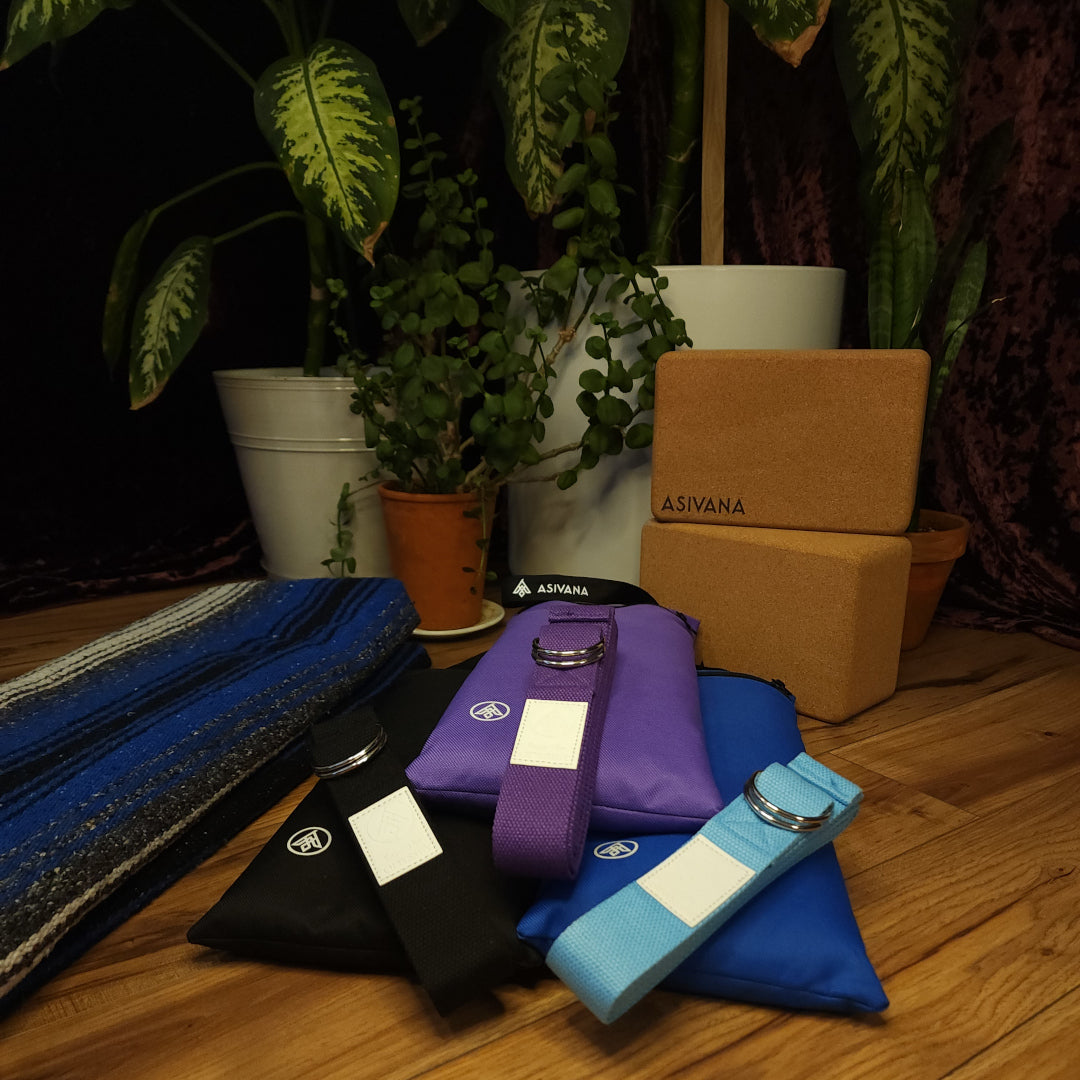
The Asivana Yoga Sandbag ships unfilled and has a nylon canvas exterior with an inner zippered liner. You can add sand, rice, or grain up to its 10 lb capacity, or use less filling. The stated capacity is not the weight of the empty bag or a recommended weight for every pose.
Practicing Safely with a Yoga Sandbag
A yoga sandbag works best when its weight feels supportive rather than demanding. Start conservatively and pay attention to your body's response.
Some helpful guidelines include:
- Use the lightest weight that achieves the intended effect.
- Keep breathing smooth and unrestricted.
- Remove the sandbag immediately if discomfort develops.
- Ask a qualified yoga teacher about placement if you are new to restorative practice.
- Consider individual medical conditions before using weighted pressure.
Students recovering from injuries, living with chronic pain, or managing specific medical concerns should consult an appropriate healthcare professional and an experienced yoga teacher before incorporating weighted props into practice.

Building a Restorative Practice with Props
A yoga sandbag rarely works alone. Restorative yoga often combines several props to reduce unnecessary muscular effort and create sustainable support during longer holds.
A bolster may support the spine or legs, blankets add warmth and fine adjustments, blocks bring the floor closer, and straps reduce reaching effort. The sandbag then provides gentle grounding where appropriate. Together these props allow many practitioners to remain comfortable while focusing on breath and mindful awareness instead of muscular work.
If you are gradually building a home practice space, there is no need to purchase everything at once. Choose the props that support the styles of yoga you practice most often, adding others as your needs become clearer.
FAQ
What is a yoga sandbag used for?
A yoga sandbag provides gentle weight during restorative poses, relaxation, breathing practices, and selected stretches to encourage stability, body awareness, and comfort.
How heavy should a yoga sandbag be?
The ideal weight depends on its intended use and the individual practitioner. Lighter weights suit smaller body areas, while larger muscle groups may comfortably support more weight.
Can beginners use a yoga sandbag?
Yes. Beginners can safely use a yoga sandbag when placement is appropriate and the weight is modest. Guidance from a knowledgeable teacher can be helpful during the first few sessions.
Is a yoga sandbag only for restorative yoga?
No. Although restorative yoga is the most common setting, sandbags may also be used in breathing exercises, gentle mobility work, and selected alignment-focused practices.
Can I substitute household items for a yoga sandbag?
A securely filled fabric bag can sometimes provide similar weight, but purpose-built yoga sandbags usually distribute weight more evenly and are designed for repeated practice.