Kumbha Mela: Meaning and Definition
Jack UtermoehlShare
Kumbha Mela (pitcher festival; gathering of the sacred pitcher)
- Devanagari: कुम्भ मेला
- IAST: Kumbha Melā
- Pronunciation: KUM-bhuh MAY-laa. The u is short, close to the vowel in put. Pronounce bh as an aspirated b, releasing a small breath of air after the consonant. The final a in Kumbha is lightly pronounced, while the final aa sound in Mela is long.
- Alternate spellings: Kumbh Mela, Kumbhamela, Kumbha-mela
Definition
Kumbha Mela means “pitcher festival” or “gathering of the sacred pitcher.” It is a major Hindu pilgrimage festival centered on ritual bathing in sacred rivers at Prayagraj, Haridwar, Nashik, and Ujjain. In yoga, Kumbha Mela refers to a pilgrimage setting where sadhus, teachers, devotees, and householders gather for bathing, worship, spiritual teachings, devotional practices, austerity, and service. The name is connected with the kumbha, a pitcher associated in festival tradition with amrita, the nectar of immortality.
Kumbha Mela names a living pilgrimage tradition rather than an asana, breathing technique, or philosophical category. Its relevance to Yoga comes through Sadhana, renunciation, devotion, sacred geography, teacher-student traditions, and the large communities of practitioners who assemble during the festival.
What Does Kumbha Mela Literally Mean?
Kumbha means a pot, pitcher, jar, or water vessel. Sanskrit dictionaries also record kumbha as the name of the zodiac sign Aquarius. Mela means a meeting, assembly, gathering, or fair. Together, Kumbha Mela can be translated as “pitcher festival,” “pitcher gathering,” or “assembly associated with the sacred pitcher.”
The familiar English spelling Kumbh Mela reflects modern Hindi usage, in which the final vowel of Sanskrit kumbha is usually unpronounced. Kumbha Mela preserves the fuller Sanskrit form. The Sanskritized compound may also be written as one word, Kumbhamela.
What Happens at Kumbha Mela?
Kumbha Mela is centered on pilgrimage to sacred river sites and bathing on ritually significant dates. Pilgrims understand the bath as an act of purification, the release of harmful karma or sin, and preparation for spiritual liberation. These meanings belong to Hindu devotional belief and may be interpreted differently among communities and individual practitioners.
The festival also creates a temporary religious community. Sadhus and monastic organizations establish camps, teachers give discourses, devotees perform Puja and chant sacred names, and volunteers provide food and other forms of Seva. Meditation, yoga instruction, kirtan, ritual processions, vows, austerities, and opportunities to receive darshan or teachings may all form part of the larger gathering.
Renunciant orders known as akharas have a prominent ceremonial role. Their processions and collective bathing are among the festival's most visible events, although the lived tradition extends far beyond the public spectacle of these processions.
- Sacred bathing in a river or river confluence
- Puja, aarti, mantra recitation, and devotional singing
- Teachings and religious discourse
- Darshan of respected teachers and renunciants
- Vows, fasting, meditation, and other forms of sadhana
- Seva through food distribution, hospitality, sanitation, and pilgrim support
Where and When Is Kumbha Mela Held?
Kumbha Mela is associated with four Indian pilgrimage centers: Prayagraj, Haridwar, Nashik, and Ujjain. Prayagraj is located at the confluence of the Ganga and Yamuna, together with the traditionally recognized presence of the Sarasvati. Haridwar is on the Ganga, Nashik is associated with the Godavari, and Ujjain with the Kshipra.
The festivals follow site-specific calendrical and astrological calculations involving the sun, moon, Jupiter, and the Hindu lunisolar calendar. The four sites host major gatherings in a rotating pattern spanning approximately twelve years, so a Kumbha Mela occurs somewhere in India every few years. Each site generally receives a major Kumbha observance at roughly twelve-year intervals.
Terms such as Ardha Kumbha, Purna Kumbha, Maha Kumbha, and Simhastha are used in particular locations and periods. Their use has not remained completely uniform across historical sources, local traditions, and modern festival administration. Teachers should avoid presenting one simplified schedule as though it applies identically to all four sites.
- Prayagraj: the confluence of the Ganga and Yamuna, with the traditionally understood Sarasvati
- Haridwar: the Ganga
- Nashik and nearby Trimbakeshwar: the Godavari
- Ujjain: the Kshipra
The Sacred Pitcher and the Nectar of Immortality
Festival tradition connects Kumbha Mela with the story of the churning of the cosmic ocean, commonly called Samudra Manthana. In this account, devas and asuras churn the ocean and obtain Amrita, the nectar of immortality, contained in a vessel. Later Kumbha Mela traditions relate the four festival sites to drops of amrita spilled from this vessel.
The kumbha therefore carries more than its everyday meaning of a water pot. In the festival's devotional symbolism, it can represent sacred abundance, life-giving water, immortality, and the human capacity to receive divine grace. The rivers become places where the myth is encountered through pilgrimage and embodied ritual.
The broad churning-of-the-ocean narrative appears in established Hindu textual traditions. The detailed claim that drops of amrita fell at the four modern Kumbha Mela sites belongs to the festival's received sacred history. Historical scholarship treats the development and dating of this specific four-site connection with greater caution.
How Kumbha Mela Relates to Yoga
In yoga, Kumbha Mela is relevant as a setting for living spiritual practice. Renunciants, householders, teachers, devotional communities, and lineages gather in one place, making the festival an important meeting ground for teachings, initiations, vows, and public expressions of sadhana.
Many activities seen at Kumbha Mela fall within the wider world of yoga without being limited to modern posture practice. Meditation, pranayama, mantra, tapas, Bhakti, seva, study, ritual, and periods of disciplined retreat may all be present. Some pilgrims undertake kalpavasa, a period of simplified living and religious observance near the sacred waters, especially at Prayagraj.
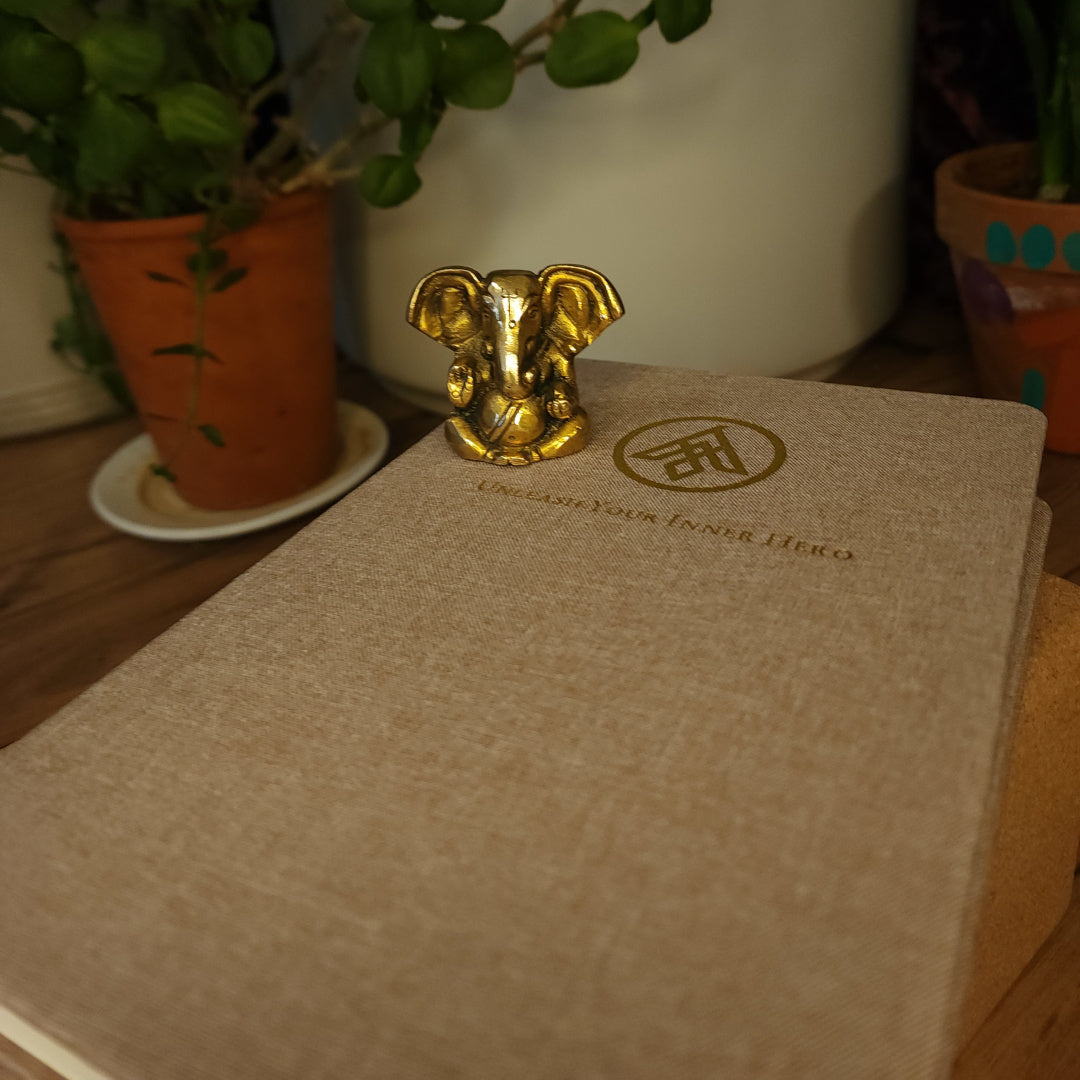
The word kumbha also appears in Kumbhaka, the yogic practice of breath retention, but the terms should not be confused. Kumbha Mela names the pilgrimage festival. Kumbhaka names a breathing practice whose imagery compares the held breath or torso to a filled vessel.
Historical Context and Claims of Antiquity
Sacred bathing, pilgrimage to river confluences, and religious fairs in India have long histories. The ancient status of these broader practices does not establish that every feature of the present four-site Kumbha Mela system existed in the same form from antiquity.
Historian Kama Maclean's study of the Prayagraj festival documents substantial development from the eighteenth century onward and examines the effects of colonial administration, print culture, and Indian nationalism. Her work also cautions against automatically identifying every early description of a gathering at Prayagraj as the same institution now called Kumbha Mela.
A respectful explanation can distinguish sacred history from documentary history. Devotional communities understand the festival through myth, lineage, pilgrimage, and ritual continuity. Historians ask when particular names, schedules, institutions, and origin accounts become visible in surviving records. These approaches address different questions and should be identified clearly when teaching the term.
Kumbha Mela as Living Cultural Heritage
UNESCO inscribed Kumbh Mela on the Representative List of the Intangible Cultural Heritage of Humanity in 2017. The recognition describes a living tradition transmitted through religious organizations, teacher-student relationships, oral traditions, historical accounts, and participation in the pilgrimage itself.
The festival brings together people from varied regions, languages, social backgrounds, and religious communities. Its continuity depends on both spiritual transmission and extensive practical knowledge, including temporary settlement, food service, sanitation, transportation, public safety, and care for immense numbers of pilgrims.
For yoga teachers, Kumbha Mela offers an example of yoga's wider religious and cultural environment in India. When discussing the festival, it is helpful to center the beliefs and practices of participants rather than presenting the gathering primarily as an exotic spectacle or a large-scale wellness event.
Related Sanskrit Terms
- Amrita (Nectar of Immortality)
- Bhakti
- Ganga (Sacred Ganges River)
- Guru-Shishya Parampara
- Moksha
- Puja (Devotional Worship)
- Sadhana
- Sadhu (Holy Person)
- Seva
- Tirtha
- Yamuna
- Yoga (Spiritual Discipline)