Best Yoga Mat for Sweaty Hands
Jack UtermoehlThe best yoga mat for sweaty hands is one that maintains reliable traction as moisture builds during practice. Mats with moisture-responsive surfaces, supportive cushioning, and a stable base generally provide better grip than smooth foam mats that become slippery. Your practice style, the amount you perspire, and how you care for your mat all influence how secure your hands will feel during poses such as Downward Facing Dog, Plank, and Arm Balances.
Why sweaty hands affect your grip
Many students assume slipping is only caused by sweat. In reality, grip depends on the interaction between your skin, the mat surface, pressure through your hands, and the amount of moisture present. A completely dry hand and a very smooth mat can sometimes feel just as unstable as a soaked surface.
As sweat increases, some materials become slick while others create more friction. This is why two mats that feel similar during the first few minutes of class may perform very differently after twenty minutes of movement.
If your hands slide forward in Downward Facing Dog or your palms shift during transitions, the mat surface is often a larger factor than your strength or technique.

What to look for in the best yoga mat for sweaty hands
Moisture-responsive grip
Many practitioners with sweaty hands prefer mat surfaces that improve traction with light moisture. These surfaces are commonly used for heated yoga and dynamic practices where perspiration is expected.
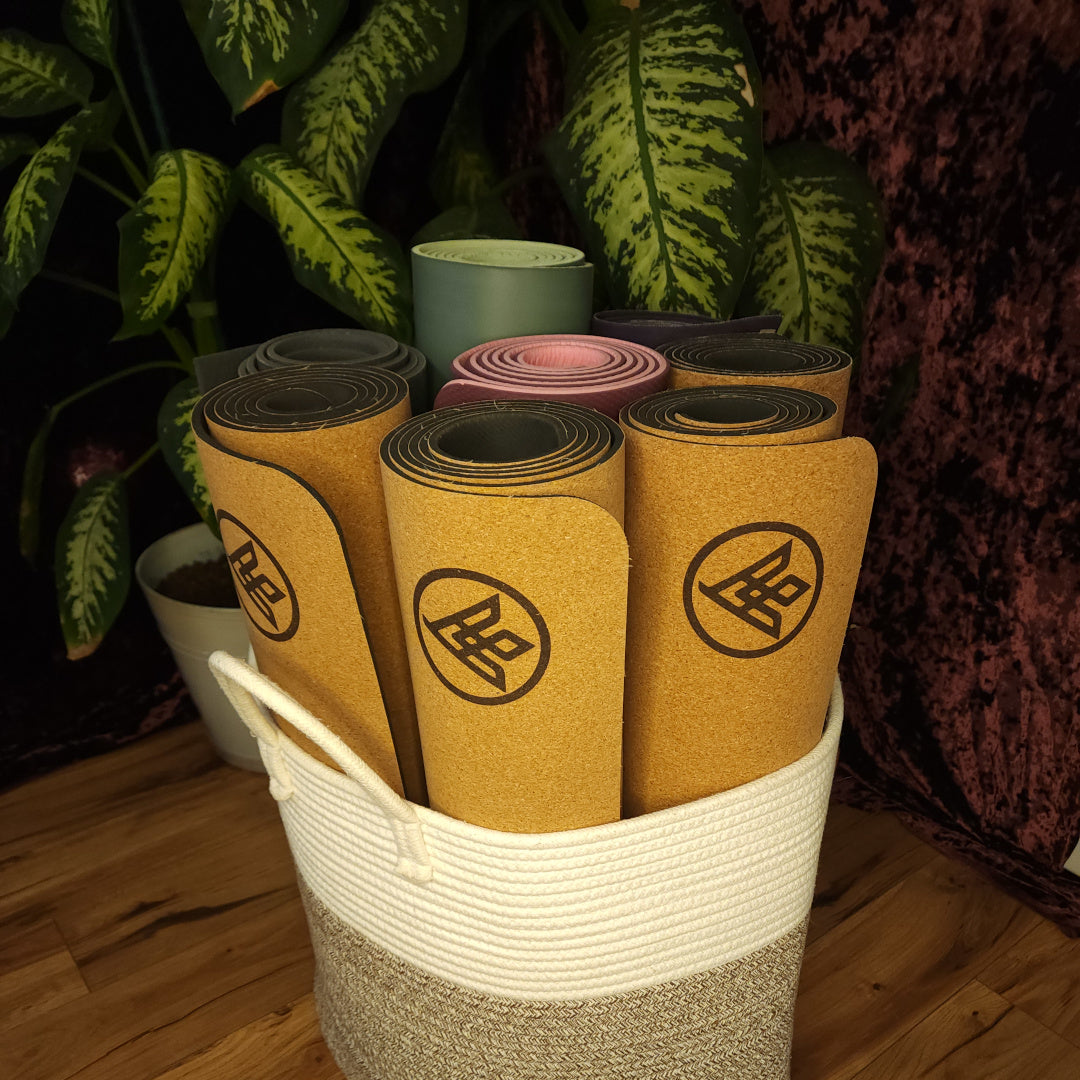
For a cork option, the Asivana Cork Yoga Mat pairs moisture-activated cork grip with a natural rubber base and 5mm cushioning. Consider how much you sweat and whether you also need a towel for your practice.
Surface texture
A lightly textured surface gives your hands more contact points than a glossy finish. Texture can improve confidence without feeling rough against the skin.
Stable foundation
A mat should stay flat on the floor without bunching or shifting. Stability allows you to distribute weight evenly through your hands and reduces unnecessary movement during standing and balancing poses.
Appropriate cushioning
Very soft mats may compress under the hands, making balancing poses feel less predictable. Moderate cushioning often provides a comfortable balance between joint support and stability.
Common yoga mat materials and how they perform
Different materials respond to moisture in different ways.
Natural rubber
Natural rubber is widely appreciated for its grip and stability. Many rubber-based mats provide dependable traction during active practice, although people with latex allergies should avoid natural rubber products.
Polyurethane-coated surfaces
Some premium yoga mats use a polyurethane top layer over a rubber base. These surfaces often become grippier with light perspiration, making them a popular option for students who experience sweaty hands.
TPE foam
TPE mats are generally lightweight and comfortable. Grip varies by manufacturer, so some models perform better than others when moisture is present.
PVC
PVC mats can offer durability, but surface grip depends on the finish. Some become slippery when wet, while textured versions perform better.
Reading product specifications and reviews that discuss real practice conditions is often more useful than focusing on material alone.

Matching your mat to your style of practice
Your yoga practice influences which features deserve the most attention.
For hot yoga or heated studios, moisture-responsive grip should be a priority because perspiration is expected throughout class.
For Vinyasa, a secure surface helps with repeated transitions between standing poses, Plank, Chaturanga, and Downward Facing Dog.
For slower Hatha classes, comfort and stability may matter more than maximum grip if you perspire only lightly.
If you practice at home in a warm room or outdoors, humidity can also affect performance. Testing your mat under the conditions where you normally practice gives the clearest picture of how it will feel.
Simple ways to improve grip without replacing your mat
If your current mat is still in good condition, there are several practical steps to improve traction before buying a new one.
- Clean the mat regularly to remove body oils, lotions, and dirt that reduce grip.
- Wash and dry your hands before practice when possible.
- Keep a small towel nearby to wipe excess sweat during class.
- Consider using a yoga towel designed to sit securely on top of the mat during hot or high-sweat sessions.
- Build awareness of how you distribute weight through your hands instead of collapsing into the heels of the palms.
Technique also matters. Spreading your fingers, pressing evenly through the entire hand, and engaging the muscles of the arms and shoulders creates a more stable connection with the floor.
When accessories make sense
The best yoga mat for sweaty hands may still benefit from a few supportive accessories depending on your practice environment.
A yoga towel is particularly useful for heated classes where even high-grip mats eventually become saturated. Towels designed for yoga typically stay in place better than standard bath towels and can provide additional traction as they absorb moisture.
If you practice at home, keeping a dedicated cleaning spray and cloth nearby encourages regular mat care, which helps preserve grip over time.
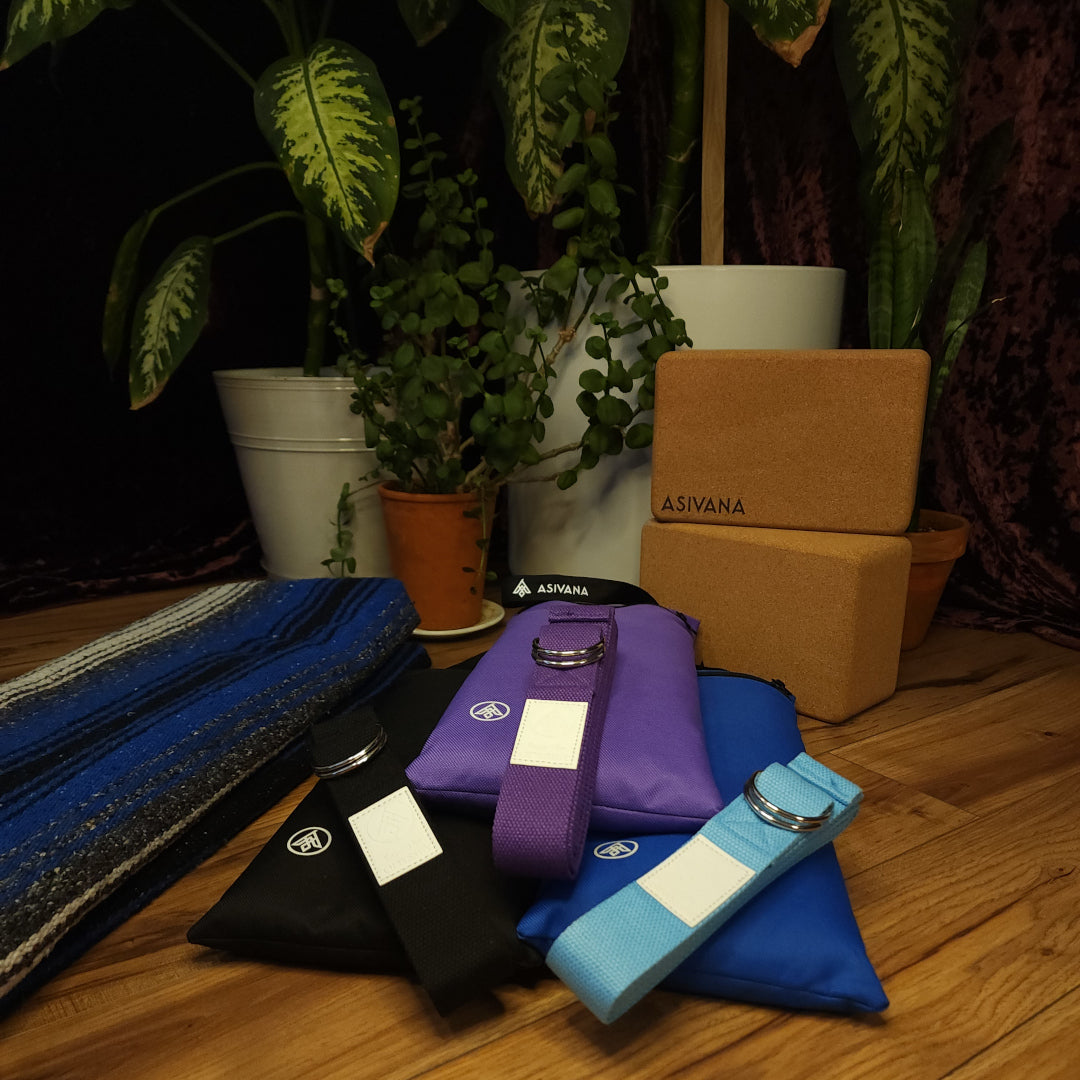
Asivana Yoga offers yoga accessories and practice essentials that can support a consistent routine. When choosing accessories, focus on how they solve a practical need rather than collecting equipment you are unlikely to use.

FAQ
What is the best yoga mat for sweaty hands during hot yoga?
Mats with moisture-responsive surfaces are often preferred because grip improves as light perspiration develops. Many practitioners also use a yoga towel for very sweaty sessions.
Why do my hands still slip on an expensive yoga mat?
Body oils, cleaning products, worn surfaces, or uneven hand pressure can all affect traction. Regular cleaning and good hand placement are just as important as the mat itself.
Should I use a yoga towel instead of buying a new mat?
If your mat is otherwise supportive and in good condition, a yoga towel may solve the problem during high-sweat practices. If the mat remains slippery in normal classes, replacing it may be worthwhile.
How often should I clean my yoga mat?
Wipe the mat after sweaty sessions and clean it more thoroughly according to the manufacturer's care instructions. Regular cleaning helps maintain grip and extends the mat's useful life.
Can beginners benefit from a high-grip mat?
Yes. A stable surface can make learning foundational poses more comfortable because you spend less attention managing slipping and more attention developing balanced alignment.
Choosing the best yoga mat for sweaty hands comes down to understanding how your body interacts with the mat during practice. A surface that provides dependable traction, regular cleaning, and thoughtful use of accessories can make your practice feel steadier without adding unnecessary complexity.