Cork Yoga Mat vs TPE Yoga Mat
Jack UtermoehlWhen comparing cork yoga mat vs TPE yoga mat, the better choice depends on your practice style, comfort preferences, and priorities for maintenance and materials. Cork mats often provide increasing grip as moisture builds and have a firm natural feel, while TPE mats are typically lighter, softer underfoot, and easy to carry. Understanding these practical differences will help you choose a mat that supports your practice over time.
Understanding the Difference Between Cork and TPE
Both cork and TPE are popular yoga mat materials, but they create a different experience from the moment you step onto the mat.
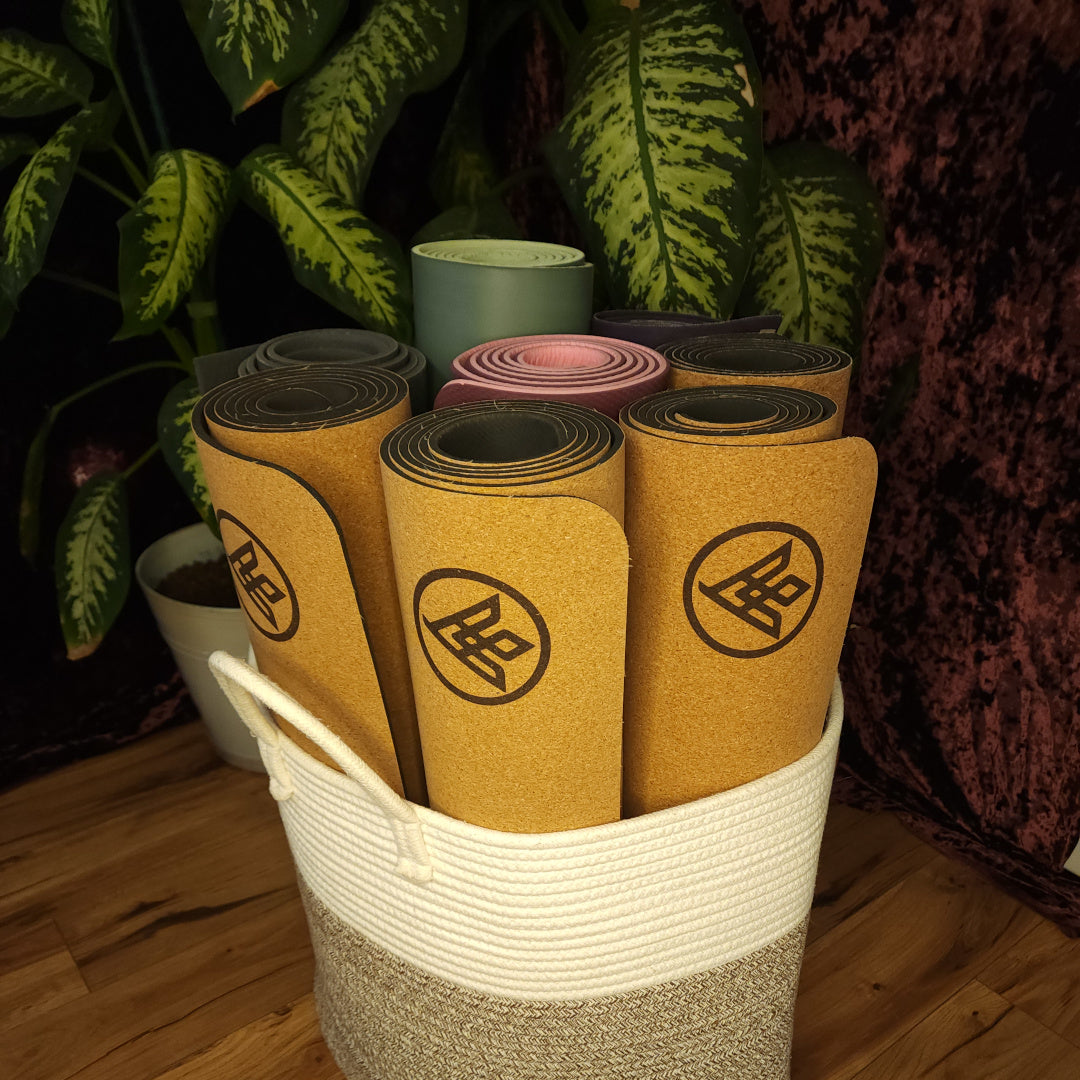
A cork yoga mat usually combines a natural cork surface with a supportive base made from another material. The cork provides a distinctive texture that many practitioners appreciate during steady or moderately sweaty practice.
TPE stands for thermoplastic elastomer. Mats made from TPE are lightweight, flexible, and cushioned. They are commonly chosen by practitioners who want a comfortable surface that is easy to transport between home and the studio.
Neither material is universally better. Each has strengths that suit different bodies, environments, and practice styles.

The Asivana Cork Yoga Mat is an example of a cork-surface mat with a natural rubber base. It measures 72 × 24 inches and is 5mm thick, so compare the complete construction as well as the surface material when weighing it against a TPE option.
Direct Comparison: Cork Yoga Mat vs TPE Yoga Mat
Grip During Practice
Grip is one of the biggest reasons people compare cork yoga mat vs TPE yoga mat.
Cork often becomes grippier with a small amount of moisture. For practitioners whose hands naturally perspire, this can create a secure feeling during standing poses and transitions.
TPE generally offers consistent dry grip with a soft textured surface. During very sweaty practices, grip can vary depending on the specific mat design and surface pattern.
Comfort and Cushioning
TPE usually feels softer under the knees, wrists, and hips because of its cushioning. This can be helpful for gentle yoga, beginners, or anyone seeking additional comfort on hard floors.
Cork surfaces tend to feel firmer. Many practitioners enjoy this because it provides stable feedback for balance and standing postures. If extra cushioning is needed, adding a folded blanket beneath sensitive joints can be a practical solution.
Weight and Portability
TPE mats are often lighter than cork mats, making them convenient for commuting to classes or traveling.
Cork mats may weigh more depending on their construction. For home practice, this added weight is rarely a disadvantage and can help the mat stay in place on the floor.
Surface Feel
Cork has a natural texture that feels warm and organic under the hands and feet. TPE has a smooth, resilient feel that compresses more noticeably when weight is applied.
Your personal preference plays an important role here. Some practitioners enjoy the grounded sensation of cork, while others appreciate the softer feel of TPE.
Durability and Everyday Maintenance
A yoga mat is used repeatedly under body weight, friction, and exposure to moisture. Caring for it consistently helps extend its useful life.
Cork surfaces are generally simple to wipe clean after practice. Allowing the mat to dry completely before rolling it helps maintain its condition. Avoid storing any mat while damp.
TPE mats also benefit from regular cleaning with a gentle mat-safe cleaner or a lightly damp cloth. Harsh chemicals or excessive heat may shorten the life of many synthetic materials.
Storage matters for both options. Rolling the mat loosely and keeping it away from prolonged direct sunlight and high temperatures helps preserve the material.
Which Material Fits Different Practice Styles?
Your preferred style of yoga often provides the clearest answer.
Gentle Yoga and Restorative Practice
If comfort is your highest priority, TPE's softer cushioning may feel more supportive during longer floor-based poses.
Vinyasa and Flow Classes
Practitioners who build body heat often appreciate the changing grip characteristics of cork as moisture develops throughout practice.
Balance Focused Practice
The firmer surface of cork can provide clear sensory feedback that some practitioners find helpful during standing balances and transitions.
Home and Studio Use
For a permanent home practice space, either material works well. If you regularly carry your mat across town, the lighter weight of many TPE mats may become an important consideration.

Choosing Based on Your Priorities
Instead of searching for the single best material, consider the conditions in which you actually practice.
- Choose cork if you value a firm natural-feeling surface, appreciate grip that performs well with light moisture, and prefer a grounded practice experience.
- Choose TPE if lightweight portability, softer cushioning, and everyday carrying convenience matter most.
- If joint comfort is a primary concern, pay attention to overall mat thickness in addition to material.
- If you practice several times each week, think about cleaning habits and where the mat will be stored between sessions.
At Asivana Yoga, we encourage selecting equipment that supports consistent practice rather than chasing trends. A mat should help you return to practice comfortably and confidently, regardless of your experience level.
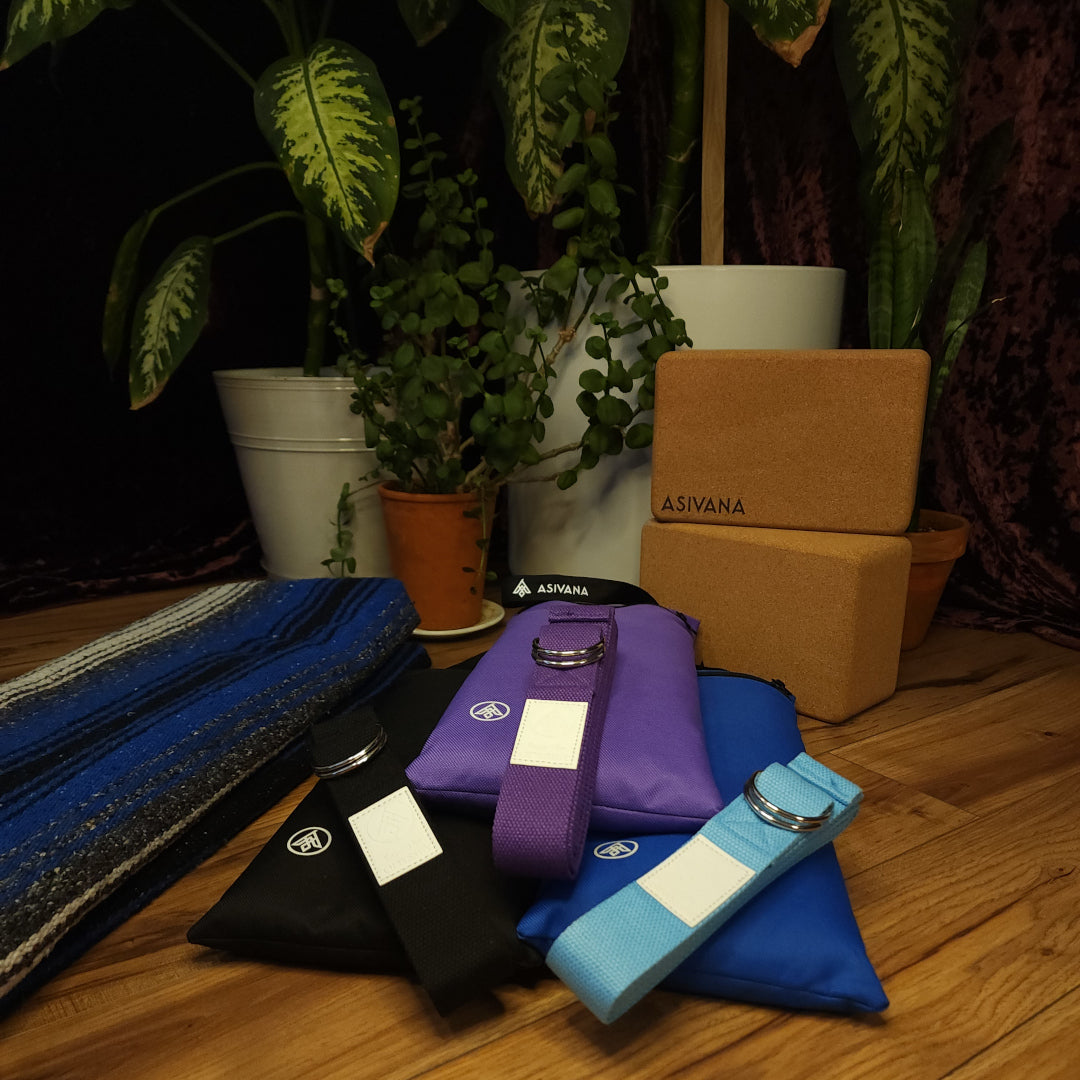
If you are also building a home practice space, simple accessories such as yoga blocks, straps, or folded blankets can complement either type of mat without requiring you to change your preferred surface.
FAQ: Cork Yoga Mat vs TPE Yoga Mat
Is a cork yoga mat better than a TPE yoga mat?
It depends on your priorities. Cork often appeals to practitioners seeking a firm surface with grip that responds well to light moisture. TPE is commonly preferred for its lighter weight and softer cushioning.
Which mat is easier to carry?
Many TPE mats are lighter than cork mats, making them easier to transport to classes or while traveling.
Which material is more comfortable for sensitive knees?
TPE generally provides more cushioning. If you prefer cork but need additional comfort, placing a folded blanket beneath the knees can help during specific poses.
How should I clean cork and TPE yoga mats?
Wipe the surface with a soft damp cloth or a mat-safe cleaner when appropriate, allow the mat to dry fully, and store it rolled in a cool, dry place.
Can beginners use either material?
Yes. Beginners can practice successfully on either cork or TPE. The better choice depends more on comfort, portability, and preferred surface feel than on experience level.