Non Slip Yoga Mat
Jack UtermoehlA non slip yoga mat is designed to provide dependable traction between your hands, feet, and the mat surface so you can practice with greater stability. The right mat depends on your practice style, how much you sweat, the surfaces where you practice, and your personal preferences. Understanding what creates grip, how to maintain it, and what tradeoffs exist will help you choose a mat that supports consistent movement and confidence.
What makes a yoga mat non slip?
Grip comes from a combination of the mat's surface texture and the material used to make it. Some mats rely on a textured finish that creates friction against the skin, while others develop better traction as moisture is introduced during practice. Neither approach is universally better. The right choice depends on how and where you practice.
A quality non slip yoga mat should help reduce unwanted movement during standing poses, transitions, and weight-bearing postures. Even with a high-grip mat, proper alignment and balanced weight distribution remain important. Grip supports good movement, but it does not replace sound technique.

How different practice styles affect your choice
Gentle and restorative yoga
If your practice includes slower movement, longer holds, or restorative poses, extreme grip is usually unnecessary. A comfortable surface with reliable traction is often enough. Stability matters more than aggressive surface friction.
Vinyasa and power yoga
Frequent transitions place greater demands on your mat. Consistent traction can help during plank, downward facing dog, lunges, and standing balances. If your classes involve continuous movement, choosing a mat known for dependable grip can improve comfort and reduce distractions.
Hot yoga
Sweat changes how every mat performs. Some materials become more secure with moisture, while others become slippery. Many practitioners also use a yoga towel over the mat during heated classes to manage perspiration while preserving traction.
Materials and surface textures
Different materials offer different experiences. Natural rubber is commonly chosen for its grip, although it may not be appropriate for people with latex sensitivities. Polyurethane-coated surfaces are often selected for their ability to maintain traction, especially when hands become damp. PVC mats vary widely in texture and performance depending on their construction. Thermoplastic elastomer, often called TPE, can provide a lighter-weight option with moderate grip.
Surface texture also plays an important role. A finely textured surface may feel smooth while still providing friction. More pronounced patterns can create mechanical grip, especially for dry hands and feet. There is no single best texture. Comfort, skin sensitivity, and practice style all influence the right choice.

Signs a mat provides dependable traction
When comparing options, consider how the mat performs in real practice rather than relying only on marketing descriptions. Look for consistent hand placement in downward facing dog, secure footing in warrior poses, and predictable movement during transitions.
Questions worth asking include:
- Does the surface maintain grip throughout a full practice?
- Will the mat slide across the floor?
- How does it perform with dry or sweaty hands?
- Is the surface comfortable during kneeling and seated poses?
- Can it be cleaned without damaging the finish?
These practical considerations usually matter more than product claims alone.
Caring for a non slip yoga mat
Even an excellent mat loses performance if dirt, body oils, and sweat build up on the surface. Regular cleaning helps preserve traction and extends the life of the mat.
After practice, wipe the surface with a damp cloth or use a cleaner recommended for the specific material. Allow the mat to dry fully before rolling it up. Avoid storing it while wet, as trapped moisture can affect both cleanliness and performance.
Keep the mat away from prolonged direct sunlight and excessive heat unless the manufacturer specifically advises otherwise. Different materials respond differently to environmental conditions, so following care instructions helps maintain the intended surface.

Choosing the right option for your needs
Your ideal mat depends on your actual practice rather than a general ranking. Someone attending heated classes several times each week has different priorities than someone practicing gentle yoga at home.
Consider where you practice most often, how frequently you practice, whether your hands and feet tend to perspire, and whether you value portability or extra cushioning. These questions narrow your options more effectively than choosing based on appearance alone.
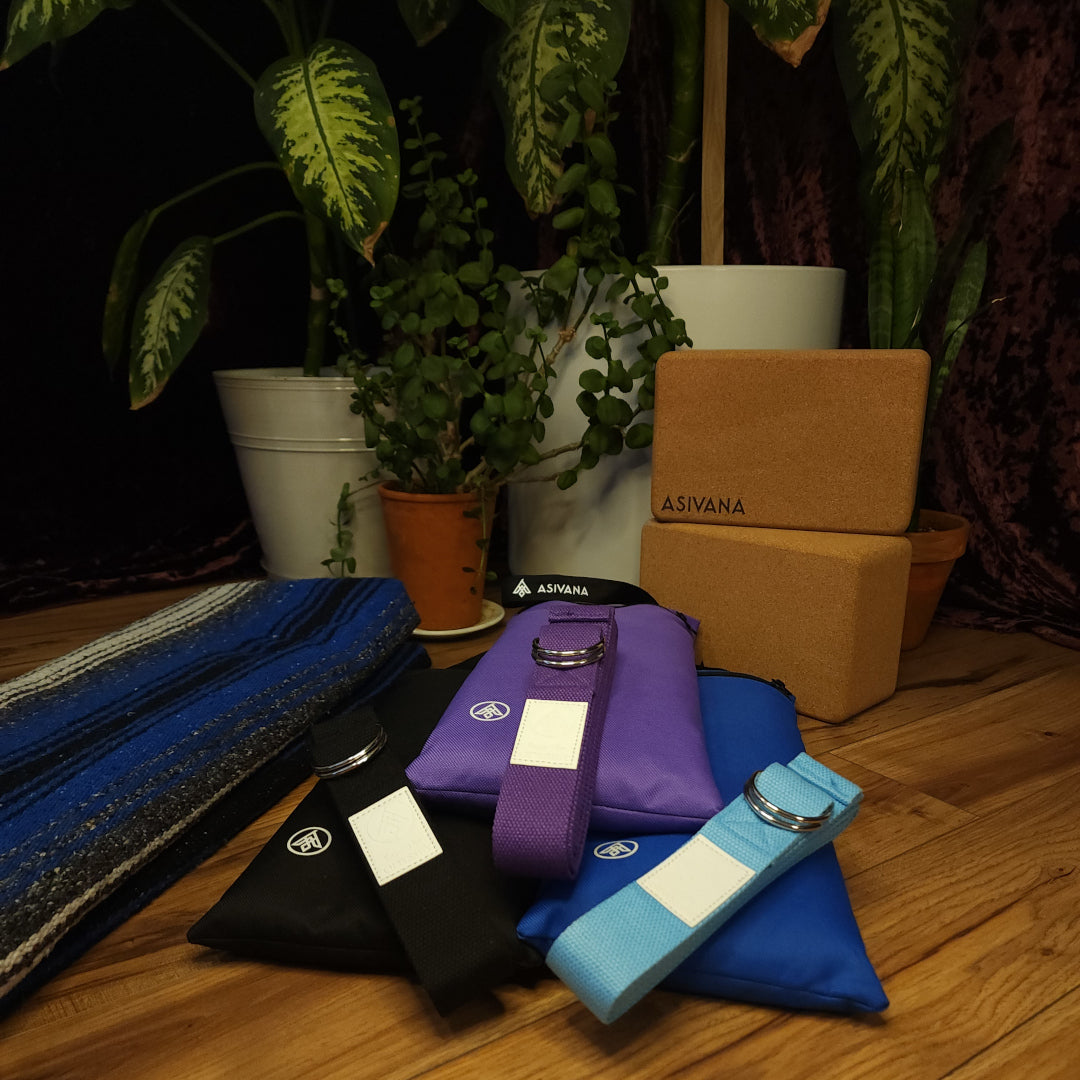
If you are exploring yoga mats from Asivana Yoga, focus on finding a mat category that aligns with your practice habits and comfort preferences. Pairing a suitable mat with supportive props such as blocks or blankets may also improve stability and comfort during learning and longer-held postures.
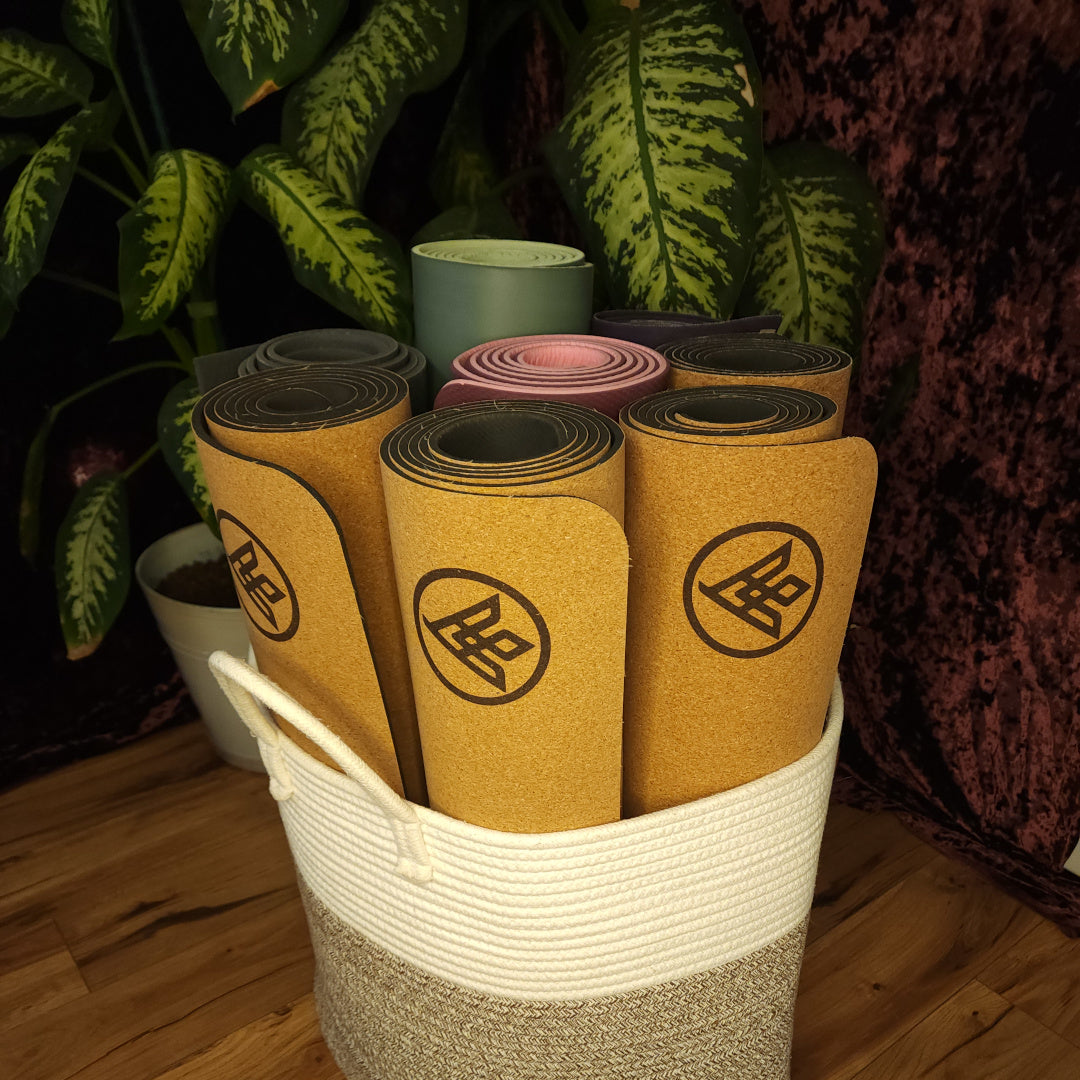
The Asivana Cork Yoga Mat has a cork surface that becomes grippier as moisture increases, with a natural rubber base and 5mm thickness. Consider how that moisture-responsive surface fits the conditions in which you usually practice.
FAQ
How long does a non slip yoga mat stay grippy?
It depends on the material, frequency of use, and care. Regular cleaning and proper storage help preserve traction over time.
Do I need a yoga towel with a non slip yoga mat?
For many regular classes, a towel is unnecessary. In hot yoga or very sweaty practices, a towel can improve comfort and moisture management.
Why do my hands still slip?
Body oils, lotion, dust, or accumulated sweat can reduce traction. Cleaning the mat and practicing with even weight distribution often improves grip.
Is a thicker mat more slip resistant?
Thickness mainly affects cushioning. Surface material and texture have a much greater impact on traction than thickness alone.
Can I clean my mat after every practice?
Yes, light cleaning after practice is generally a good habit. Use cleaning methods appropriate for the specific material to avoid damaging the surface.