Yoga Accessories for Beginners
Jack UtermoehlYoga accessories for beginners are simple tools that make practice more comfortable, accessible, and consistent. A few well chosen props can help you learn alignment, reduce unnecessary strain, and adapt poses to your current level of flexibility and strength. Most new practitioners benefit from starting with a yoga mat, blocks, a strap, and a blanket, then adding other accessories only as their practice and personal needs develop.
Why beginners benefit from yoga accessories
Yoga is often presented as requiring very little equipment, and that is true. At the same time, props have long been part of thoughtful teaching because they help students meet their bodies where they are. Accessories are not shortcuts. They are practical teaching tools.
For example, a block can bring the floor closer during standing poses. A strap can extend your reach without forcing a stretch. A folded blanket can cushion sensitive knees or support the hips during seated practice. These adjustments make it easier to focus on breathing, stability, and awareness instead of struggling to reach an ideal shape.
The essential yoga accessories for beginners
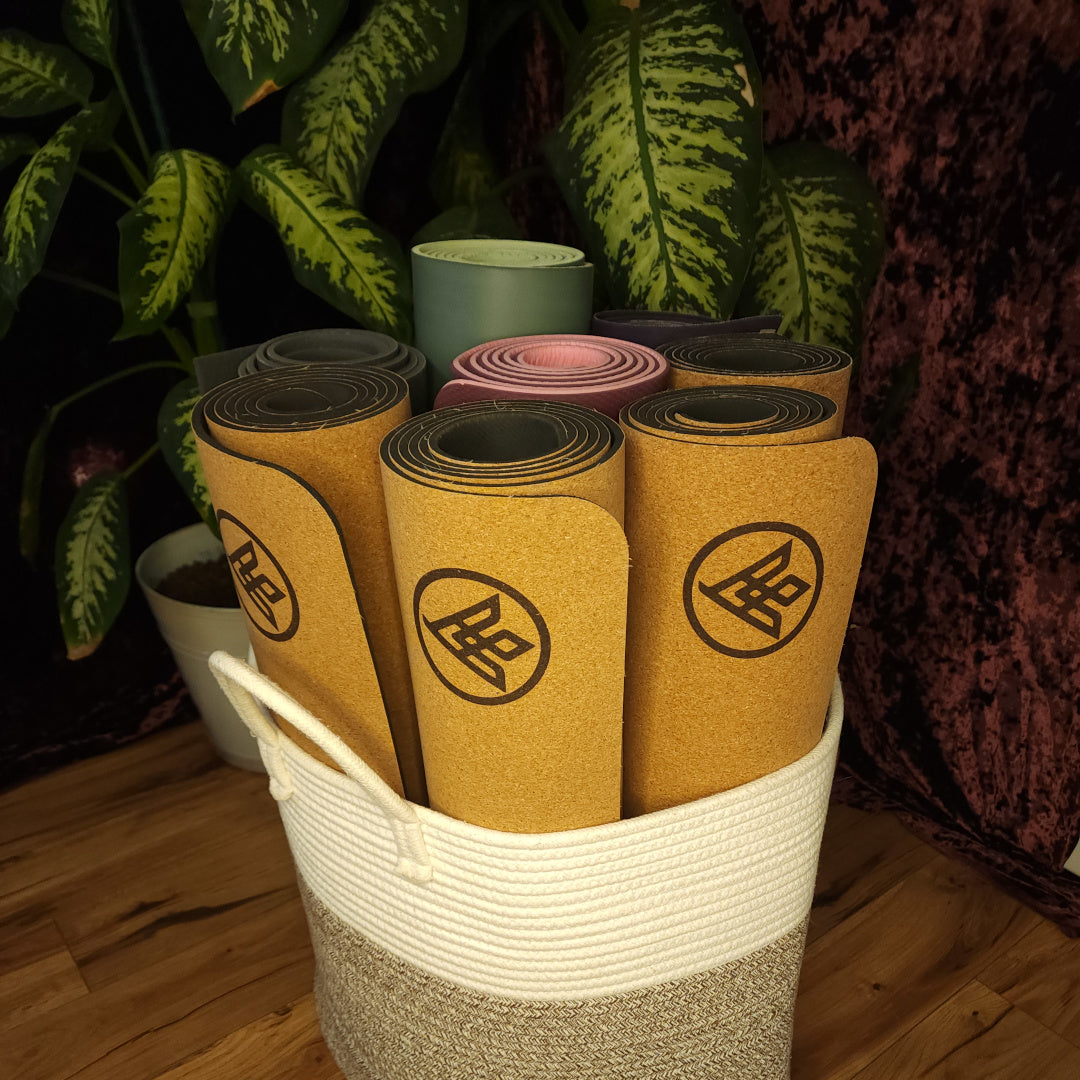
Yoga mat
A yoga mat creates a defined practice space and provides traction between your hands, feet, and the floor. Look for a mat that feels stable and suits the type of practice you enjoy. A consistent surface can make balancing poses and transitions feel more predictable.
Yoga blocks
Blocks are among the most versatile props available. They can support your hands in standing poses, provide a seat during meditation, or help maintain alignment in restorative postures. Many teachers recommend owning a pair so both sides of the body can be supported evenly.
Yoga strap
A strap is useful when flexibility is still developing. It allows you to hold a position with good posture instead of rounding the spine or overreaching. Straps are commonly used in seated forward folds, shoulder stretches, and balance work.
Yoga blanket
A folded blanket adds comfort without changing the purpose of a pose. It can lift the hips during seated positions, support the knees, cushion the head, or provide warmth during relaxation. It is one of the simplest accessories with many practical uses.
Helpful accessories you can add later
After establishing a regular practice, you may discover that additional accessories match your goals.
A bolster offers broad support during restorative yoga and gentle stretching. Eye pillows can encourage relaxation during final rest. Meditation cushions help many people sit comfortably for longer periods by supporting a more upright posture.
These tools are valuable for specific practices, but they are not essential for getting started. Building your collection gradually gives you time to learn what you will actually use.
How to choose accessories that fit your practice
The best yoga accessories for beginners are the ones that solve real challenges instead of creating unnecessary clutter.
Consider where you practice. If you attend classes, lightweight accessories may be easier to carry. If you practice mostly at home, comfort and durability may become higher priorities.
Think about your body as well. If tight hamstrings make forward folds difficult, a strap may be more useful than another accessory. If kneeling is uncomfortable, a folded blanket may immediately improve your experience.
Quality also matters. Well made accessories tend to feel more stable and comfortable during regular use. If you are shopping with Asivana Yoga, consider the available prop categories based on your actual practice needs rather than trying to purchase everything at once.
Common mistakes when buying beginner yoga accessories
Many new practitioners assume they need a complete collection before beginning. In reality, consistency matters much more than the number of props you own.
Another common mistake is choosing accessories based only on appearance. Comfort, stability, and usefulness should come first because they directly affect your practice experience.
It is also easy to overlook guidance from your teacher. If you attend classes, notice which props are used most often. That experience can help you decide what deserves a place in your home practice space.
Building a simple home practice space
You do not need a dedicated studio to practice yoga. A quiet area with enough room to extend your arms and legs is often enough.
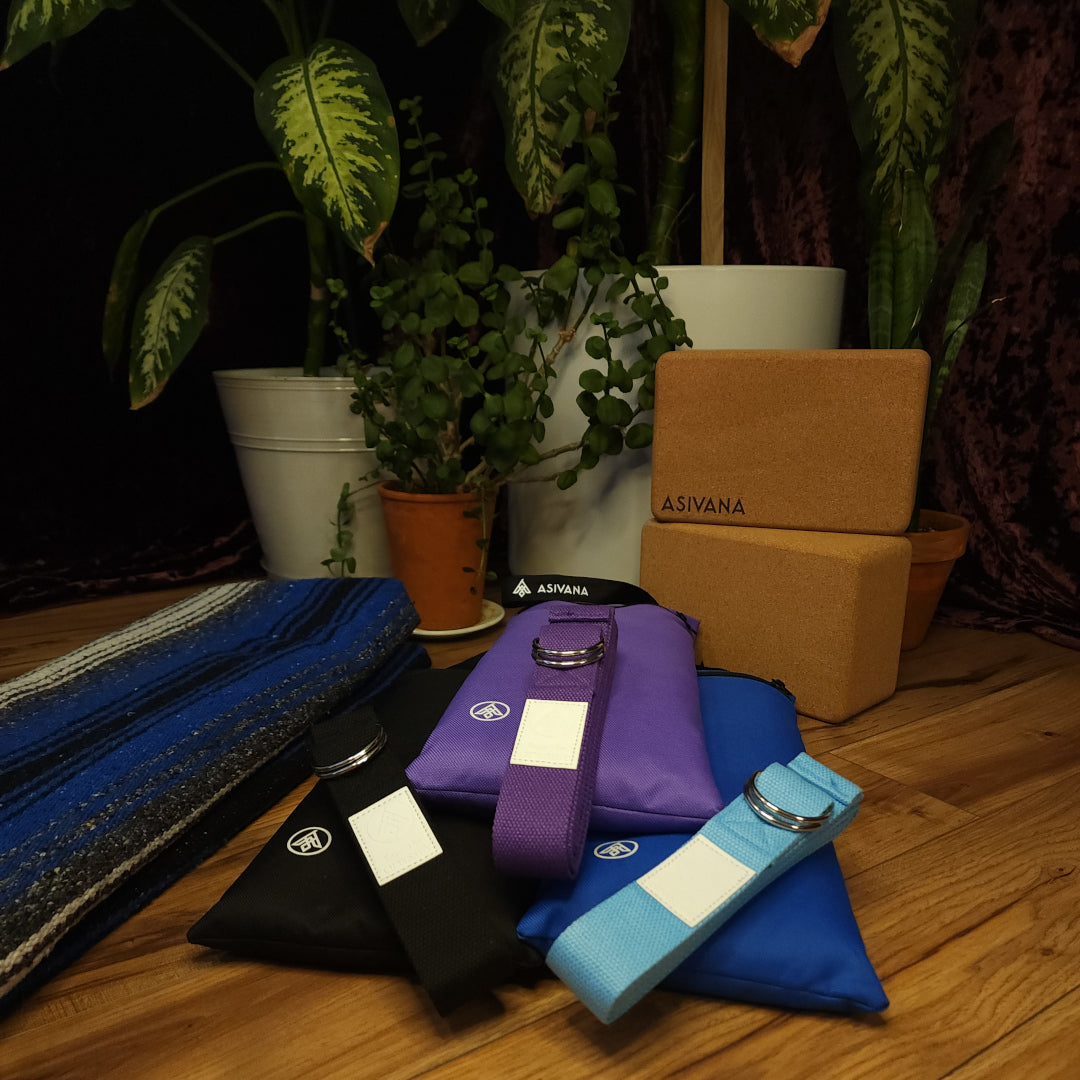
A practical beginner setup may include:
- A yoga mat for traction and personal practice space.
- Two yoga blocks for support and alignment.
- One yoga strap for flexibility work.
- A folded blanket for comfort and seated poses.
As your practice grows, you can add accessories that match your interests, such as restorative yoga or meditation. This gradual approach keeps your space functional and encourages mindful purchasing.
FAQ
What are the most important yoga accessories for beginners?
A yoga mat, two blocks, a strap, and a blanket cover the needs of most beginners and support a wide variety of poses.
Do I need yoga blocks if I am flexible?
Yes. Blocks are useful for balance, alignment, and support even if you already have good flexibility.
Should beginners buy all yoga accessories at once?
No. Start with the essentials and add more accessories as your practice develops and your needs become clearer.
Can I practice yoga without accessories?
Yes. Many poses can be practiced without props, but accessories often improve comfort, accessibility, and learning, especially during the early stages.
How do I know which accessory to buy first?
If you already have a mat, blocks are often the next most useful purchase because they support many standing, seated, and restorative poses.