Yoga Retail Display Ideas
Jack UtermoehlEffective yoga retail display ideas help customers quickly understand products, move comfortably through your space, and make informed purchasing decisions. A well planned display combines clear organization, accessible product placement, and educational signage so shoppers can compare props, accessories, and lifestyle items with confidence. The goal is to create a retail area that supports the experience of yoga while making products easy to discover and easy to understand.
Start with the purpose of your retail space
A yoga studio retail area serves a different purpose than a general sporting goods store. Many visitors arrive for class, have limited time, and appreciate displays that are simple to browse before or after practice.
Before arranging products, decide what your retail area should accomplish. You may want to introduce new students to essential props, provide replacement accessories for regular practitioners, or offer meaningful gifts that reflect your studio values. A clear purpose helps determine what deserves the most visible location.
Keep the shopping experience consistent with the atmosphere of your practice space. Open walkways, natural lighting, and uncluttered shelving encourage customers to slow down and look more carefully.
Organize products by how they are used
One of the most practical yoga retail display ideas is organizing merchandise by function instead of placing unrelated items together. Customers often shop with a specific need in mind, making this approach intuitive.
Practice essentials
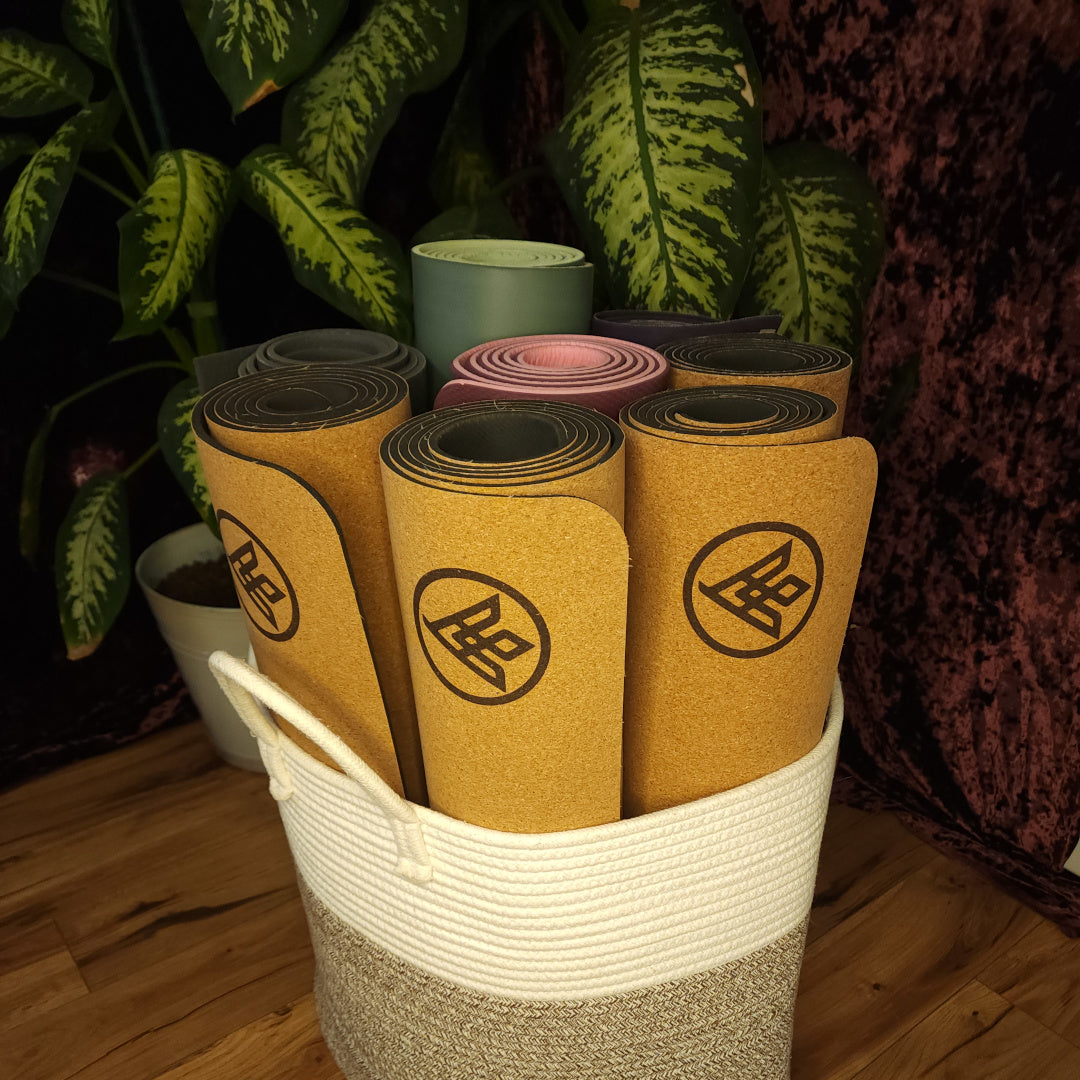
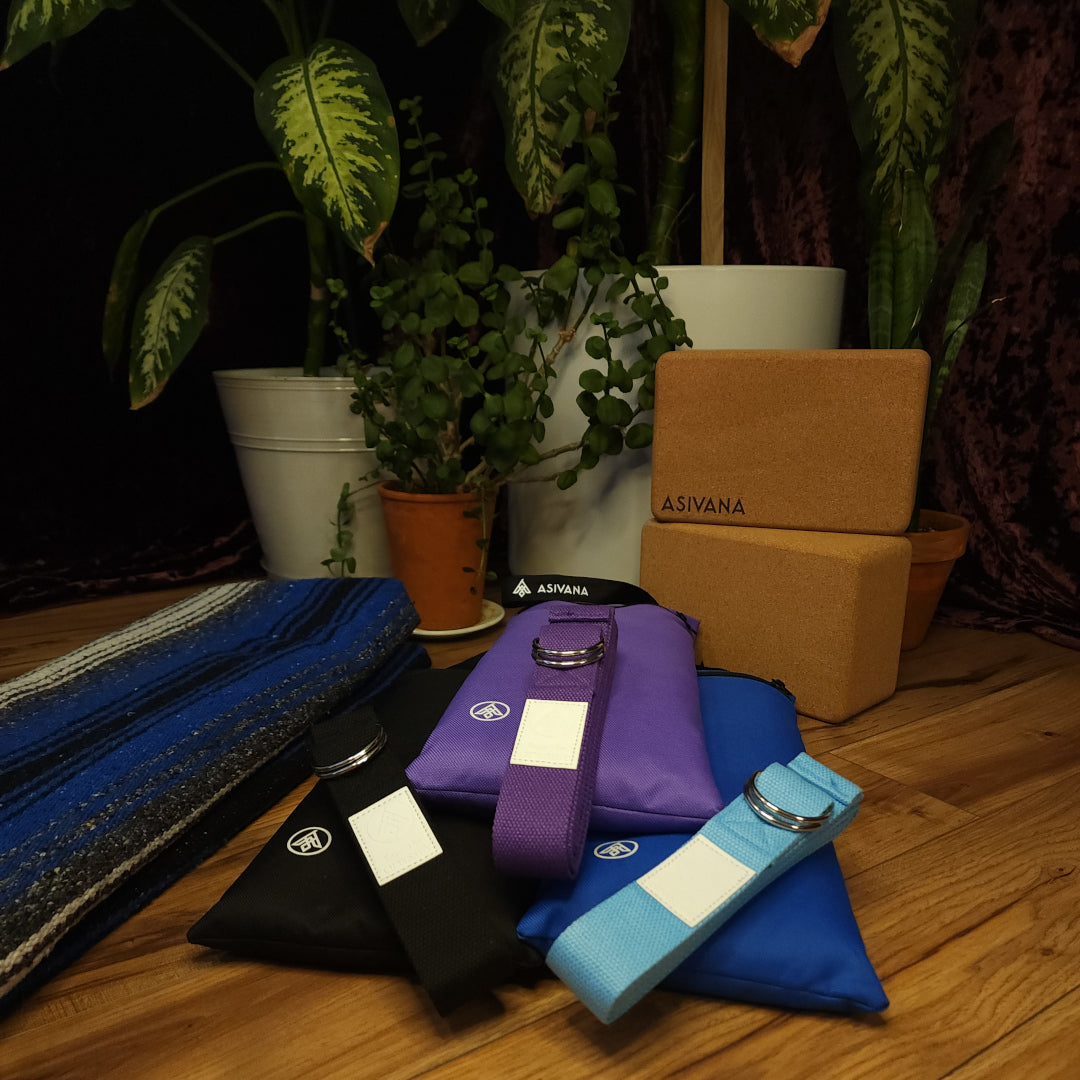
Group commonly used products together, such as yoga mats, blocks, straps, blankets, towels, and mat carriers. Even if customers purchase only one item, seeing complementary tools helps them understand how each prop supports practice.
Meditation and relaxation
Create a separate section for meditation cushions, eye pillows, journals, or calming accessories. A focused presentation makes the purpose of each product easier to recognize.
Lifestyle and gifts
Jewelry, water bottles, apparel, or wellness inspired gifts can be displayed together in a dedicated area. These items often appeal to customers shopping for birthdays, holidays, or teacher appreciation gifts.
Use educational merchandising instead of crowded displays
Many yoga products benefit from a short explanation. Small signs that answer common questions reduce uncertainty and help customers choose products that fit their needs.
Examples include explaining when a yoga strap is useful, how blocks support balance, or why folded blankets are common in seated poses. Educational displays also reinforce your role as a trusted teaching space rather than simply a retailer.
If your studio carries Asivana Yoga products, present them within these educational groupings instead of separating them solely by brand. Customers usually shop according to purpose first.
Keep signage concise and readable. Bullet points, simple illustrations, or brief practice tips are often enough.
Create displays that encourage interaction
People often feel more confident purchasing yoga equipment after handling it. Whenever practical, allow customers to touch sample products.
A demonstration corner can include:
- A neatly rolled yoga mat beside an open sample.
- Blocks stacked in common practice positions.
- A strap displayed in a simple seated stretch.
- A folded blanket arranged as it would appear in class.
Displaying products in realistic practice setups helps shoppers imagine using them. It also gives teachers natural opportunities to answer questions.
Improve customer flow through thoughtful layout
Good merchandising considers movement as much as appearance. Customers should be able to browse without interrupting people entering or leaving class.
Place high interest displays near the entrance while keeping checkout areas clear. Frequently purchased essentials work well close to the register, especially if students realize they need a prop before class begins.
Maintain enough space for customers carrying bags or rolled mats. Wide pathways also improve accessibility.
Seasonal displays can refresh the retail area without changing the entire layout. For example, gift collections during holidays or meditation focused displays at the beginning of a new year provide variety while preserving a familiar shopping experience.
Keep displays fresh with simple merchandising updates
Retail displays benefit from regular attention. Products naturally become disorganized as customers browse, so a brief daily reset keeps the space welcoming.
Rotate featured products occasionally to highlight different categories. Instead of displaying every item equally, choose a small number of featured collections that match current student interests.
Observe which displays encourage conversation. If students consistently ask questions about a prop, consider adding a short explanation nearby. Merchandising works best when it reflects real customer needs rather than assumptions.
These yoga retail display ideas are most effective when they evolve with your community. Listening to student questions often provides better guidance than following retail trends.
FAQ
What products should be displayed near the entrance?
Practice essentials, seasonal features, or new arrivals are usually effective because customers can quickly understand what is available.
How many products should a single display include?
Fewer products presented clearly are often easier to shop than crowded shelves. Give each category enough space to be viewed comfortably.
Should yoga props be removed from packaging?
Keeping one sample available for handling while leaving additional inventory packaged can help customers evaluate quality without creating unnecessary wear.
How often should displays change?
Small adjustments every few weeks and regular daily organization help keep the retail area fresh while maintaining familiarity.
Can educational signs improve sales?
Clear explanations help customers understand how products are used, making purchasing decisions more informed and reducing uncertainty.