Cork vs Wood Yoga Blocks
Jack UtermoehlWhen comparing cork vs wood yoga blocks, neither material is universally better. Cork blocks offer a balance of firmness, comfort, and grip that suits many practitioners, while wood blocks provide a very stable, hard surface that some experienced students and teachers appreciate for standing balances and precise alignment. The right choice depends on your practice style, comfort preferences, and how you plan to use your blocks.
How cork and wood yoga blocks differ
Yoga blocks are designed to bring the floor closer to you, improve alignment, and create support where flexibility, strength, or balance is still developing. The material affects how a block feels in your hands, under your feet, and during longer holds.
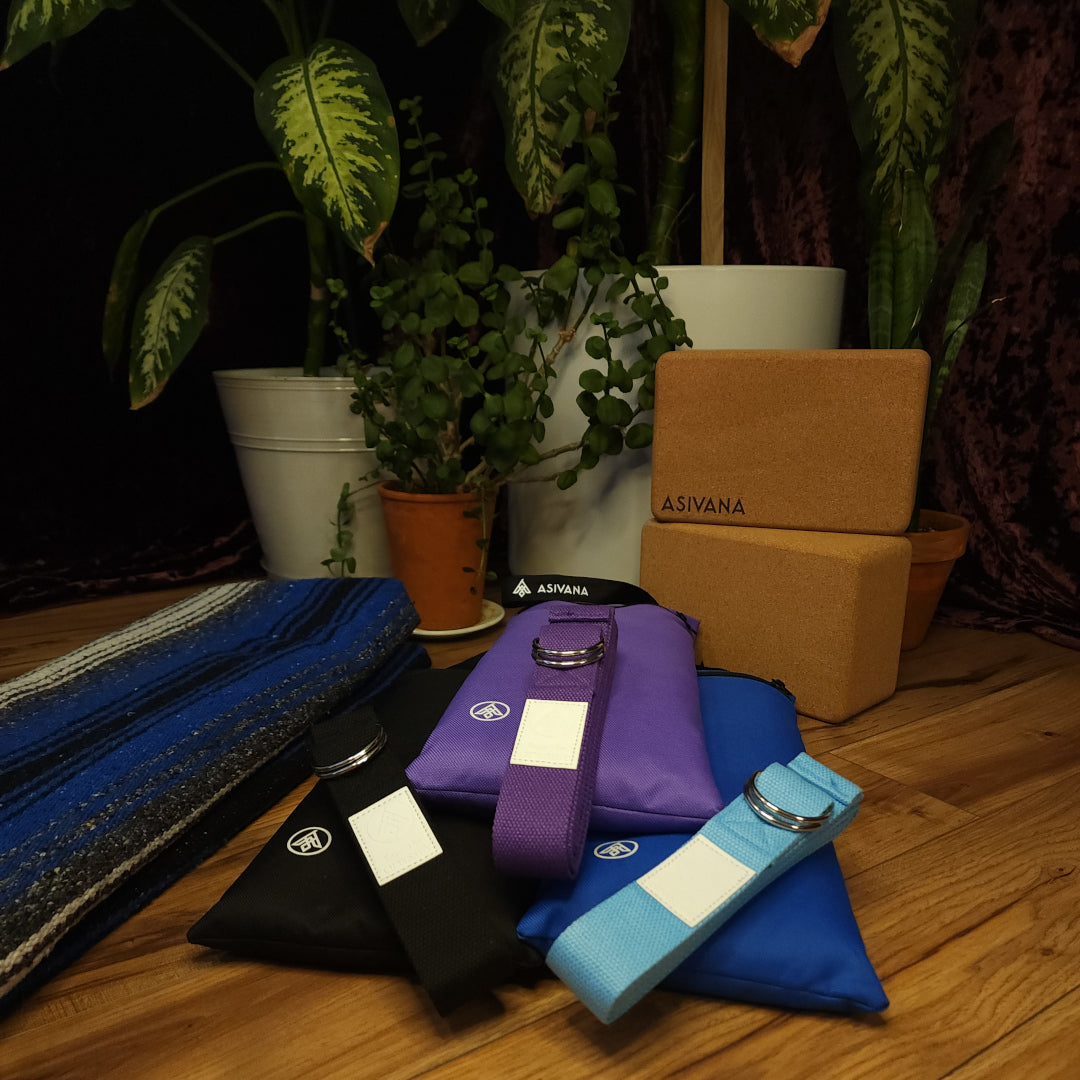
Cork is slightly textured with a small amount of natural give. It feels firm without being harsh and usually provides good traction, even with warm hands. Many practitioners find this combination comfortable across a wide range of poses.
Wood blocks are dense and rigid. They provide an unmistakably solid foundation with virtually no compression. Traditional wooden blocks have been used for decades in yoga studios and remain popular among practitioners who value precision and consistency.
Comparing weight, stability, and comfort
Weight
Wood yoga blocks are generally heavier than cork. The extra weight can help a block stay firmly in place during standing postures or when moving around your practice space. The tradeoff is portability. Carrying wooden blocks to and from class can be less convenient.
Cork blocks are typically lighter while still feeling substantial enough to provide confidence in weight-bearing poses.
Stability
Both materials are stable when manufactured well. Wood has essentially no compression, creating a very predictable platform. Cork remains highly stable while offering a slight amount of cushioning that many students appreciate, especially when supporting the hands or knees.
Comfort
Comfort is where many practitioners notice the biggest difference. Pressing your palms, forearms, back, or head against cork often feels more forgiving during longer holds. Wood feels noticeably harder. Some practitioners enjoy that direct feedback, while others find it less comfortable for restorative shapes or poses where body weight rests against the block.
Which material works best for different styles of yoga?
Your preferred yoga style can influence which material feels most supportive.
Gentle, restorative, and yin yoga
Cork is often the more comfortable option for practices that involve sustained holds. Its slightly softer surface can make supported poses more pleasant without sacrificing stability.
Hatha and general yoga classes
Both cork and wood perform well. Students who attend a variety of classes often appreciate cork because it adapts comfortably to many different poses, from seated forward folds to standing balance work.
Alignment-focused practice
Teachers who emphasize precise placement sometimes appreciate wooden blocks because the completely rigid surface provides immediate feedback. Others still prefer cork because it offers nearly the same stability with added comfort.
Home practice
For many home practitioners, cork offers a practical balance of durability, comfort, and manageable weight. If you regularly move your props between rooms or store them after practice, the lighter weight may be welcome.
Durability and long-term care
Both cork and wood yoga blocks can last for years when treated with reasonable care.
Cork naturally resists normal wear, although sharp impacts or prolonged exposure to excessive moisture can eventually affect its appearance. Cleaning typically involves wiping the surface with a lightly damp cloth and allowing it to dry completely before storage.
Wood is exceptionally durable but can show dents or scratches if dropped onto hard surfaces. Depending on the finish, occasional maintenance may help preserve its appearance. It is also wise to avoid prolonged exposure to moisture.
Whichever material you choose, storing blocks in a dry place and cleaning them regularly helps extend their useful life.
If cork seems like the more practical material for your routine, read Are Cork Yoga Blocks Worth It? for a closer look at that option. Our yoga block size guide also helps you choose useful dimensions regardless of material.
How to choose between cork and wood yoga blocks
If you are deciding between cork vs wood yoga blocks, focus on how you actually practice rather than searching for a universally superior option.
- Choose cork if you want a combination of firmness, grip, and comfort across many styles of yoga.
- Choose wood if you prefer maximum rigidity and enjoy the feeling of a completely solid support.
- Consider portability if you regularly carry props to classes.
- Think about comfort if you frequently use blocks under your back, head, forearms, or knees.
- If possible, try both materials before purchasing. Personal preference plays an important role.
If you are shopping through Asivana Yoga, look at the available yoga block category with your practice needs in mind. The best prop is the one that encourages regular use and supports good alignment without becoming a distraction.
Common situations where your choice matters
Imagine using blocks during Triangle Pose. If your hand rests lightly on the block, either cork or wood can provide excellent support. If you stay in the pose for an extended time and place significant weight through your palm, some practitioners find cork more comfortable.
During a supported heart opener, where a block rests beneath the upper back, cork may feel gentler against the body. A wooden block offers the same height but creates a firmer contact point.
For standing balance practice, both materials can work well when placed securely on a level surface. Confidence often comes from becoming familiar with your props through consistent practice rather than the material alone.
FAQ
Are cork yoga blocks better than wood?
Neither is objectively better. Cork provides more comfort and natural grip, while wood offers maximum firmness and rigidity.
Do wood yoga blocks last longer?
Both materials are durable when cared for properly. Wood may better resist compression over time, while cork also has a long service life under normal use.
Which is more comfortable for restorative yoga?
Many practitioners prefer cork because its surface feels slightly softer during supported poses and longer holds.
Are wooden yoga blocks too hard for beginners?
Many beginners find cork more comfortable, but beginners can certainly use wood if they enjoy a firmer feel and stable support.
Can cork yoga blocks support full body weight?
Quality cork yoga blocks are designed to provide stable support during regular yoga practice. Always follow the manufacturer's guidance and inspect any block for damage before use.