The Best Hot Yoga Domes and Tents
Jack UtermoehlWelcome to the ultimate guide on transforming your home into a hot yoga sanctuary with the latest innovation in yoga practice: hot yoga domes and tents. As someone who's deeply passionate about yoga and has embraced the heat in studios across the country, I understand the transformative power of a heated practice.
But what if you could capture that same intensity, sweat, and focus right in your own space? That's where hot yoga domes and tents come in, offering a personal hot yoga studio experience without ever leaving home.
In this comprehensive guide, I'll walk you through everything you need to know about creating your own hot yoga environment. From understanding what a hot yoga dome is and why it's revolutionizing home practice, to selecting the right setup for your space and budget.

What is a Hot Yoga Dome?
A hot yoga dome is a specially designed, enclosed space that creates and maintains the elevated temperatures and humidity levels characteristic of hot yoga studios. Think of it as your personal micro-studio that can be set up in a spare room, garage, or other suitable space at home.
These domes typically feature insulated materials that trap heat efficiently, along with ventilation systems to manage humidity and air quality. Unlike simply cranking up a room heater, a hot yoga dome creates a controlled environment that mimics professional studio conditions while being more energy-efficient.
Hot Yoga Dome vs. Hot Yoga Tent
While the terms are often used interchangeably, there are subtle differences between hot yoga domes and tents:
Hot Yoga Domes typically have a rounded or geodesic structure with more rigid framing. They offer superior heat retention, better stability, and often more headroom for standing poses.
Hot Yoga Tents usually feature a rectangular or cabin-style design with flexible poles. They're generally more portable, easier to set up and take down, and often more budget-friendly.
Both serve the same fundamental purpose: creating a heated, enclosed space for your yoga practice.
Why Practice Hot Yoga at Home?
Convenience and Accessibility
Having a hot yoga setup at home eliminates travel time, class schedules, and the need to coordinate your practice around studio hours. You can roll out your mat at 5 AM or 10 PM, whenever your body and schedule align.
Cost Savings Over Time
While the initial investment in a hot yoga dome or tent can range from $200 to over $1,000, consider that unlimited hot yoga studio memberships often cost $100-200 monthly. Your home setup can pay for itself within 6-12 months.
Personalized Environment
Control every aspect of your practice: temperature, humidity, music, lighting, and duration. No more competing for your favorite spot or adjusting to someone else's preferred heat level.
Privacy and Comfort
Practice without self-consciousness, wear whatever feels comfortable, and take breaks when needed. Your home hot yoga space is entirely yours.

Essential Components for Your Hot Yoga Setup
Heating System
The heart of any hot yoga dome is its heating system. You'll need sufficient wattage to reach and maintain temperatures between 95-105°F (35-40°C).
Infrared heaters are popular because they heat objects and bodies directly rather than just warming the air. This creates a more comfortable, penetrating heat similar to sunlight.
Ceramic space heaters offer a budget-friendly option but may require multiple units for larger spaces.
Radiant panel heaters provide even, consistent heat and can be mounted to walls or ceilings in more permanent setups.
Humidity Control
Hot yoga studios typically maintain 40-60% humidity. Depending on your climate and heating method, you may need a humidifier to reach optimal levels.
A digital hygrometer helps you monitor both temperature and humidity accurately.
Ventilation
While you want to retain heat, some air circulation is essential for safety and comfort. Look for domes or tents with adjustable vents, or position a small fan to create gentle air movement without significantly cooling the space.
Flooring and Yoga Mat
Your foundation matters. A quality yoga mat with excellent wet grip is essential for a sweaty practice. Cork and natural rubber mats perform particularly well in hot conditions because cork becomes grippier with moisture.
Place your mat on a stable, non-slip surface. If practicing on carpet, consider a firm yoga board to create a solid foundation.
Choosing the Right Hot Yoga Dome or Tent
Size Considerations
Your enclosure needs enough space for your full range of motion. At minimum, allow for:
- 7 feet in length for your yoga mat and extended poses
- 4-5 feet in width for lateral movements
- 7 feet of height for standing poses and overhead reaches
Larger domes accommodate multiple practitioners but require more heating power and space.
Material and Insulation
Look for materials that retain heat effectively while being safe at elevated temperatures. Common options include insulated polyester, reflective thermal materials, and specialized heat-resistant fabrics.
Avoid materials that may off-gas or release chemicals when heated.
Setup and Portability
Consider whether you want a permanent installation or something you can pack away. Pop-up designs offer convenience, while more substantial frame systems provide better stability and longevity.
Safety Features
Prioritize enclosures with:
- Flame-resistant materials
- Adequate ventilation options
- Stable, secure framing
- Easy emergency exits
- Clear heater placement guidelines

Setting Up Your Home Hot Yoga Space
Location Selection
Choose a space with adequate electrical capacity for your heaters. Garages, basements, and spare rooms work well. Ensure the area has proper ventilation and isn't near flammable materials.
Avoid setting up in spaces with low ceilings or limited emergency exits.
Electrical Safety
High-wattage heaters draw significant power. Never overload circuits or use inadequate extension cords. If you're unsure about your electrical system's capacity, consult an electrician.
Use heaters with automatic shut-off features and tip-over protection.
Temperature Management
Start your heaters 20-30 minutes before practice to preheat the space. Use a reliable thermometer positioned at approximately chest height.
Begin with lower temperatures (85-90°F) and gradually increase as your body adapts to home hot yoga practice.
Creating the Atmosphere
Your hot yoga space can become a sanctuary. Consider adding:
- Soft, adjustable lighting
- A Bluetooth speaker for music or guided classes
- Essential oil diffuser outside the heated enclosure
- Towels and water within easy reach
- A small shelf for personal items
Safety Guidelines for Home Hot Yoga
Hydration
Hydrate well before, during, and after your practice. Don't wait until you're thirsty. Keep water accessible throughout your session.
Know Your Limits
Heat intensifies physical exertion. Listen carefully to your body and exit the heated space if you experience dizziness, nausea, confusion, or unusual fatigue.
There's no achievement in pushing through dangerous symptoms. Your practice should support your health, not compromise it.
Practice Duration
Start with shorter sessions of 30-45 minutes as you adapt to practicing hot yoga at home. Gradually increase duration based on how your body responds.
Medical Considerations
Consult your healthcare provider before beginning hot yoga if you have cardiovascular conditions, are pregnant, take medications that affect heat regulation, or have other health concerns.
Hot yoga isn't appropriate for everyone, and that's perfectly okay.

Maintaining Your Hot Yoga Dome
Cleaning
Sweat and humidity create an environment where bacteria and mold can thrive. Wipe down interior surfaces after each practice and allow the enclosure to dry completely before closing it up.
Follow manufacturer guidelines for deep cleaning the fabric and structure.
Ventilation After Practice
Open all vents and doors after your session. Run a fan if needed to accelerate drying. Never store or close a damp enclosure.
Heater Maintenance
Keep heaters free of dust and debris. Inspect cords regularly for damage and follow manufacturer maintenance schedules.
Hot Yoga Dome Alternatives
Dedicated Heated Room
If you have a spare room, you can convert it into a permanent hot yoga studio using wall-mounted infrared panels and proper insulation. This offers the most studio-like experience but requires a larger investment.
Bathroom Practice
For a budget approach, some practitioners use a bathroom with a space heater and hot shower running to create heat and humidity. This works for shorter practices but offers limited space.
Outdoor Heat
In hot climates, practicing outdoors during warm weather provides natural heat without equipment. Just be mindful of direct sun exposure and uneven surfaces.
Frequently Asked Questions
How hot should my home hot yoga space be?
Traditional hot yoga ranges from 95-105°F. Start lower, around 85-90°F, and gradually increase as you adapt. The ideal temperature is one that challenges you without compromising safety.
Can I use a regular tent for hot yoga?
Standard camping tents aren't designed for sustained high temperatures and may contain materials that off-gas when heated. Use an enclosure specifically designed for heated exercise or verify that materials are heat-safe.
How much does a hot yoga dome cost?
Basic hot yoga tents start around $200-300, while premium domes with integrated heating systems can exceed $1,000. Factor in heater costs ($50-300) and accessories when budgeting.
What yoga mat is best for a hot yoga dome?
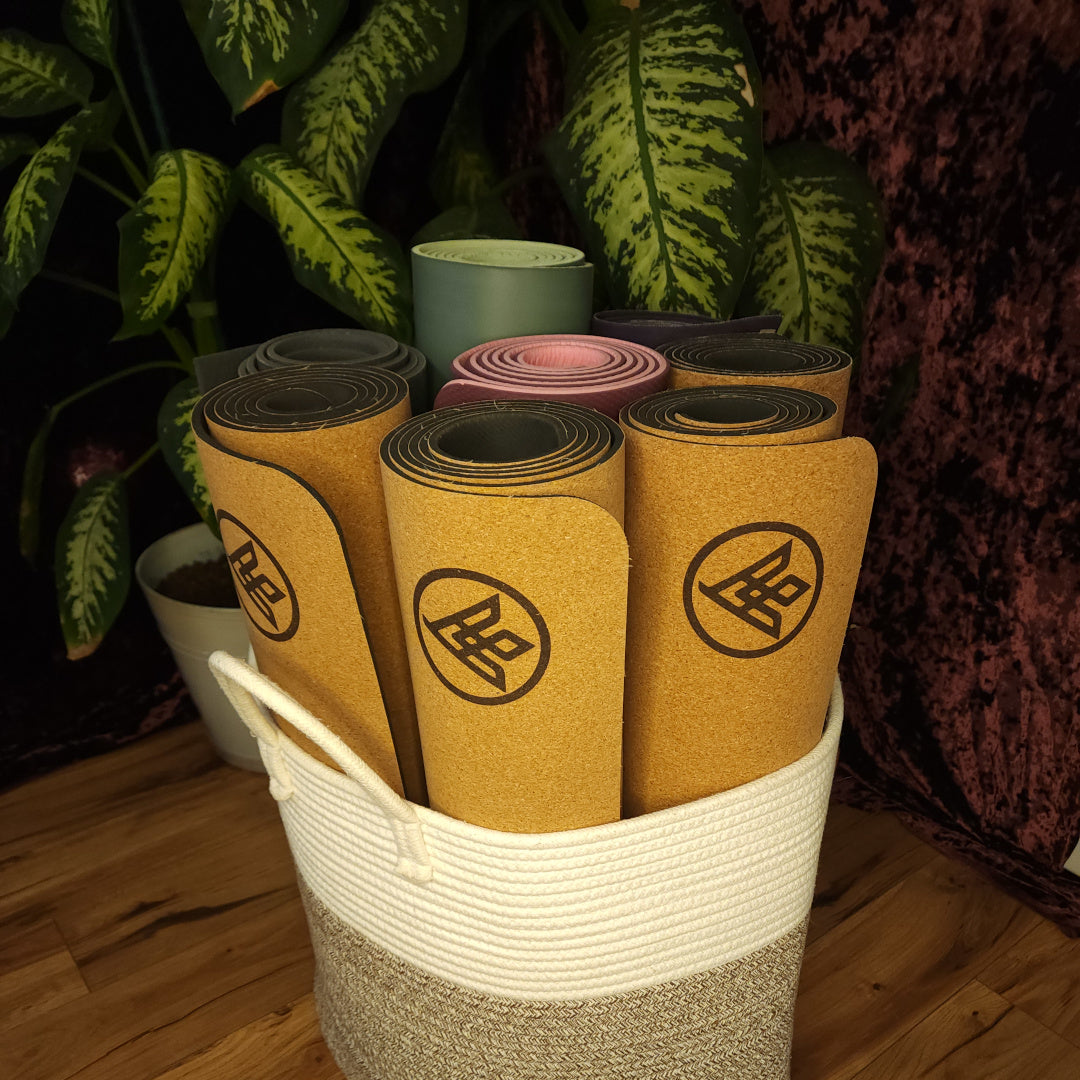
Look for a mat with strong wet grip. Cork mats excel in hot yoga because moisture activates their grip. The Asivana Cork Yoga Mat combines natural cork with a stable rubber base and is designed for sweaty practices.
Do I need a humidifier?
It depends on your climate and heating method. If humidity stays below 40%, a humidifier can help recreate studio conditions. Always monitor humidity with a hygrometer rather than guessing.
How long does it take to heat a yoga dome?
Most setups take 20-45 minutes to reach target temperature, depending on enclosure size, heater wattage, ambient temperature, and insulation quality.
Bringing the Heat Home
A hot yoga dome or tent can transform your home practice by giving you control over the environment while eliminating the logistics of traveling to a studio. The key is creating a setup that's safe, properly heated, well-ventilated, and comfortable enough that you'll actually use it.
Start conservatively with temperature and duration. Learn how your body responds to the heat in your specific setup. Over time, your home hot yoga space can become a reliable part of your practice, whether you're flowing through vinyasa, holding static postures, or simply enjoying the focused intensity that heat brings.
Heat is a tool. Use it intentionally, respect its effects on your body, and let it support rather than dominate your practice.