How Long Do Yoga Mats Last
Jack UtermoehlHow long do yoga mats last depends on the material, how often they are used, how they are cleaned, and the conditions where they are stored. A quality yoga mat can last anywhere from one to many years with thoughtful care. If your mat has lost grip, no longer provides comfortable support, or has begun to crack or flake, it may be time to replace it. Regular cleaning and proper storage can significantly extend its useful life.
What determines how long a yoga mat lasts?
There is no single lifespan that applies to every yoga mat. Someone practicing vigorous yoga every day will naturally wear a mat faster than someone attending a gentle class once a week. The material also makes a meaningful difference because different surfaces respond differently to pressure, moisture, sunlight, and repeated movement.
Several factors influence durability:
- Practice frequency and intensity.
- The material used to make the mat.
- Cleaning habits.
- Storage conditions.
- Body weight and movement patterns.
- Whether the mat is used indoors or outdoors.
A well-made mat that receives regular care often remains comfortable and reliable for much longer than a neglected one.
Typical lifespan by use and material
Although every mat ages differently, general expectations can help you judge what is reasonable.
Light home practice
If you practice once or twice each week and store your mat properly, it may remain in good condition for several years.
Regular studio practice
Practicing three to five times each week creates more compression, friction, and exposure to sweat. Many mats begin showing noticeable wear sooner under these conditions.
Daily or intensive practice
Teachers, dedicated practitioners, and those attending daily classes place much greater demands on a mat. Even durable materials gradually lose some grip and cushioning after consistent heavy use.
Material matters as well. Natural rubber, PVC, TPE, cork, and other common materials each have different strengths and limitations. Some prioritize grip, some focus on cushioning, and others balance durability with sustainability goals. Following the manufacturer's care recommendations is always the best approach because cleaning methods can differ between materials.
Signs your yoga mat needs replacing
Normal cosmetic wear is expected over time. Small marks, slight discoloration, or surface impressions do not automatically mean the mat has reached the end of its life. More significant changes deserve attention because they affect your practice.
Common signs include:
- Noticeably reduced grip even after cleaning.
- Cracks or splits in the surface.
- Flaking or pieces of material coming away.
- Permanent compressed areas that no longer provide support.
- Edges that curl excessively and create a tripping hazard.
- Persistent odors that remain after proper cleaning.
If your hands or feet regularly slide during poses because the surface has worn smooth, replacing the mat may improve both comfort and stability.
For everyday maintenance, follow our guide to cleaning and caring for yoga mats. Cork surfaces have their own considerations, covered in how to clean a cork yoga mat.
How to make your yoga mat last longer
Good care does not require complicated routines. Consistent habits usually have the greatest impact.
Clean it regularly
Body oils, sweat, dust, and lotions slowly build up on a mat's surface. Gentle cleaning according to the manufacturer's recommendations helps preserve grip and keeps the practice surface pleasant to use.
Allow it to dry
If your mat becomes damp during practice or after cleaning, let it dry completely before rolling it up. Storing moisture inside a tightly rolled mat can shorten its lifespan.
Store it away from heat and sunlight
Extended exposure to direct sunlight or excessive heat may accelerate aging in many materials. A cool, dry place is generally the safest option.
Roll it consistently
Rolling the mat the same way each time can help reduce unnecessary stress on the material. Avoid folding it unless the manufacturer specifically recommends that approach.
Use it for its intended purpose
Dragging heavy furniture across a yoga mat or using it as a general exercise surface for equipment can increase wear. Using the mat primarily for yoga helps preserve its surface.
When repair is enough and when replacement makes sense
Many practitioners wonder whether minor damage means they should immediately buy a new mat. Small cosmetic imperfections rarely affect practice. Light scuffs or temporary indentations often have little impact on performance.
Replacement becomes more appropriate when safety, stability, or comfort are consistently affected. If the surface no longer provides dependable traction, your attention shifts from practicing to managing slips. If cushioning has compressed beyond comfort, joints may feel less supported during kneeling or seated poses.
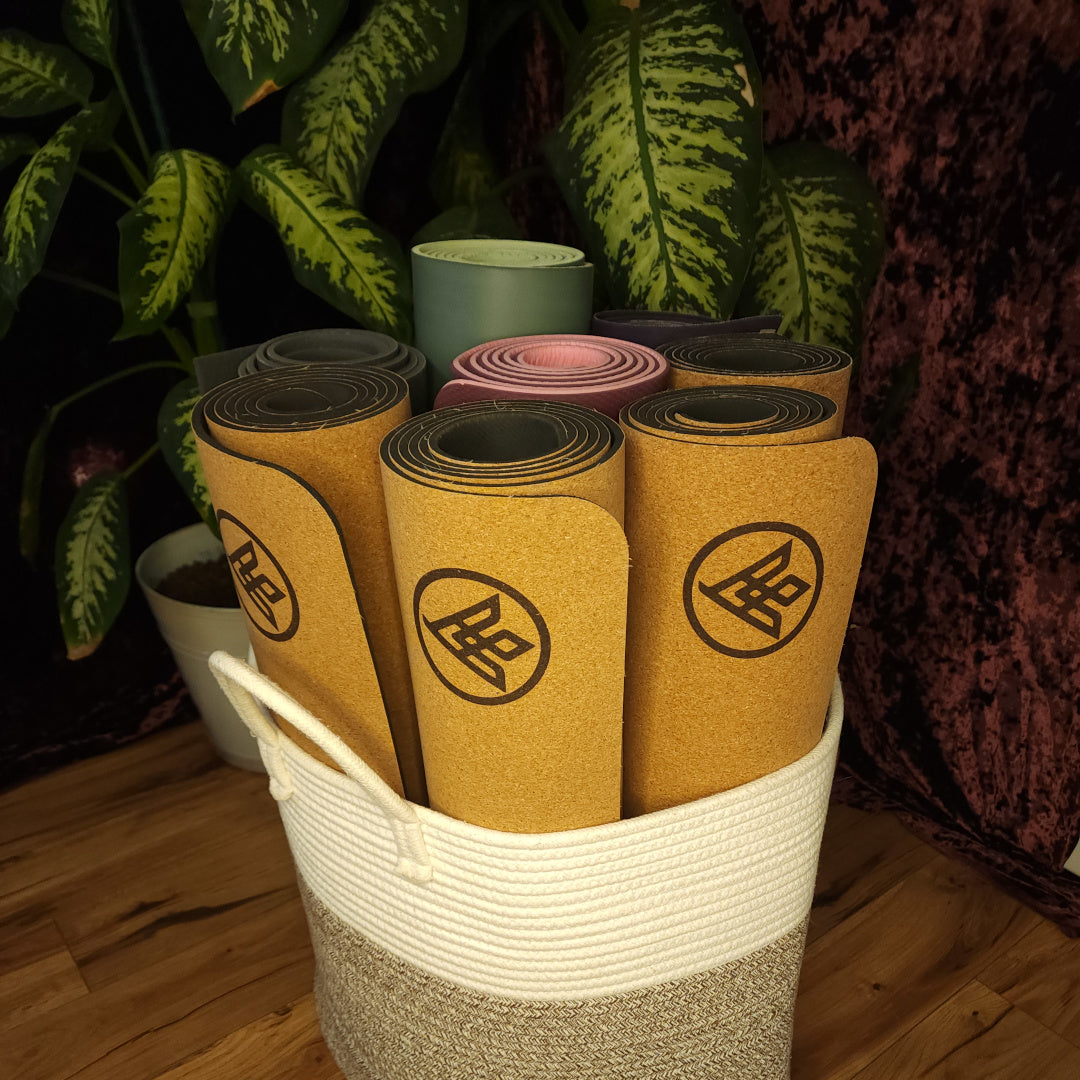
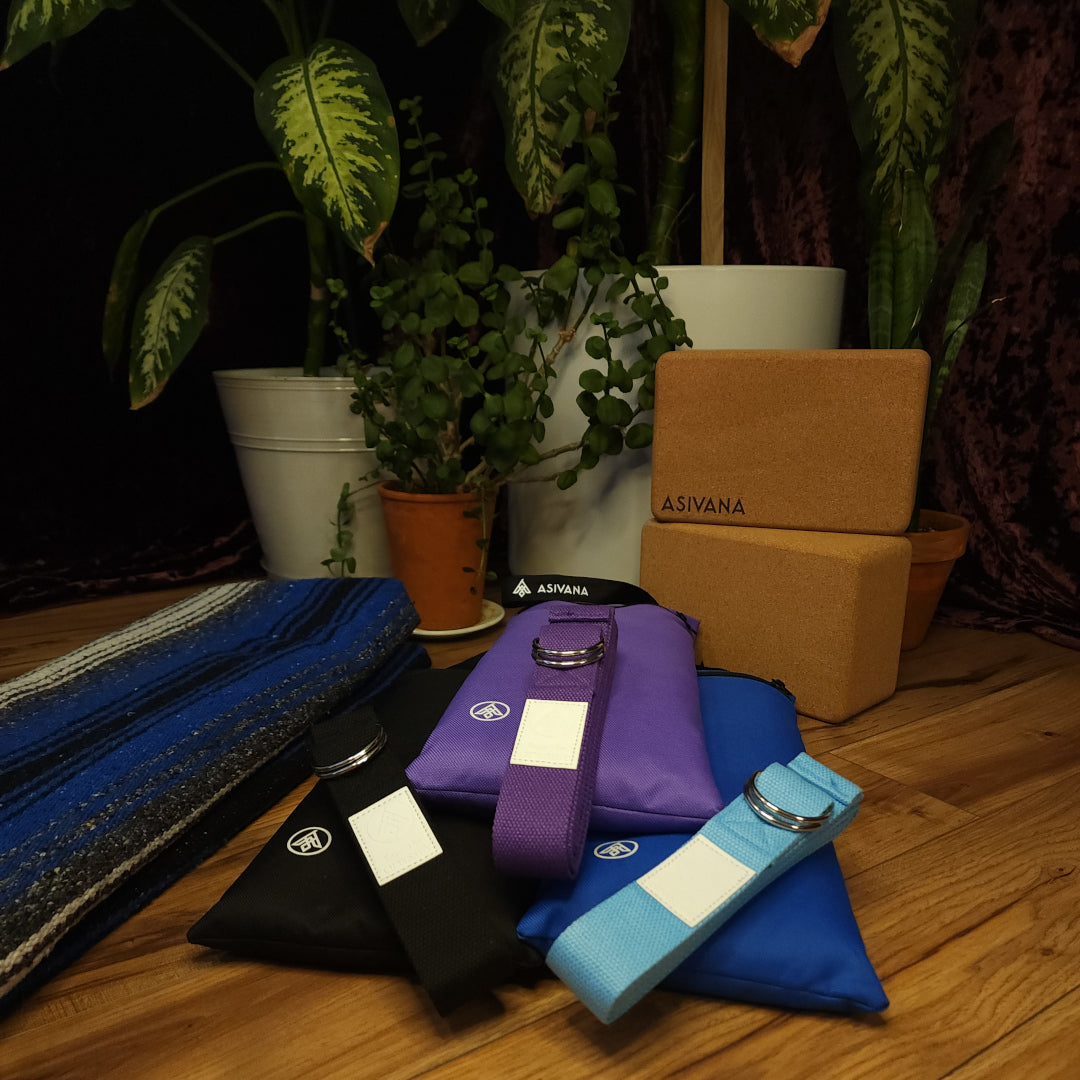
If you are purchasing a new mat, focus on choosing one that matches your practice style and expected use. A mat that fits your needs often lasts longer because it is being used as intended. Asivana Yoga offers yoga mats and practice accessories designed to support a consistent practice, making it easier to build habits that also help extend the life of your equipment.
Choosing habits that protect your investment
Many people asking how long do yoga mats last are also trying to decide whether a more durable mat is worth the investment. The answer depends less on the calendar and more on how you practice.
If you attend heated classes several times each week, expect faster wear than someone practicing restorative yoga at home. If you clean your mat regularly, avoid prolonged sun exposure, and store it carefully, you are likely to enjoy a longer lifespan regardless of the material.
Paying attention to gradual changes also helps. Rather than waiting until a mat is unusable, notice when grip, comfort, or stability begin affecting your experience. Replacing a worn mat at the right time supports safer and more enjoyable practice.
FAQ
How long do yoga mats last with daily use?
Daily practice creates more wear than occasional use. Lifespan varies by material and care, but frequent practitioners should expect to monitor grip and cushioning regularly.
Can cleaning a yoga mat make it last longer?
Yes. Removing sweat, oils, and dirt helps maintain the surface. Always follow the care instructions recommended for your specific mat.
Is it safe to keep using a worn yoga mat?
If the mat has lost grip, developed cracks, or no longer provides stable support, replacing it is generally the safer choice.
Why is my yoga mat becoming slippery?
Surface buildup, natural wear, or material aging can all reduce traction. Cleaning may restore grip if buildup is the cause. If wear is permanent, replacement may be appropriate.
Should I replace my mat if it has cosmetic marks?
Small scuffs and discoloration are usually normal. Replacement is more important when performance, comfort, or safety are affected.