One Yoga Block or Two
Jack UtermoehlIf you are wondering about one yoga block or two, the short answer is that both are useful. One block is enough for many standing poses, seated stretches, and home practices. Two blocks create balanced support, give you more setup options, and are especially helpful for restorative poses, backbends, and students who benefit from even support on both sides of the body. Your choice depends on how you practice and the kinds of poses you return to most often.

When One Yoga Block Is Enough
A single yoga block can support a wide range of poses and is often the first prop students purchase. If you mainly use a block to bring the floor closer, one block covers many common needs.
Examples include Triangle Pose, Half Moon Pose, Extended Side Angle, seated forward folds, and simple hip openers. In these poses, the block usually supports one hand or one part of the body at a time.
For newer practitioners, one block also helps develop confidence. Instead of reaching beyond your current range of motion, you can place the block under your hand and maintain better alignment while breathing comfortably.

Why Two Yoga Blocks Offer More Options
Two blocks provide symmetry. When both hands, shoulders, hips, or legs need equal support, having a matching pair creates a more stable setup.
Using two blocks can be especially helpful for:
- Supported Bridge Pose with adjustments during setup.
- Restorative reclining poses where both arms or shoulders need equal height.
- Forward folds with one block under each hand.
- Lizard Pose when both hands benefit from the same level of support.
- Seated meditation when experimenting with different sitting heights.
Teachers also frequently cue two blocks for students with limited flexibility because balanced support reduces unnecessary twisting or leaning that can develop when only one side is elevated.
Common Poses That Benefit From Two Blocks
Backbends
In supported heart-opening variations, two blocks allow the upper back and head to rest comfortably at different heights. This creates a steady foundation that encourages relaxation instead of muscular effort.
Standing Poses
Wide-legged forward folds and some balance transitions become easier when both hands have equal support. This allows your spine to lengthen more evenly while reducing the temptation to shift weight into one side.
Restorative Practice
Restorative yoga often combines blocks with blankets, bolsters, or straps. A pair of blocks expands your setup choices and makes it easier to create stable, comfortable arrangements that can be held for several minutes.

How to Decide Between One Yoga Block or Two
Think about your practice rather than searching for a universal rule.
If you attend flowing classes where blocks are occasionally suggested, one may be enough to begin. If you enjoy slower practices, restorative yoga, or spend time exploring alignment at home, two blocks will likely become useful very quickly.
You can also consider these questions:
- Do you regularly modify poses with your hands supported?
- Do you enjoy restorative or yin yoga?
- Do you want matching support under both sides of your body?
- Do you follow classes where teachers often cue two blocks?
If you answer yes to several of these questions, owning two blocks gives you greater flexibility without making your practice more complicated.
Building a Home Practice With Yoga Props
A thoughtful home practice does not require a large collection of equipment. A yoga mat, one or two blocks, and a strap can support many styles of practice.
If you are gradually building your prop collection, starting with one block is completely reasonable. As your experience grows, adding a second matching block creates more possibilities for restorative work, mobility exercises, and longer supported holds.
At Asivana Yoga, we encourage choosing props because they help you practice with greater comfort and awareness, not because you feel you need more equipment. A prop should serve your body and your intention for practice.

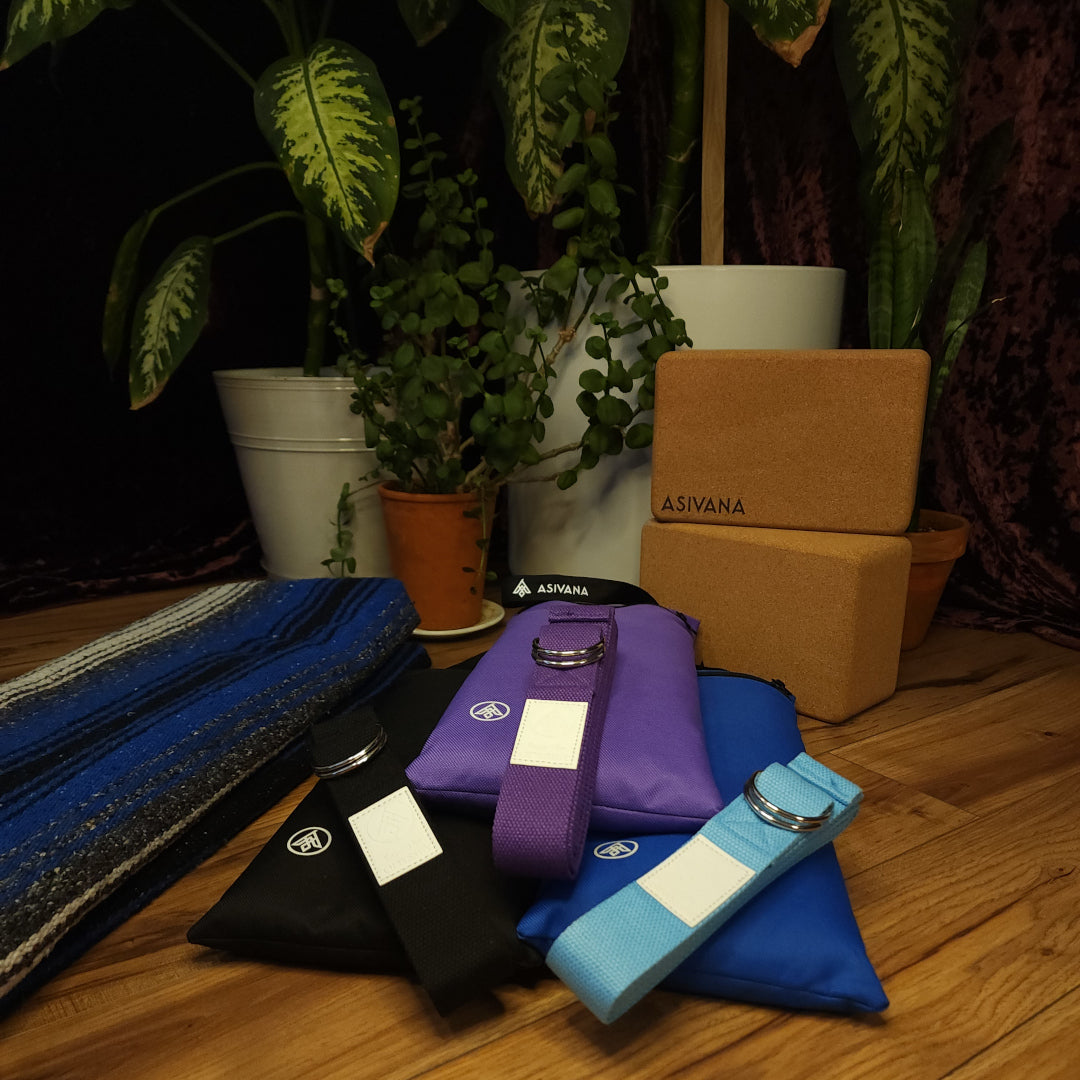
If you prefer firm cork support, the Asivana Cork Yoga Block is an option for building your prop setup. Use the same size block on each side when a pose calls for balanced support.
FAQ
Should beginners buy one or two yoga blocks?
Many beginners do well with one block, but two blocks provide more options and often make learning common modifications easier.
Can I mix different yoga blocks?
You can, although matching blocks of the same size and height create more balanced support when using two together.
Is one yoga block or two better for restorative yoga?
Two blocks are generally more versatile for restorative yoga because many supported shapes use balanced support under both sides of the body.
Do yoga studios usually provide two blocks?
Many studios keep multiple blocks available so students can choose one or two depending on the sequence being taught.
Can I start with one block and add another later?
Yes. Many practitioners begin with one block and purchase a second once they discover how often they use it during classes or home practice.