Yoga Blocks for Restorative Yoga
Jack UtermoehlYoga blocks for restorative yoga provide steady, adaptable support that helps the body settle comfortably into longer-held poses. They reduce unnecessary effort, improve alignment, and make restorative postures more accessible for different bodies and levels of flexibility. Choosing the right block and learning a few simple setup techniques can make each pose feel more balanced, supported, and sustainable during quiet, restful practice.
Why yoga blocks matter in restorative yoga
Restorative yoga is built around support. Rather than asking the body to stretch deeply or work hard, the practice encourages the nervous system to settle while the body rests in carefully arranged positions. Yoga blocks are one of the most useful props because they provide reliable height, structure, and stability.
A block can support the hands, feet, pelvis, shoulders, or head depending on the pose. Small adjustments in height often make a significant difference in comfort. When the body feels supported, muscles are more likely to soften instead of continuing to hold unnecessary tension.
Blocks also help practitioners adapt poses to their own proportions. Longer legs, tighter hips, limited shoulder mobility, or sensitive knees all change how a pose feels. A well-placed block allows the pose to meet the practitioner instead of expecting every body to fit the same shape.

Choosing the right yoga blocks for restorative yoga
Density and stability
A restorative practice benefits from blocks that feel stable under weight. A firm block provides dependable support beneath the pelvis, back, or hands without shifting unexpectedly. Stability helps create confidence when settling into longer holds.
Material preferences
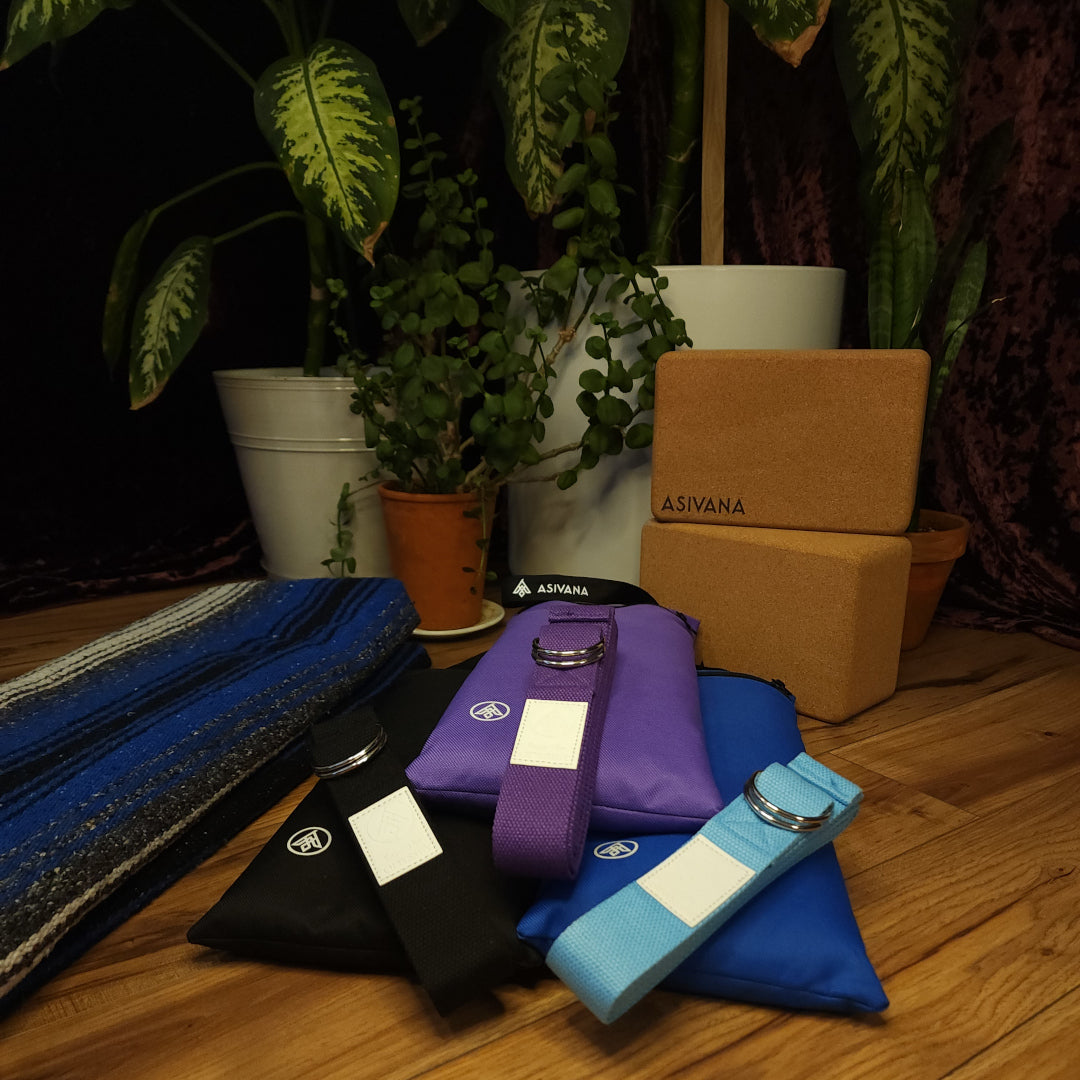
Yoga blocks are commonly available in foam, cork, and wood. Foam blocks are lightweight and comfortable for many restorative applications. Cork blocks generally offer a firmer feel and additional weight, helping them stay in place during supported poses. Wooden blocks are very firm and are often preferred by experienced practitioners who want minimal compression.
The best choice depends on personal comfort, intended use, and individual preference rather than one material being universally better.
Number of blocks
Many restorative sequences become more versatile with two blocks instead of one. A pair allows symmetrical support under both hands, both knees, or both sides of the body. Some poses also combine blocks with a bolster and folded blankets for greater comfort.
How yoga blocks work with other restorative props
Although this article focuses on yoga blocks for restorative yoga, they are usually most effective when combined with other props.
Bolsters
A bolster supports broad areas of the body, while blocks adjust height underneath the bolster or support areas the bolster cannot reach. Together they create more customized positioning.
Blankets
Folded blankets soften pressure points and provide fine adjustments that blocks alone cannot achieve. A blanket over a block can create a gentler surface beneath the head or hands.
Straps
Yoga straps help maintain comfortable positioning without muscular effort. For example, a strap can keep the feet together in a reclined pose while blocks provide support beneath the thighs.
Eye pillows and sandbags
Eye pillows encourage relaxation during resting poses. Sandbags, when appropriate and used carefully, can add gentle grounding. These props complement the structural support that blocks provide rather than replacing them.

Practical restorative poses using yoga blocks
Supported bridge pose
Place a yoga block beneath the sacrum after lifting the hips slightly. Choose the block height that allows the pelvis to rest comfortably without strain. The goal is steady support rather than creating a dramatic backbend.
Supported seated forward fold
Stack one or more blocks beneath a bolster or folded blankets so the torso can comfortably rest forward. This reduces the need to reach toward the feet and encourages the spine to soften naturally.
Reclined bound angle pose
Position blocks beneath the outer thighs if additional support is needed. This helps reduce strain around the hips and groin while allowing the legs to relax.
Child's pose support
A block beneath the forehead creates a stable resting point for the head and neck. If the hips do not comfortably reach the heels, additional props can support the pelvis or torso.
Supported side-lying rest
Blocks can raise a bolster to better match body proportions or provide support beneath the upper arm, creating greater comfort through the shoulders and chest.
Buying priorities for restorative practice
If you are building a home restorative practice, consider buying props gradually based on how you practice most often. For many practitioners, two yoga blocks provide the greatest flexibility because they can be used individually or together.
Look for blocks with consistent dimensions, stable construction, and a surface that feels comfortable to touch. Weight, firmness, and texture all influence how a block feels during longer holds.
If you are shopping through Asivana Yoga, focus on selecting yoga props that support your practice needs rather than collecting equipment you may rarely use. Thoughtful combinations of blocks, bolsters, blankets, and straps often provide more value than relying on a single prop for every pose.
The best yoga blocks for restorative yoga are the ones that encourage ease, stability, and confidence each time you practice.

The Asivana Cork Yoga Block is a firm FSC™ certified cork option with rounded edges and 9 × 6 × 4-inch dimensions. Review those dimensions alongside your planned support height and comfort preferences before selecting one block or a matching pair.
FAQ
How many yoga blocks do I need for restorative yoga?
Two blocks provide the most flexibility because many restorative poses benefit from balanced support on both sides of the body.
Are foam or cork blocks better for restorative yoga?
Both work well. Foam offers a softer feel, while cork generally provides greater firmness and stability. The better choice depends on your comfort preferences and intended use.
Can beginners use yoga blocks for restorative yoga?
Yes. Blocks make many restorative poses more comfortable and accessible by adapting the pose to your body rather than requiring extra flexibility.
Can I practice restorative yoga with only blocks?
You can practice many poses using blocks alone, although adding blankets or a bolster expands your setup options and often increases comfort.
Where should a yoga block feel supportive?
A block should create steady contact without causing pressure or discomfort. If you notice strain, adjust the height, orientation, or add a folded blanket for cushioning.