

Hot Yoga at Home: Safer Setup and Equipment Guide
Jack UtermoehlHot yoga at home requires more than raising the room temperature. You need a stable practice space, appropriate ventilation, equipment you trust, and a way to cool down if you become overheated. You can practice a Vinyasa sequence at normal room temperature when safely controlled heat is not available. The goal is a sustainable practice, not achieving the hottest room possible.
Safety checklist
Before you practice
- Clear the floor and check mat traction.
- Verify ventilation and a way to cool down.
- Avoid makeshift enclosed heating setups.
- Keep water accessible and take breaks.
- Stop if you feel dizzy, weak, confused, or unusually unwell.
What hot yoga at home means
Hot yoga is yoga practiced in an intentionally warm environment. Studios differ considerably in temperature, humidity, sequence, teacher instruction, and safety procedures. There is no single temperature required for every version of hot yoga.
A home practice may lack a studio's controlled heating, staff, and monitoring. If a safely heated room is not available, practice the same sequence at normal room temperature. The value of movement and awareness is not dependent on extreme heat.
Start with a clear, stable room
Remove obstacles, slippery rugs, loose electrical cords, and nearby furniture. Choose a solid floor with enough room to extend your arms and legs safely. Check ventilation and an accessible route to a cooler area.
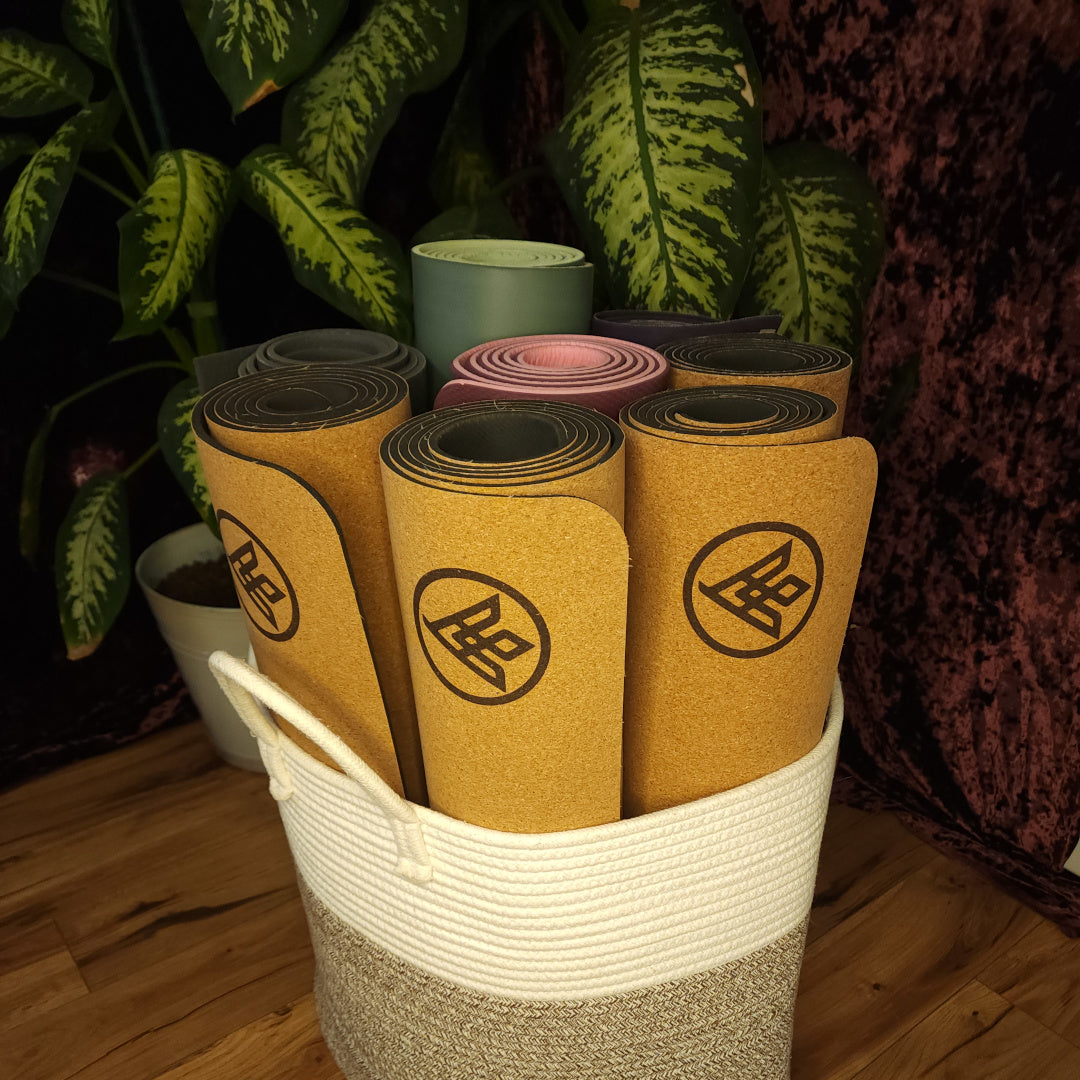
Select a mat with reliable traction for how your hands and feet feel during practice. The Asivana Cork Yoga Mat has a moisture-responsive top layer and natural rubber base. If you need extra lift, blocks are useful in lunges and standing positions.

Avoid unsafe home heating methods
Do not create a makeshift sealed tent around a heater, cover a heater with fabric, defeat temperature shutoffs, or use fuel-burning heating devices in enclosed spaces. Improvised heating can introduce fire, air-quality, and overheating hazards.
Only use existing, suitable heating equipment according to the manufacturer's and building's instructions. Heat tolerance depends on humidity, hydration, exercise intensity, health conditions, and experience. Hotter is not automatically better.
Hydration and heat illness warning signs
Have water available and take breaks in a cooler area. Dizziness, nausea, headache, weakness, and unusual fatigue can be signs of overheating. Stop exercising, move somewhere cooler, and seek medical assistance when symptoms persist or worsen.
Confusion, collapse, or suspected heatstroke requires emergency help. Read the CDC's heat-health guidance, linked below. Some medications and health conditions can make heat less tolerable; get personalized advice before practicing in excessive heat.

A practical yoga session without specialized heating
Start with several minutes of comfortable breathing and light movement. Follow with standing postures, an accessible lunge on each side, and a few gentle transitions that suit your experience. Use slower movements and rest when needed.
Finish with a cool-down and a comfortable rest. This is a reasonable home routine whether the room is warm or not. Select a video or instructor whose cues you can follow safely rather than attempting advanced poses simply because they appear in a hot yoga video.
Equipment that is worth having
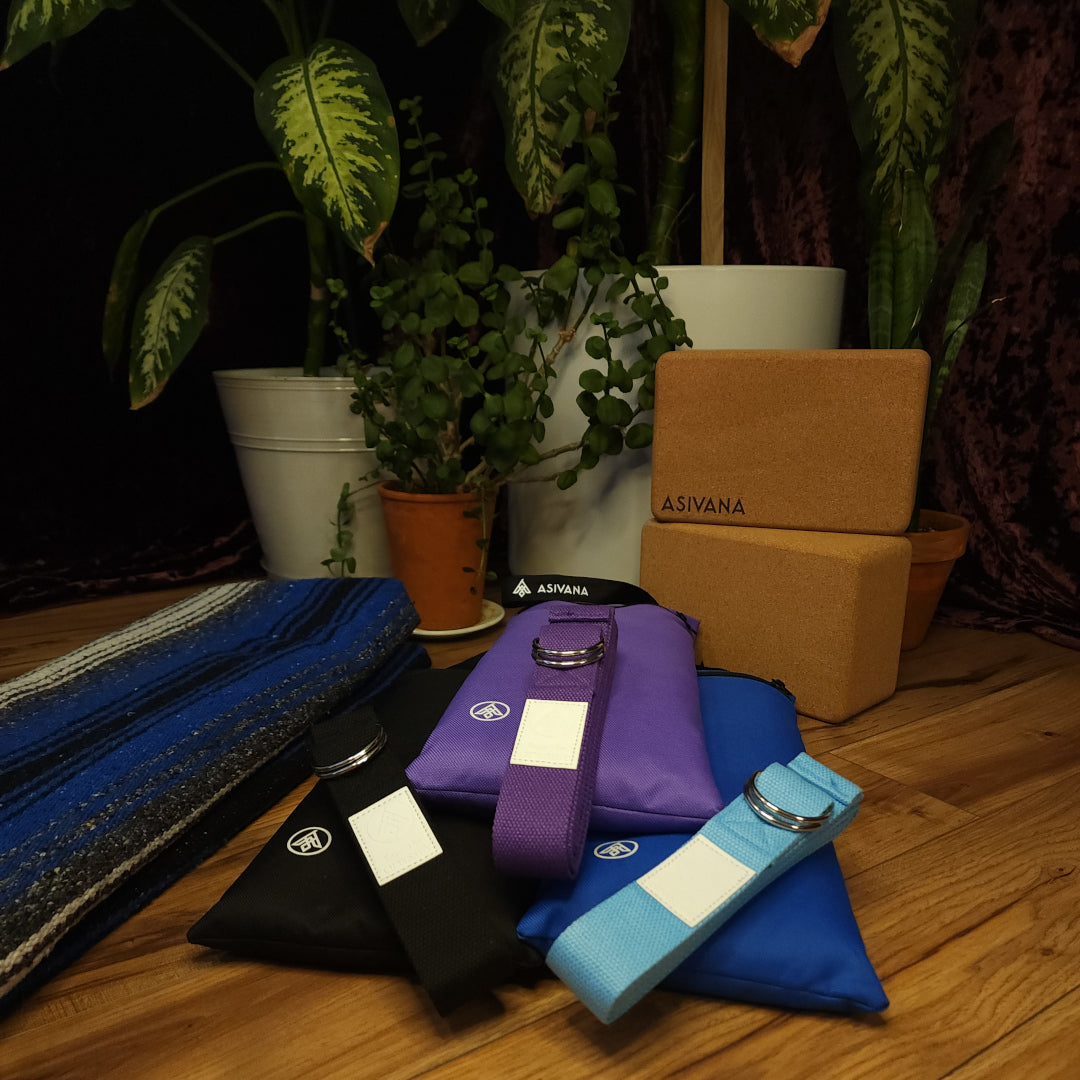
A stable mat, a towel, water, and sufficient room often cover the basics. A strap or blocks can support specific poses, but an elaborate equipment list is unnecessary. Keep any cloth or prop away from heat sources.
After use, dry the mat and towels thoroughly, and follow the mat manufacturer's cleaning recommendations. Leaving gear wet can lead to odor or deterioration. More equipment does not replace appropriate training and safe room conditions.

Do heated classes deliver extra benefits?
Sweating regulates body temperature. It does not establish that a practice detoxifies the body. Claims about cardiovascular change, flexibility, or weight loss depend on what was measured, class intensity, and the individual.
Some practitioners enjoy the feeling of a warm class, while others do better in ordinary conditions. You can improve movement skill, coordination, strength, and attention through non-heated practice as well.
When to change the plan
If your room gets uncomfortable, the mat or floor feels slippery, or you experience pain or symptoms of overheating, stop and reassess. A good home setup is one you can practice in consistently without needing to tolerate unnecessary risk.
Pregnancy, prior heat illness, certain medical conditions, and medicines affecting temperature regulation warrant individualized caution. A general online guide cannot establish that a heated routine is appropriate for every reader.
For class pacing, read Hatha Yoga vs Vinyasa. For mat maintenance, see Care for Yoga Mats. Additional heat-health information is available from the CDC.
Frequently asked questions
Do I need a special heating system for yoga at home?
No. A room-temperature practice is a useful alternative when safe heating is unavailable.
Is hotter always better?
No. Heat adds physical demands and risks; it is not a universal indicator of quality.
What if I feel dizzy?
Stop immediately, go somewhere cooler, and seek medical help if symptoms warrant it.


1 comment
Loved the insights on practicing hot yoga at home! Practical tips and helpful guidance for building a consistent home routine!