Why Is My Yoga Mat Slippery
Jack UtermoehlIf you are asking why is my yoga mat slippery, the answer usually comes down to one or more factors: the mat is new, the surface has collected sweat, oils, or cleaning residue, the material naturally has less grip, or the mat has worn down over time. Identifying the cause helps you choose the right solution, whether that means cleaning the mat, adjusting your practice, or replacing a well-used mat.
Common reasons a yoga mat feels slippery
A yoga mat should provide enough traction to support steady movement and balance. If your hands or feet slide unexpectedly, it helps to consider when the slipping happens.
It is a brand new mat
Some mats have a factory finish that makes the surface feel smoother during the first few practices. Many improve with regular use and proper cleaning according to the manufacturer's care instructions.
Sweat changes the surface
Moisture is one of the most common reasons for slipping. Some mat materials become grippier with a small amount of moisture, while others become slick as sweat builds. If your practice is vigorous or the room is warm, moisture management becomes more important.
Body oils and lotions build up
Natural skin oils, sunscreen, and lotions can leave a thin film on the mat. Over time this reduces friction and makes the surface feel less secure.
Cleaning residue remains on the mat
Using soaps or household cleaners that leave residue can create a slippery surface. Cleaning products should be appropriate for the mat material and thoroughly wiped away if recommended by the manufacturer.
The mat is wearing out
Every yoga mat has a usable lifespan. As the surface texture breaks down, grip often decreases. If the mat has visible wear, flattened texture, or areas that consistently feel slick even after cleaning, it may be time to replace it.

How yoga mat materials affect grip
The material of a yoga mat has a significant influence on how it feels under your hands and feet.
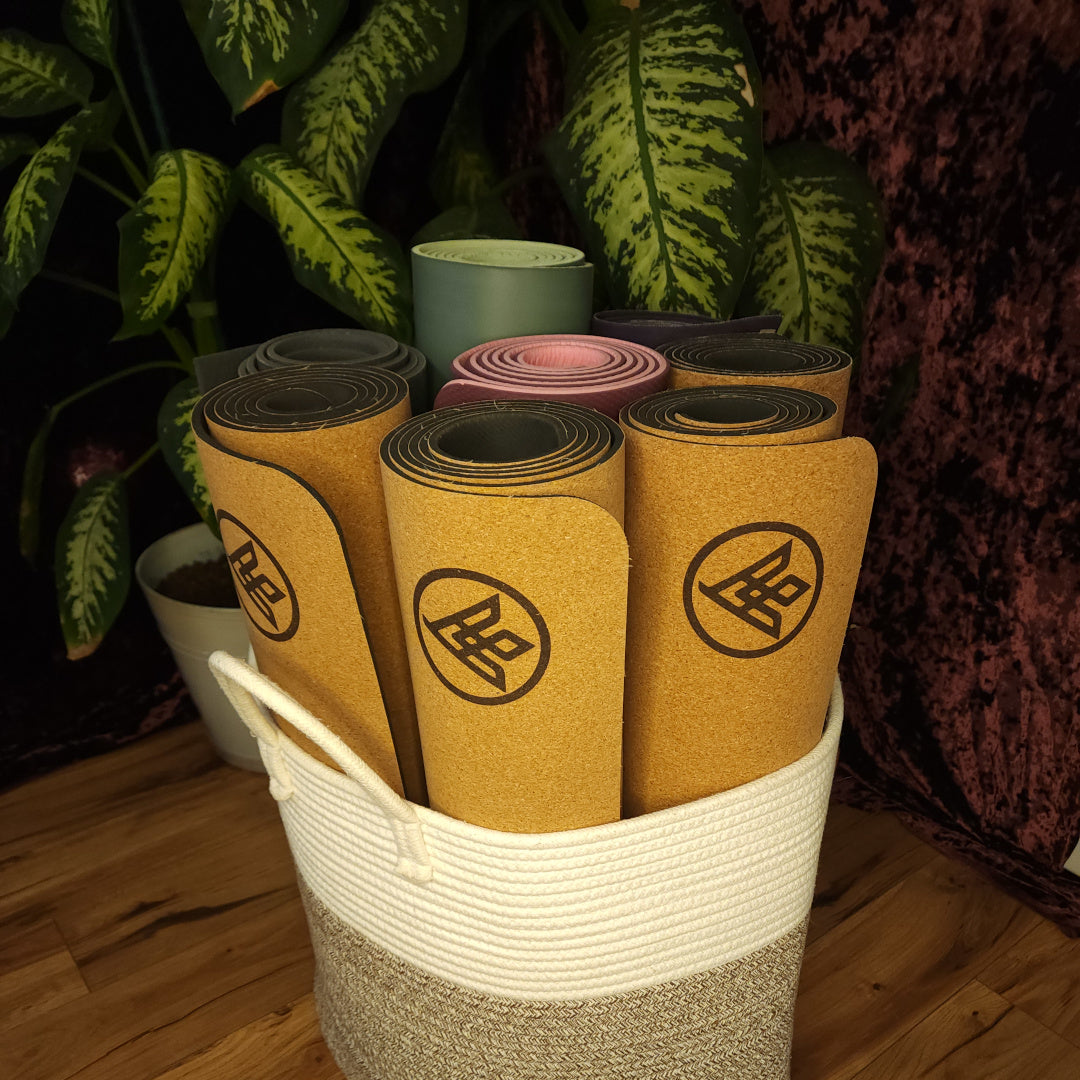
PVC mats often provide consistent cushioning and durability, but grip varies by surface texture and finish. Natural rubber mats are widely appreciated for traction, though they require proper care and may not suit those with latex allergies. Cork surfaces often become grippier with light moisture, making them appealing for practitioners who sweat during practice. TPE and other foam materials can feel comfortable underfoot, but grip depends on the specific construction.
No single material is best for everyone. Your practice style, environment, and personal preference all influence which surface feels most stable.
How to make a slippery yoga mat less slippery
If your mat is still in good condition, a few practical steps often improve traction.
- Clean the mat regularly using care methods recommended for its material.
- Allow the mat to dry completely before rolling or using it.
- Avoid applying lotions or oils immediately before practice.
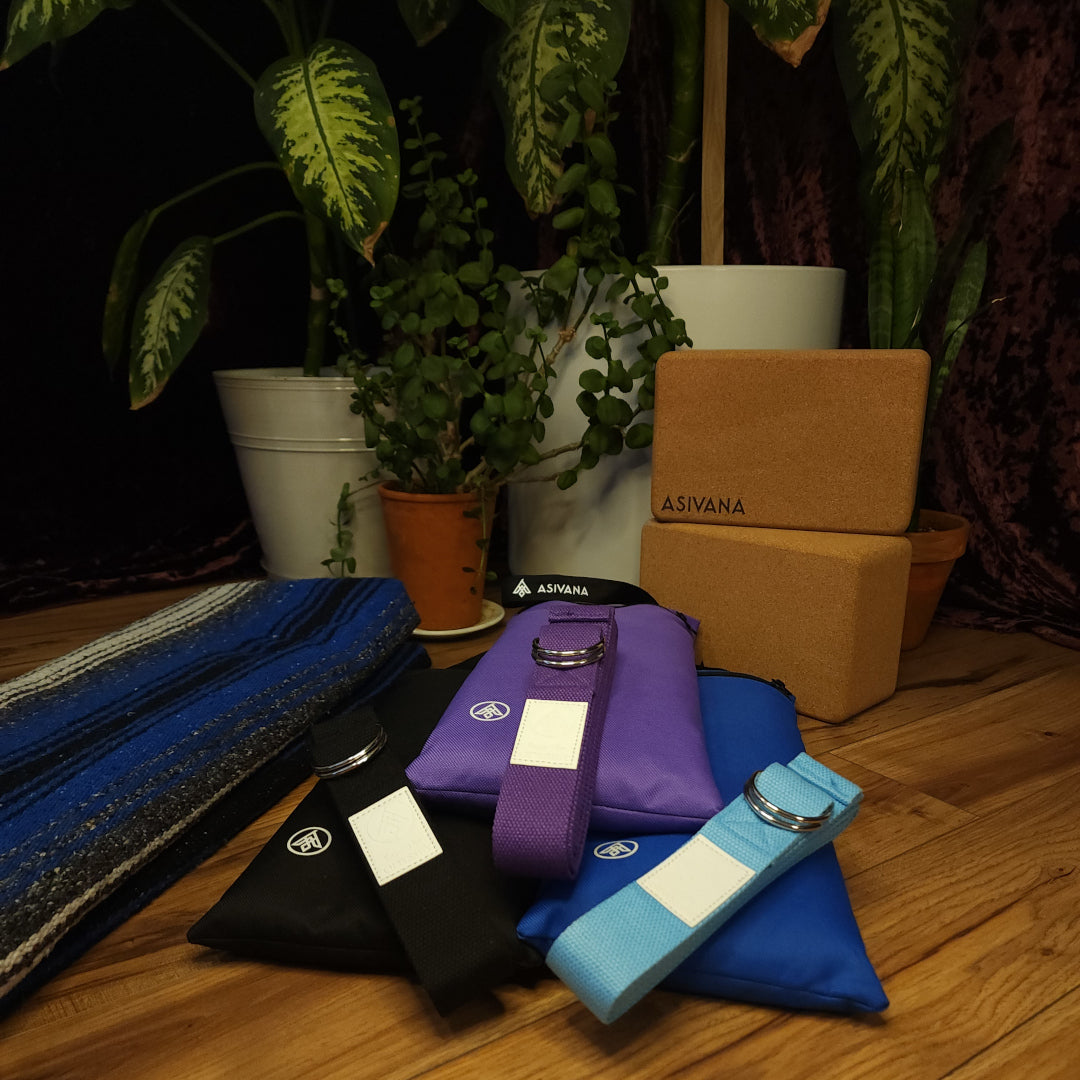
- Use a yoga towel if you sweat heavily, especially during heated classes.
- Practice consistently on the mat if it is new and expected to break in with use.
If you continue asking why is my yoga mat slippery after trying these steps, inspect the surface closely. A worn texture cannot usually be restored through cleaning alone.
When your environment contributes to slipping
The room where you practice can affect grip just as much as the mat itself.
High humidity and warm temperatures increase perspiration. Cold floors can create condensation in some environments. Dust, pet hair, and small particles on the floor can transfer onto the mat and reduce traction.
Keeping the practice space clean and storing the mat rolled in a dry location helps maintain the surface. If you travel with your mat, unroll it after practice so moisture does not remain trapped inside the roll.

When it is time to replace your yoga mat
Regular practice gradually compresses and smooths the surface of any mat. Replacement becomes reasonable when cleaning no longer improves grip, the top layer is visibly worn, pieces begin to flake, or the mat no longer feels stable during standing poses and transitions.
If you are shopping for a replacement, think about how you actually practice. Someone who enjoys slower classes in a cool room may prefer different characteristics than someone who practices vigorous flows several times each week. At Asivana Yoga, we encourage choosing yoga mats and accessories based on how they support your individual practice rather than following trends.
If you are comparing moisture-responsive surfaces, the Asivana Cork Yoga Mat uses cork that becomes grippier as moisture increases. For an Asivana mat you already own, start with the Asivana Cork Yoga Mat care guide before deciding whether replacement is necessary.
FAQ
Why is my new yoga mat slippery?
Some new mats have a surface finish from manufacturing that improves after regular use and proper cleaning. Always follow the care guidance provided for your specific mat.
Can I use household cleaners on my yoga mat?
Many household cleaners can leave residue or affect certain materials. It is safer to use cleaning methods recommended for your mat.
Does sweat always make a yoga mat slippery?
No. Some materials lose traction with sweat, while others become grippier with light moisture. A yoga towel can help if sweat is affecting your grip.
How often should I clean my yoga mat?
Light cleaning after regular practice and more thorough cleaning as needed helps reduce oils, sweat, and dirt that can affect traction.
How do I know if my yoga mat is worn out?
If the surface remains slippery after cleaning, the texture has flattened, or there is visible damage, replacement is often the best option.