Yoga Blanket
Jack UtermoehlA yoga blanket is a versatile yoga prop that adds comfort, support, warmth, and stability during practice. It can cushion sensitive joints, create height in seated poses, support restorative postures, and help the body relax more fully during final relaxation. Choosing the right yoga blanket depends on how you practice, the level of support you need, and where you plan to use it.
What Is a Yoga Blanket?
A yoga blanket is a folded textile used to adapt poses to the needs of the individual practitioner. Unlike an ordinary throw blanket that is designed mainly for warmth, a yoga blanket is commonly folded into firm, supportive shapes that can be adjusted throughout practice.
Teachers regularly use blankets in restorative yoga, Iyengar-inspired classes, gentle yoga, prenatal yoga, meditation, and accessible yoga. They are equally useful in active practices when extra cushioning or support improves comfort and alignment.
A single blanket can serve many purposes because it can be folded into different heights and shapes. That flexibility makes it one of the most practical yoga props for both home practitioners and studios.
How a Yoga Blanket Supports Your Practice
Support for seated postures
Sitting on a folded blanket gently raises the hips above the knees. For many people, this makes it easier to maintain a neutral spine during meditation, breathwork, or seated forward folds.
Cushioning for joints
Knees, ankles, elbows, and wrists sometimes appreciate additional padding. A folded blanket creates a softer surface while still providing stability.
Restorative support
Blankets can support the head, neck, shoulders, or lower back during restorative poses. Small adjustments often help muscles relax because the body no longer works to hold itself comfortably.
Warmth during relaxation
Body temperature naturally drops during Savasana and longer relaxation practices. Covering yourself with a blanket helps maintain comfort so attention can remain on rest instead of feeling cold.
Gentle alignment adjustments
A carefully folded blanket can reduce strain by changing the angle of a pose. For example, placing a blanket beneath the heels in a squat or beneath the shoulders in certain supported positions may improve comfort for some practitioners.
For hands-on folding and placement examples, visit our guide to using a yoga blanket. Blankets also pair well with other supports, as covered in yoga props for restorative yoga.
Common Ways to Use a Yoga Blanket
Under the hips
One of the simplest uses is sitting on a folded blanket during cross-legged positions. This can reduce rounding in the lower back and make longer periods of sitting more comfortable.
Beneath the knees
In kneeling positions such as Hero Pose or tabletop, a folded blanket provides extra cushioning for sensitive knees.
Supporting the head
During restorative poses or relaxation, a thin fold beneath the head can help keep the neck in a neutral position.
Under the shoulders
Some yoga traditions use folded blankets beneath the shoulders during Shoulderstand to help create space for the neck. This setup should be learned with qualified instruction because proper placement matters.
Wrapped around the body
Using a blanket for warmth during meditation or Savasana helps many practitioners remain comfortable without unnecessary muscle tension.
How to Choose a Yoga Blanket
There is no single best blanket for every practitioner. Consider how you plan to use it most often.
Firmness
If you want stable support beneath the hips or shoulders, a denser blanket generally creates a more secure foundation. Softer blankets may be more comfortable for covering the body during relaxation.
Size
A larger blanket offers more flexibility because it can be folded into multiple configurations or fully cover the body during rest.
Weight
A heavier blanket often stays in place better when folded, while a lighter option may be easier to transport to classes.
Ease of care
If you practice frequently, choose a blanket that fits your preferred cleaning routine. Regular washing helps keep shared props fresh and comfortable.
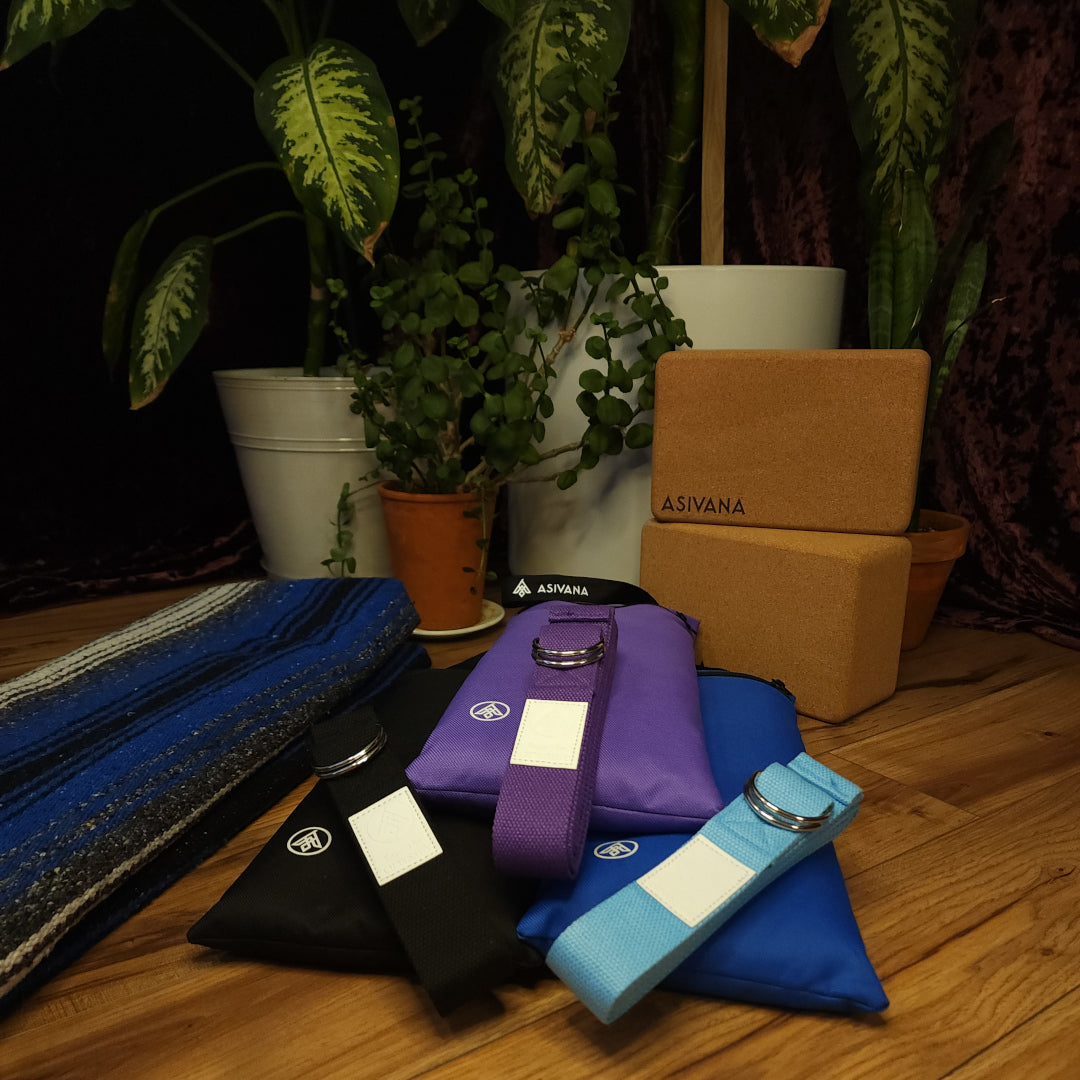
If you are building a home practice space, it can be helpful to include a yoga blanket alongside other common prop categories such as blocks, straps, or bolsters. Each serves a different purpose, and together they allow you to adapt practice to changing needs without forcing a pose.
Yoga Blanket Compared With Other Yoga Props
A blanket differs from other props because of its flexibility.
A yoga block creates a fixed height and firm support. A blanket allows gradual adjustments by changing how it is folded.
A bolster provides larger, softer support for restorative poses. A blanket can supplement a bolster by filling smaller gaps around the neck, knees, or arms.
A strap helps extend reach and improve accessibility in certain poses. A blanket focuses on comfort, support, and positioning rather than increasing range.
Many experienced teachers combine several props together because small adjustments often create a more sustainable practice.
Care and Storage Tips
Keeping your yoga blanket clean extends its useful life and creates a more comfortable practice experience.
- Wash according to the care instructions for the specific blanket.
- Allow it to dry fully before folding and storing.
- Fold neatly after each use so it is ready for practice.
- Store in a clean, dry location away from excess moisture.
If you practice in a shared studio, following studio cleaning guidelines helps maintain a welcoming environment for everyone.
FAQ
Can I use a regular blanket instead of a yoga blanket?
Yes. A regular blanket can work for many purposes if it folds firmly enough to provide stable support. Yoga blankets are often chosen because they hold their shape well during practice.
Do beginners need a yoga blanket?
A blanket can be helpful for practitioners at any experience level. It supports comfort and makes many poses more accessible without changing the intention of the practice.
How many yoga blankets should I have?
One blanket is enough for many home practitioners. Those who enjoy restorative yoga or teach classes may appreciate having two or more for additional setup options.
Is a yoga blanket only for restorative yoga?
No. While it is common in restorative classes, a yoga blanket is useful in meditation, seated poses, kneeling positions, relaxation, and many alignment-focused practices.
Should I buy a yoga blanket if I already own blocks?
Blocks and blankets serve different purposes. Blocks provide firm height, while blankets offer adjustable cushioning, warmth, and adaptable support. Many practitioners find both valuable.