How to Use a Yoga Blanket
Jack UtermoehlA yoga blanket is a versatile prop that can support alignment, improve comfort, and make many poses more accessible. Understanding how to use a yoga blanket begins with learning a few simple folds and placements. Once you know where to position the blanket under your body, behind your back, or over yourself for warmth, you can adapt it to seated poses, kneeling postures, restorative yoga, meditation, and final relaxation with confidence.
Why use a yoga blanket?
Yoga blankets are often associated with restorative classes, but they are valuable in nearly every style of practice. They provide gentle support without dramatically changing the shape of a pose. A folded blanket can reduce pressure on joints, create a more stable foundation, and help you maintain steady breathing when your body is more comfortable.
Unlike firmer props such as blocks, blankets are flexible. You can fold them into different heights, roll them for targeted support, or unfold them completely for warmth during relaxation. That versatility makes them one of the first props many experienced teachers reach for.

How to fold a yoga blanket for different types of support
Flat fold
A flat fold creates broad, even cushioning. This works well beneath knees, hips, elbows, or the entire body during restorative poses.
Rectangle fold
Folding the blanket into a long rectangle creates a stable lift for sitting. This is one of the most common ways to support the pelvis in seated postures and meditation.
Rolled blanket
Rolling the blanket creates gentle support for the neck, ankles, knees, or lower back. A rolled blanket can also be placed beneath the knees during relaxation to reduce tension in the lower back.
Compact square fold
A thicker square fold provides more height. This is useful when kneeling, supporting the head, or creating a firm base beneath the sitting bones.
You do not need a perfect fold every time. The goal is stable, comfortable support that helps you remain steady in the pose.
Ways to use a yoga blanket in common yoga poses
Seated poses
Many practitioners benefit from sitting on a folded blanket. Raising the hips slightly above the knees allows the pelvis to tip forward more naturally, making it easier to lengthen the spine without excessive effort.
Try this in Easy Pose, Bound Angle Pose, Staff Pose, or seated forward folds.
Kneeling poses
If your knees are sensitive, place a folded blanket beneath them during poses such as Low Lunge or Tabletop. Extra padding can reduce pressure while allowing you to focus on alignment instead of discomfort.
Shoulder Stand preparation
Some yoga traditions use neatly folded blankets beneath the shoulders during Shoulder Stand to create space for the neck. This setup should be learned from a qualified teacher because blanket height and placement are important for safety.
Supine poses
Place a rolled blanket beneath the knees during Savasana or reclined stretches. Supporting the legs often softens the lower back and encourages deeper relaxation.

Using a yoga blanket for restorative yoga and meditation
Blankets are central to restorative yoga because they help the body settle comfortably for longer holds. They can support almost every part of the body depending on the pose.
For a supported reclining position, fold a blanket beneath the head while placing another beneath the knees. If you become cool during stillness, unfold a blanket over the body to retain warmth, helping your muscles remain relaxed.
During meditation, sitting on a folded blanket can improve posture by allowing the pelvis to find a neutral position. If your knees do not comfortably reach the floor, additional blankets beneath the thighs can reduce strain.
Small adjustments often make a significant difference. A little extra support can help you stay present instead of constantly shifting to find comfort.
Combining a yoga blanket with other props
A blanket works well alongside other yoga props. Each prop serves a different purpose, and together they create more personalized support.
For example, you might sit on a folded blanket while using blocks beneath your hands in a forward fold. During restorative practice, a bolster can support the spine while a blanket cushions the head or covers the body for warmth. A strap can assist with reaching the feet while a blanket provides a comfortable seat.
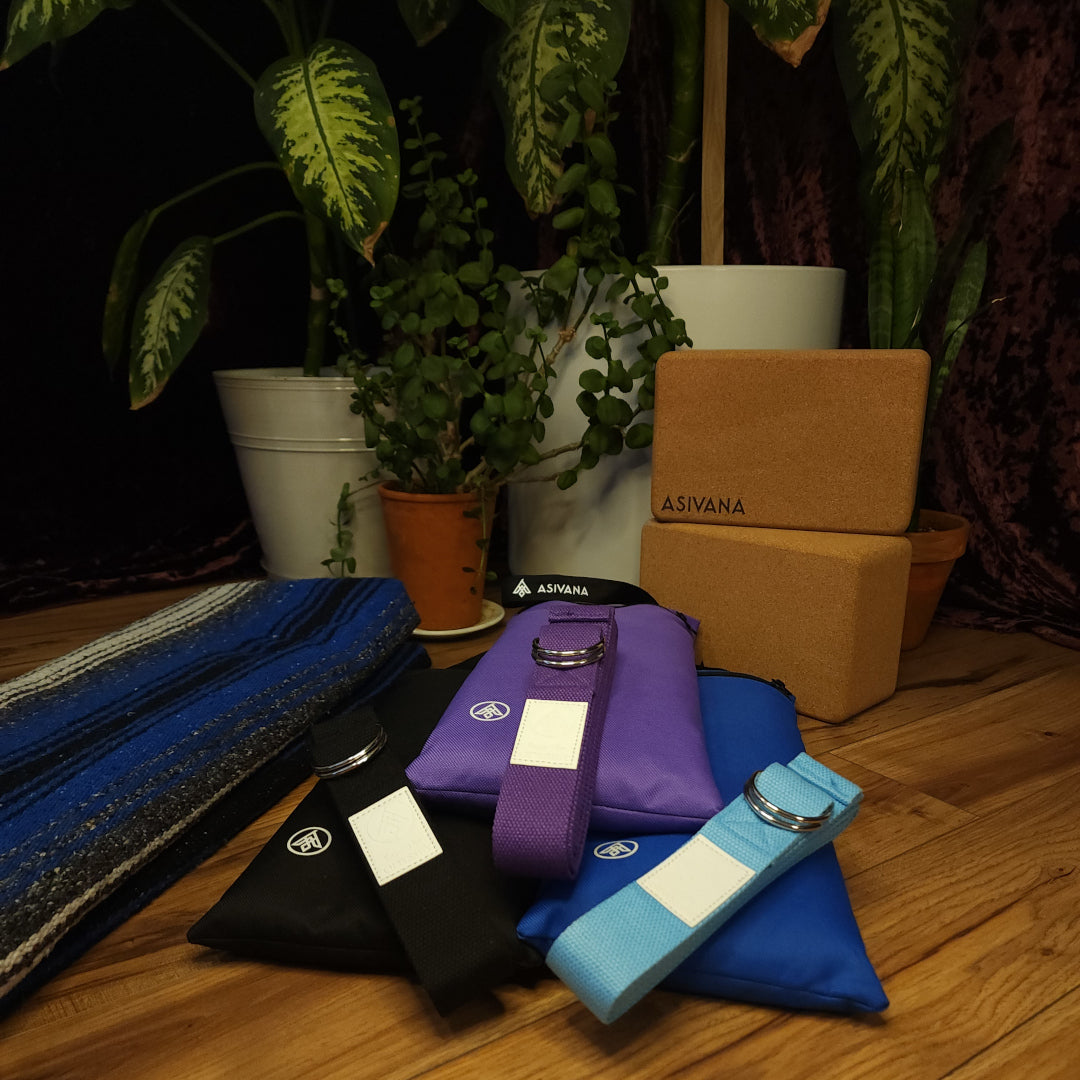
If you are building a home practice space, adding a yoga blanket alongside other essential props creates many options without requiring complicated equipment. Asivana Yoga offers yoga prop categories that can help practitioners create supportive practice environments while choosing only what they genuinely need.

Common mistakes and simple adjustments
Many people assume more height always means better support. In reality, the right amount depends on your body and the pose. If you feel unstable, reduce the height of the blanket. If your spine rounds excessively while sitting, try adding another fold.
Avoid placing wrinkled blankets beneath weight-bearing joints. Smooth folds provide more even support and reduce pressure points.
If you are using a blanket beneath the head, keep the neck in a neutral position. Too much height may cause unnecessary strain.
Remember that props are tools for exploration. Experiment with different folds until you find a setup that allows relaxed breathing and steady posture.
FAQ
Can I use a regular blanket instead of a yoga blanket?
Yes. A regular blanket can work if it folds firmly and stays in place. Dedicated yoga blankets are often denser, making them easier to stack and shape consistently.
How many yoga blankets do I need?
One blanket is enough for many practices. Two or more provide additional options for restorative yoga and longer relaxation sessions.
Is a yoga blanket only for beginners?
No. Teachers and experienced practitioners regularly use blankets to refine alignment, increase comfort, and support longer holds.
How do I know if my blanket is helping?
If your breathing becomes easier, your posture feels more sustainable, and you can remain in the pose with less unnecessary tension, the blanket is likely providing effective support.
How often should I use a yoga blanket?
Use it whenever additional support improves comfort or alignment. Many practitioners include a blanket in nearly every practice, even if only for seated poses or Savasana.