Yoga Props for Meditation
Jack UtermoehlYoga props for meditation are tools that support a comfortable, steady posture so your attention can rest on your breath, body, or chosen meditation practice instead of physical discomfort. The right combination of props can reduce strain in the hips, knees, ankles, and lower back while encouraging an upright, relaxed seat. Rather than changing meditation itself, props help create conditions that make regular practice more accessible and sustainable.
Why meditation props matter
Many people assume meditation requires sitting cross legged on the floor without support. In reality, comfort and stability are important parts of a sustainable meditation practice. If your body is working hard to hold you upright, your attention is more likely to drift toward discomfort.
Yoga props create a foundation that supports natural alignment. When the pelvis is slightly elevated, the spine often finds a more neutral position. Supporting the knees or ankles can reduce unnecessary tension. A warm blanket can help the body relax during longer sessions.
Using props is not a shortcut or a sign that you are less experienced. Experienced teachers often encourage thoughtful prop use because it allows practitioners to spend more time developing awareness instead of managing avoidable physical strain.
Essential yoga props for meditation
Meditation cushion or zafu
A meditation cushion raises the hips above the knees, making it easier for many people to sit comfortably. This slight elevation can encourage the pelvis to tip forward naturally, supporting an upright spine without excessive muscular effort.
Choose a height that allows your knees to move toward the floor while keeping your seat comfortable. Some practitioners prefer a firmer cushion for stability, while others enjoy a slightly softer feel.
Yoga bolster
A yoga bolster provides broader support than a meditation cushion. It works well for people who need more height or who enjoy supported seated meditation against a wall. Bolsters are also useful during restorative meditation practices where the body is encouraged to soften into support.
Yoga blankets
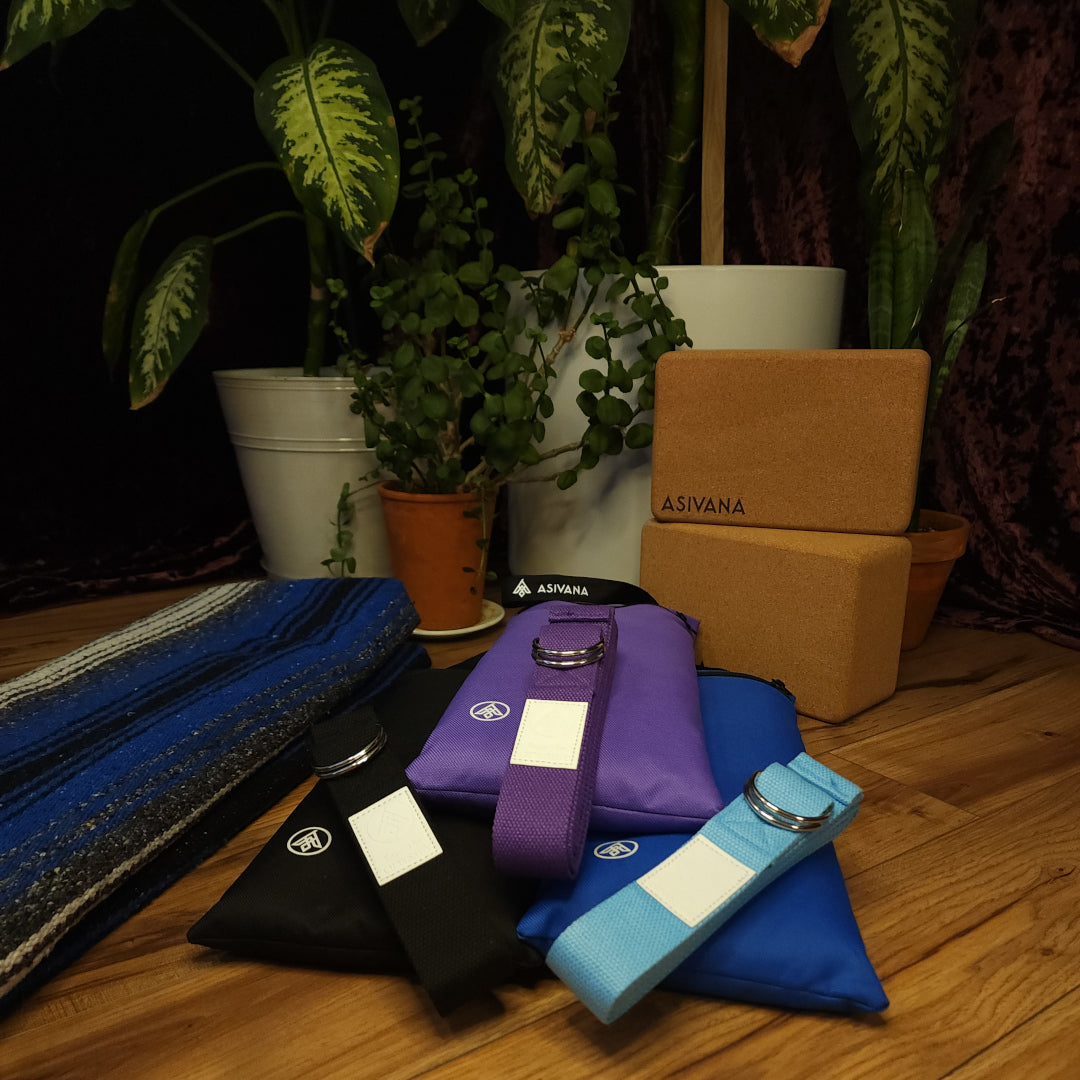
Folded yoga blankets are among the most versatile yoga props for meditation. They can raise the hips, cushion the ankles, support the knees, or provide warmth during stillness. Because blankets are easy to fold into different heights, they allow small adjustments that can make a noticeable difference.
Yoga blocks
Blocks are commonly associated with yoga poses, but they also have practical uses during meditation. A block can support a cushion, lift the seat, or rest beneath the hands during kneeling meditation. They can also provide support beneath the knees when flexibility is limited.
Yoga strap
A yoga strap is less common during seated meditation itself, but it can support preparation. Gentle stretches for the hips, hamstrings, or shoulders before sitting may help some practitioners settle more comfortably.
Eye pillow
An eye pillow can be helpful during guided meditation, yoga nidra, or reclining practices. The gentle darkness encourages relaxation by reducing visual stimulation. It is generally less useful during upright seated meditation where alertness is the primary goal.
Choosing the right sitting position
The best meditation posture is one you can maintain with steady attention and reasonable comfort. Different bodies benefit from different setups.
Cross legged on a cushion
This is one of the most familiar meditation positions. Place the cushion beneath your sitting bones so the hips sit slightly higher than the knees. If your knees remain lifted or uncomfortable, slide folded blankets or blocks beneath them for support.
Kneeling with support
Some practitioners prefer kneeling. A bolster or firm cushion placed between the feet creates a comfortable seat while reducing pressure on the knees and ankles. Blankets beneath the knees can add additional cushioning.
Sitting against a wall
If maintaining an upright spine is difficult, sitting with gentle wall support can reduce fatigue. Keep enough space so you are not leaning heavily into the wall. The goal is to receive light support while remaining actively upright.
Chair meditation
Meditation does not have to happen on the floor. Sitting in a chair with both feet grounded is a practical option for many people. A folded blanket behind the lower back or beneath the feet can improve comfort and alignment.
For a compact setup that can serve seated practice and movement, compare the recommendations in our yoga props for home practice guide. Our article on how to use a yoga blanket shows how folded layers can raise and support the sitting position.
How to build a simple meditation setup
You do not need every available prop. Begin with what supports your body and your practice.
A simple setup might include a folded blanket beneath the hips and another beneath the knees. Someone with tighter hips may benefit from a meditation cushion plus blanket support. Longer sessions may include an additional blanket for warmth or an eye pillow during reclining relaxation afterward.
Before beginning, take a few moments to notice where your body feels supported and where unnecessary effort remains. Small adjustments often make a larger difference than replacing one prop with another.
If you are building a home practice space, choosing quality yoga props that you enjoy using can encourage consistency. Asivana Yoga offers meditation and yoga prop categories designed to support thoughtful practice. Rather than collecting many accessories, focus on selecting versatile props that suit your individual needs.
How to choose yoga props for meditation
When selecting yoga props for meditation, begin by considering your body rather than following a standard setup.
- If your hips feel tight while sitting, prioritize additional height through a cushion, bolster, or folded blankets.
- If your knees or ankles become uncomfortable, add soft support beneath them.
- If you practice for longer periods, consider warmth and sustained comfort with blankets or an eye pillow for relaxation after meditation.
- If space is limited, blankets and blocks often provide the greatest versatility.
It is also worth considering how your props fit into your broader yoga practice. Blankets, blocks, bolsters, and straps can support movement practices as well as meditation, making them practical additions for many practitioners.
FAQ
Do I need yoga props for meditation?
No. They are optional, but many people find they improve comfort and help maintain an upright posture for longer periods.
Which prop should I buy first for meditation?
A folded yoga blanket or meditation cushion is often the most useful starting point because it supports the pelvis and adapts to different sitting positions.
Can I meditate in a chair instead of on the floor?
Yes. A stable chair with both feet supported can be an excellent meditation seat. Good posture and comfort matter more than sitting on the floor.
Are bolsters better than meditation cushions?
They serve different purposes. Cushions are designed primarily for seated meditation, while bolsters provide broader support and work well for restorative practices and supported sitting.
How long should I sit when starting meditation?
Many people begin with five to ten minutes. As your comfort and consistency develop, you can gradually increase your sitting time if it feels appropriate.