Yoga Props for Home Practice
Jack UtermoehlYoga props for home practice help make poses more accessible, stable, and comfortable while supporting steady progress over time. A thoughtful selection of props can help you adapt postures to your body, practice with greater awareness, and create a home space that encourages consistency. You do not need a large collection. A few well chosen essentials are enough for most practitioners.
Why use props in a home yoga practice?
Props are teaching tools. They help you experience the purpose of a posture while working within your current range of motion. At home, where you may not have a teacher offering verbal cues or adjustments, they provide support that can improve comfort, balance, and body awareness.
Using props also encourages consistency. If your hips feel tight one day or your shoulders need extra support after a long workday, a block, strap, or blanket can help you continue practicing without forcing movement. Yoga is meant to meet you where you are, and props make that easier.
Many experienced teachers use props in their own practice because they reveal subtle aspects of alignment and help create steadiness in both active and restorative poses.

The essential yoga props for home practice
Yoga blocks
Blocks are among the most versatile yoga props for home practice. They effectively bring the floor closer to you, making standing poses, seated folds, twists, and balancing postures more accessible.
Common uses include placing a block under the lower hand in Triangle Pose, supporting the hips during seated meditation, or providing a stable surface beneath the sacrum in a supported bridge variation.
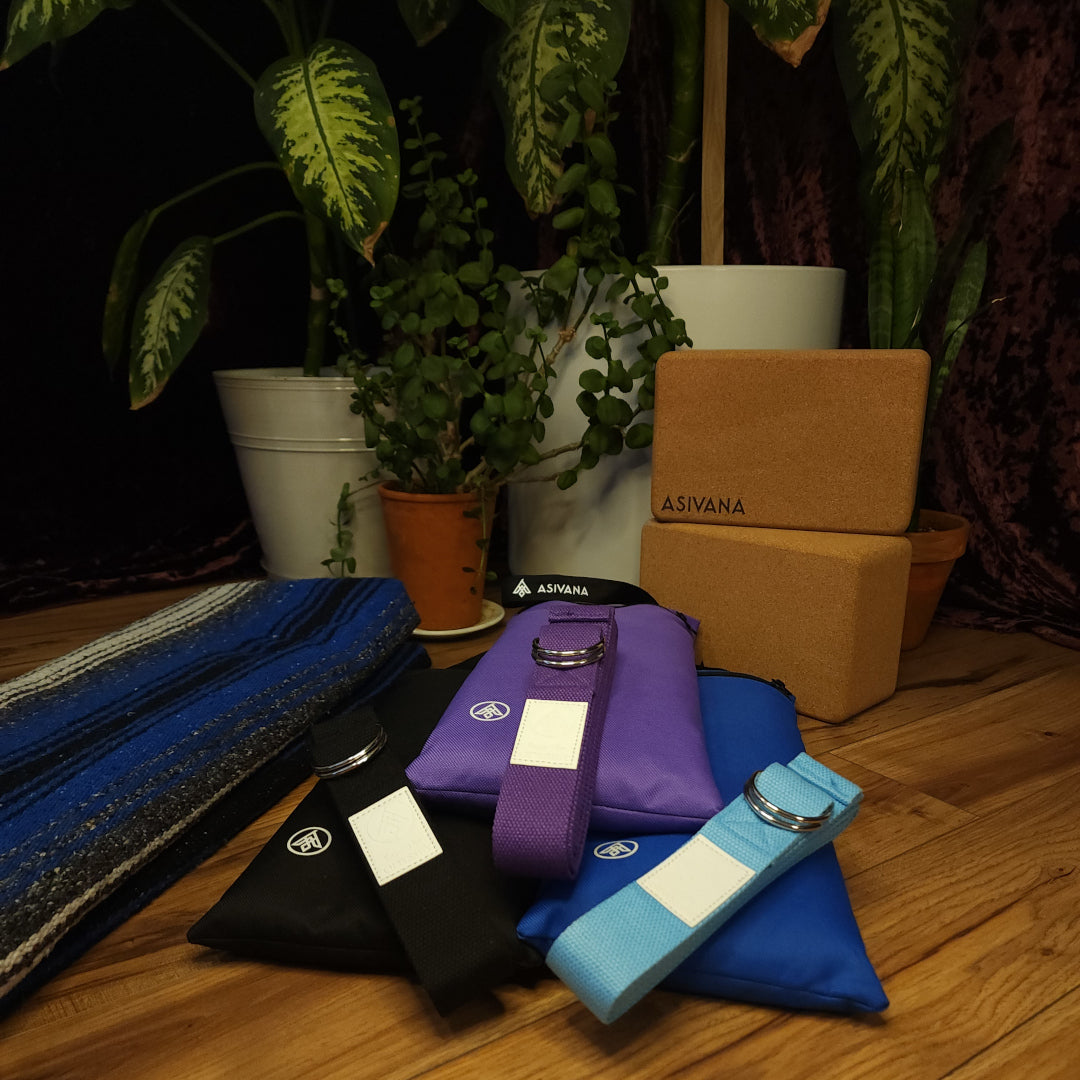
Many practitioners find that owning two blocks offers the greatest flexibility because they can be used together to create balanced support.
Yoga strap
A yoga strap extends your reach without asking your body to overstretch. It can be used during hamstring stretches, shoulder mobility exercises, and seated forward folds. Rather than pulling yourself deeper into a pose, the strap allows you to maintain good posture while gradually improving flexibility.
Straps are also useful for learning proper arm positioning in poses that require the hands to connect behind the back.
Yoga blankets
A folded blanket is one of the simplest and most adaptable props you can own. It can cushion knees during kneeling poses, support the head during relaxation, or lift the hips in seated positions.
For many people, sitting on a folded blanket helps the pelvis tilt slightly forward, making upright seated postures more comfortable.
Bolsters
Bolsters are designed for support during longer holds and restorative practice. They comfortably support the spine, knees, chest, or hips while reducing muscular effort.
If you enjoy slower practices, restorative yoga, or guided relaxation, a bolster quickly becomes one of the most frequently used props in your collection.
Eye pillows
Eye pillows are simple accessories that can support relaxation during Savasana or meditation. The gentle weight across the eyes may help reduce visual distractions and encourage quiet stillness.
Choosing props based on your style of practice
The right combination of props depends on how you practice.
For active flow classes
Two blocks and one strap often provide everything needed for standing poses, balance work, and mobility exercises.
For restorative yoga
A bolster, several blankets, and blocks create comfortable supported shapes that can be held for longer periods without unnecessary strain.
For mobility and flexibility work
Straps and blocks work well together by helping you maintain proper alignment while gradually increasing range of motion.
For meditation
A folded blanket or cushion beneath the hips can make seated practice more sustainable by reducing pressure on the knees and lower back.
Your needs may change over time. It is common to rely heavily on blocks while learning standing poses, then discover that blankets become more valuable as your meditation practice grows.

Creating a functional home practice space
You do not need a dedicated yoga room to practice consistently. A quiet area with enough space to move comfortably is usually sufficient.
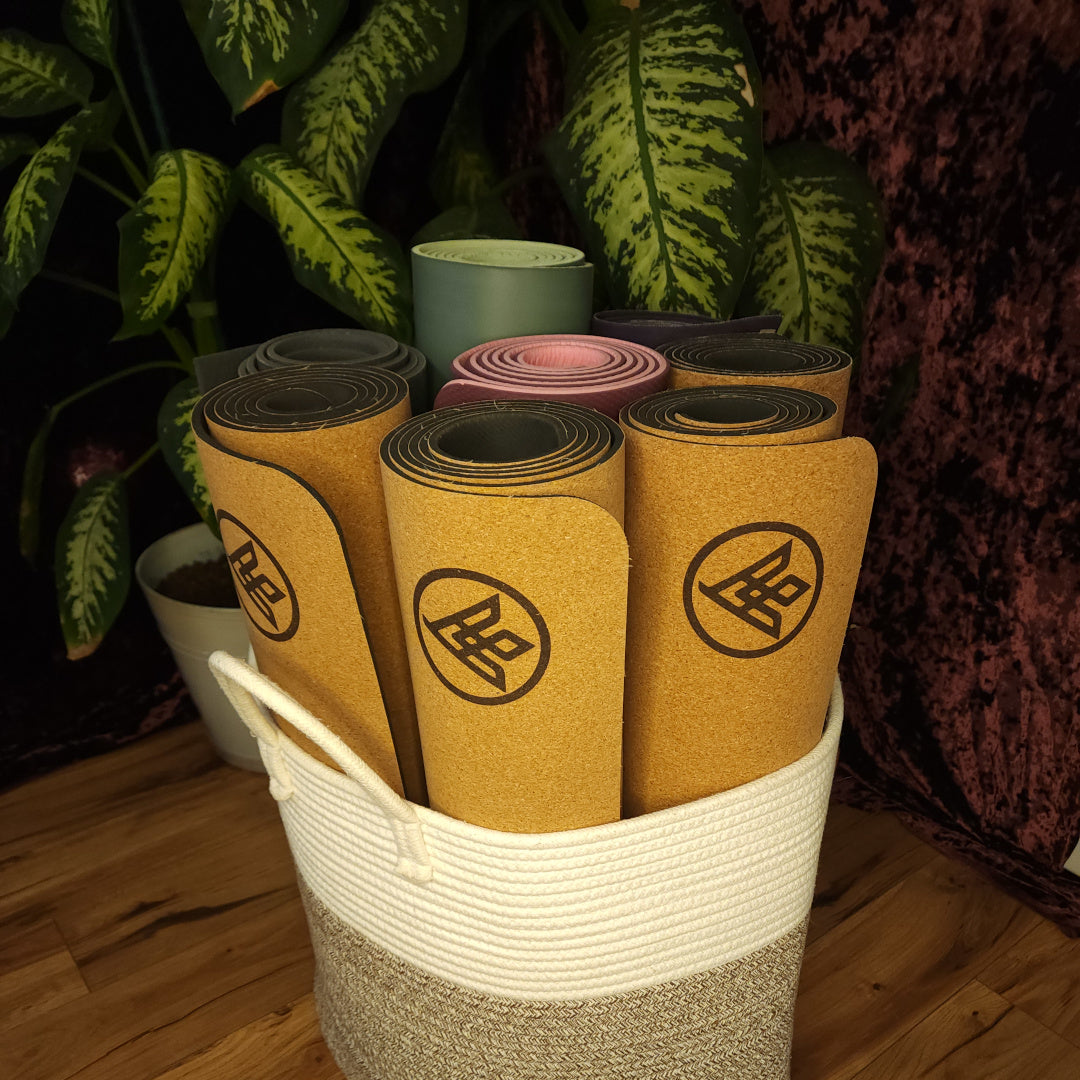
Keep your props nearby rather than stored in a closet where they are easy to forget. Having them visible makes it more likely that you will actually use them when a pose calls for extra support.
Good lighting, a comfortable room temperature, and minimal distractions also contribute to a more focused practice. These simple details often matter more than the size of the space itself.
Asivana Yoga offers yoga props and accessories designed to support home practice. When selecting any prop, prioritize quality, comfort, and usefulness over building a large collection.
Building your collection over time
Many practitioners begin with just a few essentials and expand gradually as their practice evolves. This approach keeps your practice intentional while avoiding purchases that may never be used.
A practical progression often looks like this:
- Start with two yoga blocks.
- Add one yoga strap.
- Include a folded blanket for seated work and extra cushioning.
- Add a bolster if restorative practice becomes part of your routine.
- Consider smaller accessories such as an eye pillow if relaxation or meditation is a regular part of your sessions.
Choosing yoga props for home practice thoughtfully allows each item to serve a clear purpose. A smaller collection that you understand well is usually more valuable than shelves filled with equipment that rarely leaves storage.

For a coordinated starting set, the Complete Yoga Kit for Beginners includes a 5mm cork-and-natural-rubber mat, one or two cork blocks, an 8-foot practice strap, and a separate mat carrier. It does not include a bolster or blankets, so consider those separately if your home practice uses them.
FAQ
What are the most useful yoga props for home practice?
For most people, two blocks, one strap, and a folded blanket provide the greatest versatility. A bolster is an excellent addition for restorative yoga.
Do beginners need yoga props?
Yes. Props help beginners learn healthy alignment, improve comfort, and adapt poses to their current mobility without unnecessary strain.
Can experienced practitioners still benefit from yoga props?
Absolutely. Experienced practitioners use props to refine alignment, explore variations, support recovery, and remain comfortable during longer holds.
How many yoga props should I buy?
Begin with a small set of essentials and add more only when your practice clearly benefits from additional support.
Can household items replace yoga props?
Some household items can work in a pinch, such as firm blankets or sturdy belts. Dedicated yoga props are generally designed for greater stability, comfort, and repeated use.
Final thoughts
Yoga props for home practice support a sustainable, adaptable approach to yoga. They make it easier to respond to your body's changing needs, improve understanding of each posture, and create a home environment where regular practice feels approachable. A few carefully chosen props, used with attention and patience, can support years of meaningful practice.