Best Yoga Mat for Hot Yoga
Jack UtermoehlThe best yoga mat for hot yoga is one that maintains dependable traction as sweat builds, supports stable movement through standing and floor poses, and is practical to clean after regular use. For most practitioners, that means prioritizing grip over extra cushioning while considering the style of hot yoga you practice, how much you sweat, and whether you prefer using a yoga towel with your mat.
Why hot yoga places different demands on a yoga mat
Hot yoga creates conditions that are very different from a room-temperature class. Heat and perspiration change how your hands and feet interact with the mat. A surface that feels secure during a gentle home practice may become slippery once moisture builds.
This is why the best yoga mat for hot yoga is chosen differently than a general-purpose mat. Reliable traction helps you stay steady in poses like Downward Facing Dog, Warrior II, Triangle, and Plank, where shifting hands or feet can interrupt your focus and alignment.
Cleaning also becomes more important. A mat used in heated classes is exposed to more moisture and should be cared for consistently to help maintain its condition.
For a closer look at traction under sweaty conditions, read our guide to mats for sweaty hands. If slipping is your main concern, our article on why a yoga mat becomes slippery covers surface, moisture, and care factors.
Features that matter most in a hot yoga mat
Consistent traction
Grip is often the first priority. Some mat surfaces become tackier as they become slightly damp, while others lose traction with moisture. If you sweat heavily, testing a mat during a heated practice can tell you more than how it feels in a store.
Supportive cushioning
A very thick mat may feel comfortable for kneeling poses but can reduce stability during balancing postures. Many practitioners find that moderate cushioning provides a comfortable balance between joint support and a stable connection to the floor.
Durability
Heated practice places repeated stress on a mat through moisture, cleaning, and regular transport. A durable mat should maintain its performance through consistent care and frequent classes.
Easy maintenance
Because hot yoga involves sweat, choose a mat that can be cleaned according to the manufacturer's care instructions. Allowing it to dry completely before rolling it up helps reduce lingering moisture.
Should you use a yoga towel?
A yoga towel can be a helpful addition, especially if you perspire heavily. Some practitioners place a towel over the entire mat, while others use a small towel just for the hands.
A full-length yoga towel absorbs moisture while providing another layer of traction once damp. This can make repeated transitions feel more predictable during vigorous sequences.
If you are new to heated classes, practicing with both a mat and a towel gives you flexibility. Over time, you may discover that you prefer one setup over another depending on the intensity of the class.
Matching your mat to your style of hot yoga
Different heated classes place different demands on your equipment.
Traditional hot yoga classes
Classes with longer-held standing poses benefit from dependable foot traction and enough support for extended holds.
Hot vinyasa
Frequent transitions between standing poses, Plank, Chaturanga, and Upward Facing Dog reward a mat that provides predictable grip for both hands and feet.
Heated slow flow
If your class moves more gradually, comfort may become a slightly larger priority while still maintaining secure footing.
Rather than searching for one perfect solution, think about the movement patterns you repeat every week. The right choice supports those patterns consistently.
How to care for a hot yoga mat
Good care extends the useful life of your mat and creates a more pleasant practice experience.
- Wipe the surface after class according to the manufacturer's cleaning guidance.
- Allow the mat to dry fully before rolling it up.
- Store it in a cool, dry location.
- Wash your yoga towel regularly if you use one.
- Avoid harsh cleaning products unless they are recommended for your mat.
Simple habits after each class are often more effective than occasional deep cleaning.
Choosing a mat that fits your long-term practice
Your mat is one part of your overall practice environment. Comfort, confidence, and consistency matter more than chasing trends or assuming the most expensive option is automatically the best fit.
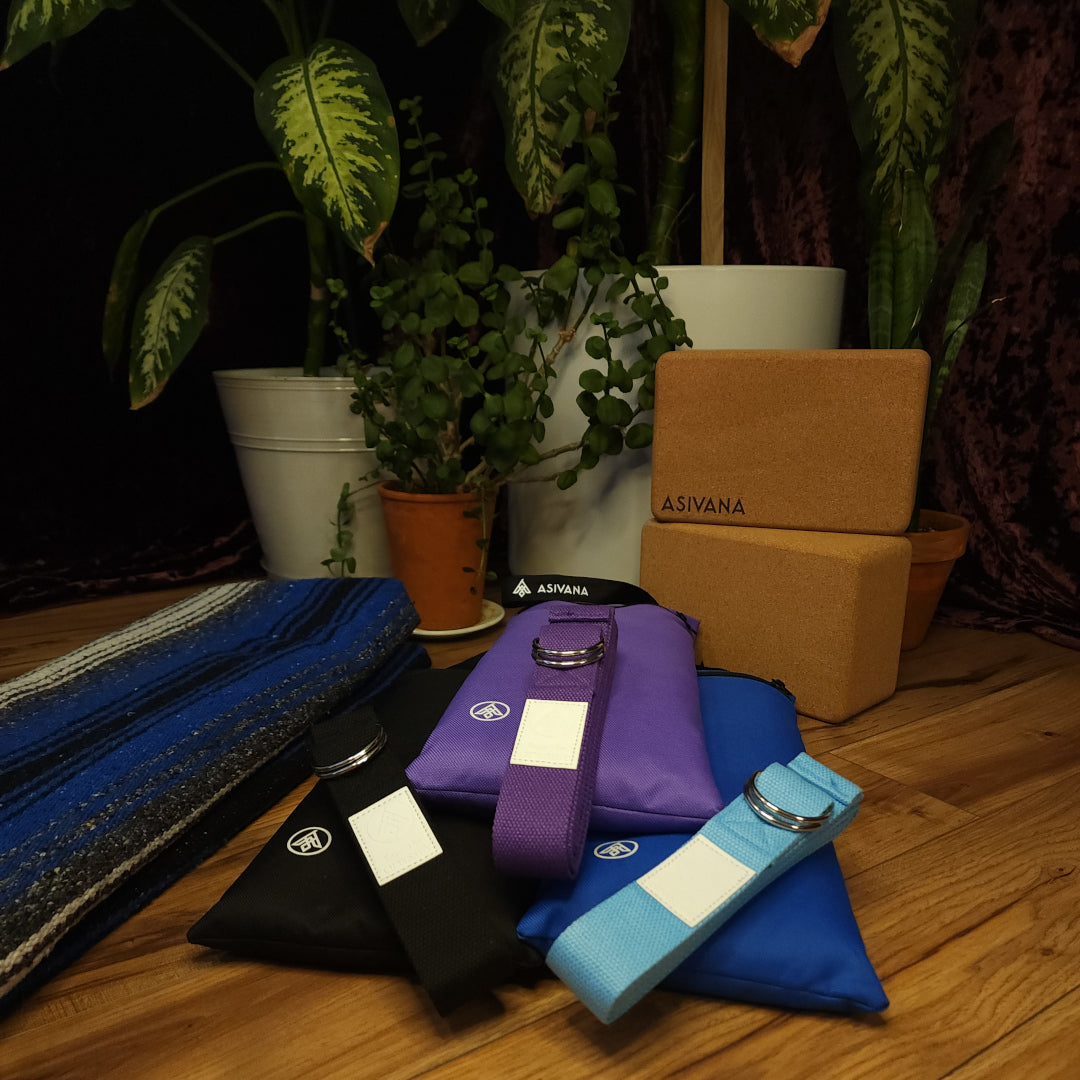
If you are building a home practice or replacing older equipment, consider your yoga accessories together. A towel, blocks, strap, or blanket may contribute just as much to an enjoyable experience as the mat itself. Asivana Yoga offers yoga practice essentials designed to support practitioners in creating thoughtful, functional practice spaces. Choosing accessories based on your actual needs helps you get more from each session without adding unnecessary equipment.
As your practice develops, your preferences may change. Someone attending one heated class each week may have different priorities than someone practicing five days a week. Reassessing your equipment over time is a normal part of developing a sustainable practice.
FAQ
What is the best yoga mat for hot yoga if I sweat a lot?
Look for a mat known for maintaining traction in damp conditions, and consider pairing it with a full-length yoga towel for additional grip.
Do I always need a towel for hot yoga?
No. Some practitioners prefer using only their mat, while others find a towel improves comfort and traction during very sweaty classes.
How often should I clean a hot yoga mat?
Wiping the mat after each heated class and allowing it to dry completely is a practical routine for regular use.
Is a thicker mat better for hot yoga?
Extra thickness can increase comfort for the knees, but excessive cushioning may reduce stability in standing balance poses. Moderate cushioning often works well for heated practice.
Can I use the same mat for hot yoga and regular yoga?
Yes. Many practitioners use one mat for multiple styles. The key is choosing a mat that performs well in heated conditions while still feeling comfortable for everyday practice.