

Introduction to Yin Yang Yoga
Jack UtermoehlYin Yang Yoga blends active, movement-oriented postures with slower, longer-held poses. The Yang portion may draw from Hatha or Vinyasa Yoga, while the Yin portion emphasizes relatively still, supported shapes. Classes often begin with movement and settle into stillness, though teachers can reverse or alternate the sequence. This approach creates a deliberate contrast in pace, effort, and attention.
What is Yin Yang Yoga?
In my teaching, I have long valued integrating multiple styles of yoga to create the experience a class needs. Yin Yang Yoga gives that approach a clear structure: movement and effort alongside receptivity and stillness. There is no requirement to divide a class equally between the two. A teacher may build a mostly active session with a restful closing or explore repeated shifts between modes.
The names Yin and Yang are borrowed from Chinese philosophy to describe complementary qualities. They do not designate fixed categories of people, and the relationship between Chinese cosmology and modern yoga sequencing should be described as a contemporary teaching adaptation.
Yin and Yang: The two sides of the class
| Yang approach | Yin approach |
|---|---|
| More active movement or muscular engagement | Relatively still, usually supported shapes |
| Shorter holds, transitions, balance and strength | Longer holds with less effort and comfortable intensity |
| Attention to coordination and purposeful activity | Attention to sensation, breath, and sustained observation |
A Yang section could include Hatha Yoga postures or a Vinyasa Yoga sequence. Yin-style practice is described further in our Yin Yoga guide. Both approaches can be demanding in different ways; quiet practice is not necessarily easy.

Yin Yang Yoga vs. VinYin: What's the difference?
The names are used differently by studios. As a general distinction, VinYin Yoga explicitly pairs Vinyasa-style flowing movement with Yin-style holds. Yin Yang Yoga is the broader idea of pairing active and receptive qualities, so its Yang section may be Hatha, Vinyasa, balance work, or another appropriate active approach. Read the class description rather than relying on the title alone.
Sample 60-minute Yin Yang Yoga sequence
This is a flexible example for a general-level class, not a rigid lineage-based series. Transition gradually, provide props, and allow students to choose comfortable shapes.
| Time | Practice |
|---|---|
| 0–5 min | Seated arrival and natural-breath awareness |
| 5–15 min | Gentle Cat–Cow, lunges, and standing warm-up |
| 15–30 min | Yang: Warrior I and II, Tree Pose, and deliberate transitions |
| 30–35 min | Slow down, lower to the mat, and arrange supports |
| 35–53 min | Yin: supported Butterfly, supported Child's Pose, and reclined twist; hold 2–4 minutes as appropriate with transitions |
| 53–60 min | Savasana and unhurried return to seated |
Longer holds should stay within a comfortable range. Coming out of a posture slowly can be as important as entering it. Teachers can substitute accessible seated or reclined shapes when a suggested pose does not suit a student.

What should a first-time student expect?
Expect a changing pace and clear transitions. Some people prefer the active portion first because movement helps them settle into the quieter portion later; others enjoy beginning with stillness and discovering a more energetic rhythm. Either order can work.
Wear comfortable clothing, arrive early enough to ask about props, and tell the teacher about any mobility or injury concerns. You do not need to achieve a particular flexibility level to begin. In a longer-held pose, choose a supported position where you can breathe easily and adjust at any time.
What props do you need for Yin Yang Yoga?
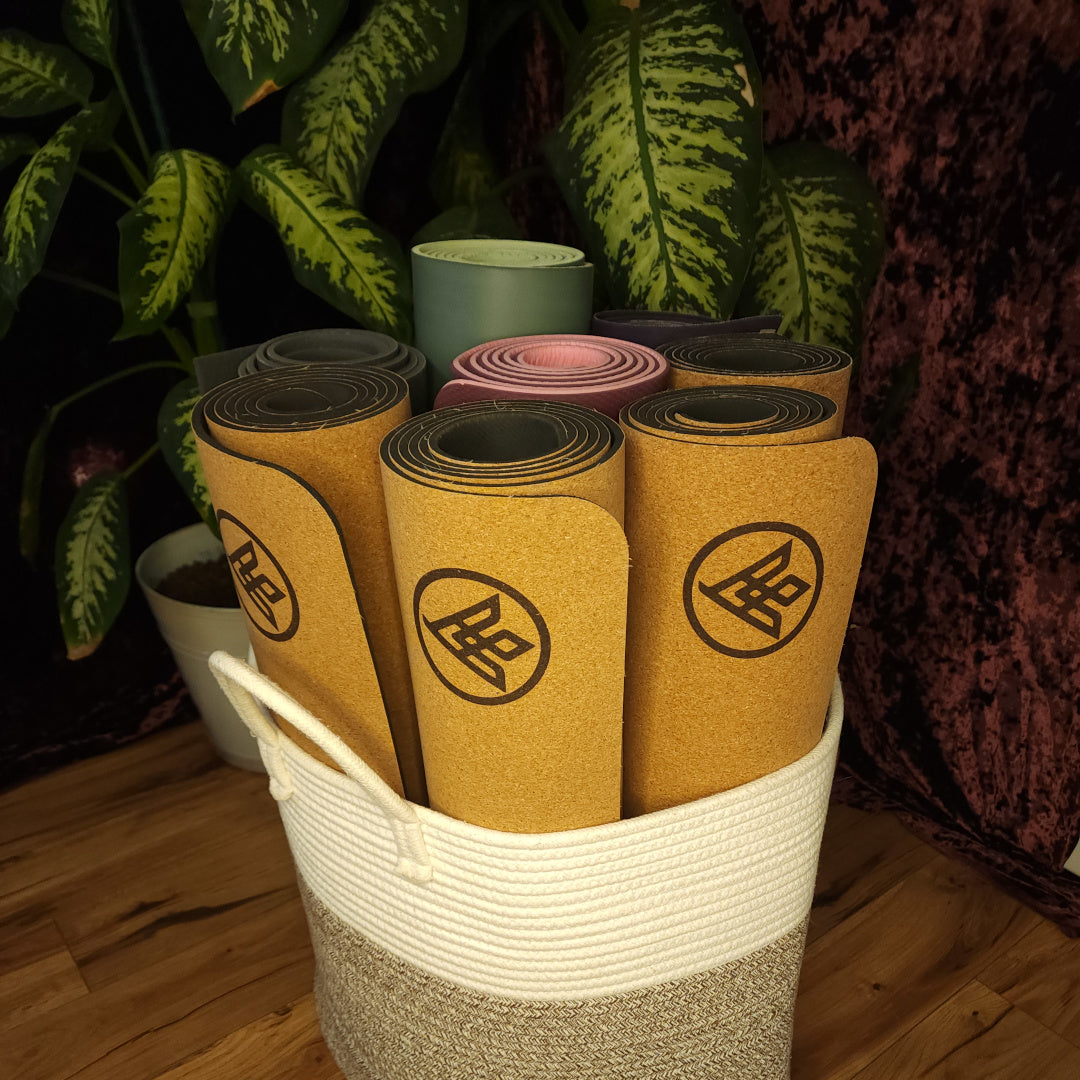
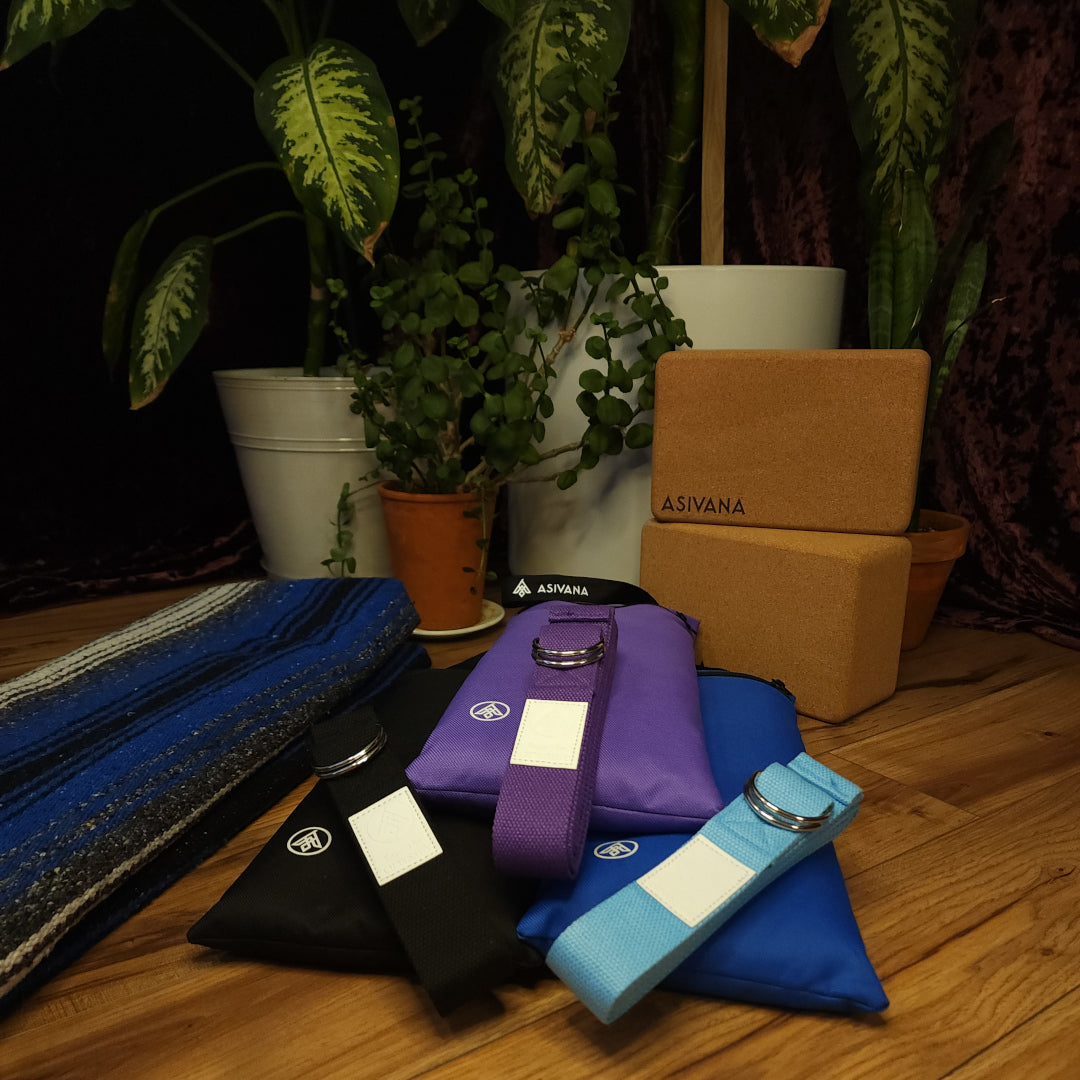
A reliable mat supports both movement and stillness. The Asivana Cork Yoga Mat provides one surface option for the active section. During the slower holds, cork blocks, folded blankets, and an appropriately used yoga strap can help adapt a posture. Choose props for comfort and accessibility rather than the idea of forcing a deeper stretch.

Teaching Yin Yang Yoga: Sequence for contrast, not extremes
A useful class offers enough of a contrast for students to notice the difference between active engagement and receptive attention. That does not require exhausting students first or pushing stillness to discomfort. Decide the theme, map a reasonable peak of activity, and leave time for a gradual change of pace.
When teaching, explain why you are transitioning between styles. A simple cue like “notice what changes when the body becomes still” gives the transition meaning without making unverifiable claims about meridians, organ health, or emotional release.
Consider how different students experience long holds: knees, hips, shoulders and backs require different accommodations. The NCCIH guide to yoga safety offers a useful general reminder to modify practices for age, injuries and health considerations.
Benefits of Yin Yang Yoga
The format combines opportunities for muscular engagement, coordination and slower attention. Some practitioners appreciate the variety; others find the contrast helpful for developing awareness of pacing. Research on general yoga practices suggests possible benefits for wellness and stress management, yet studies of yoga do not establish that Yin Yang Yoga specifically produces superior medical results.
Frequently asked questions
Is Yin Yang Yoga suitable for beginners?
It can be, particularly when the class is clearly labeled beginner-friendly and the teacher offers pose options, shorter holds and adequate rest.
Does Yin Yang Yoga have to start with Yang?
No. Yang-to-Yin is common, but Yin-to-Yang and alternating designs can also fit the concept.
Is Yin Yang Yoga the same as Yin Yoga?
No. A Yin Yang class intentionally incorporates active practice; a standalone Yin class concentrates more consistently on prolonged, comparatively still postures.
Explore VinYin Yoga for a more specific active-flow plus Yin pairing, or the goal of meditation to consider the role of attention in all styles.

Original Asivana practice and community photographs
These photographs from the original article document the practices and community presented in Asivana's earlier teaching materials.


1 comment
Beautifully explained! This blog on Yin Yang Yoga balances insight and clarity, making it an engaging read for yoga lovers and teachers alike.