Beginner Yoga Equipment
Jack UtermoehlBeginner yoga equipment can be surprisingly simple. Most people can begin with a yoga mat, comfortable clothing, and a willingness to practice consistently. A few well chosen props, such as blocks, a strap, or a blanket, can make poses more accessible and comfortable as your body learns new movement patterns. The goal is to support your practice with tools that fit your needs rather than collecting equipment you may rarely use.
What equipment do you need to start yoga?
If you are building a home practice, start with the essentials. You do not need every accessory you see in a studio. The right equipment helps you move safely, maintain balance, and adapt poses to your current mobility.
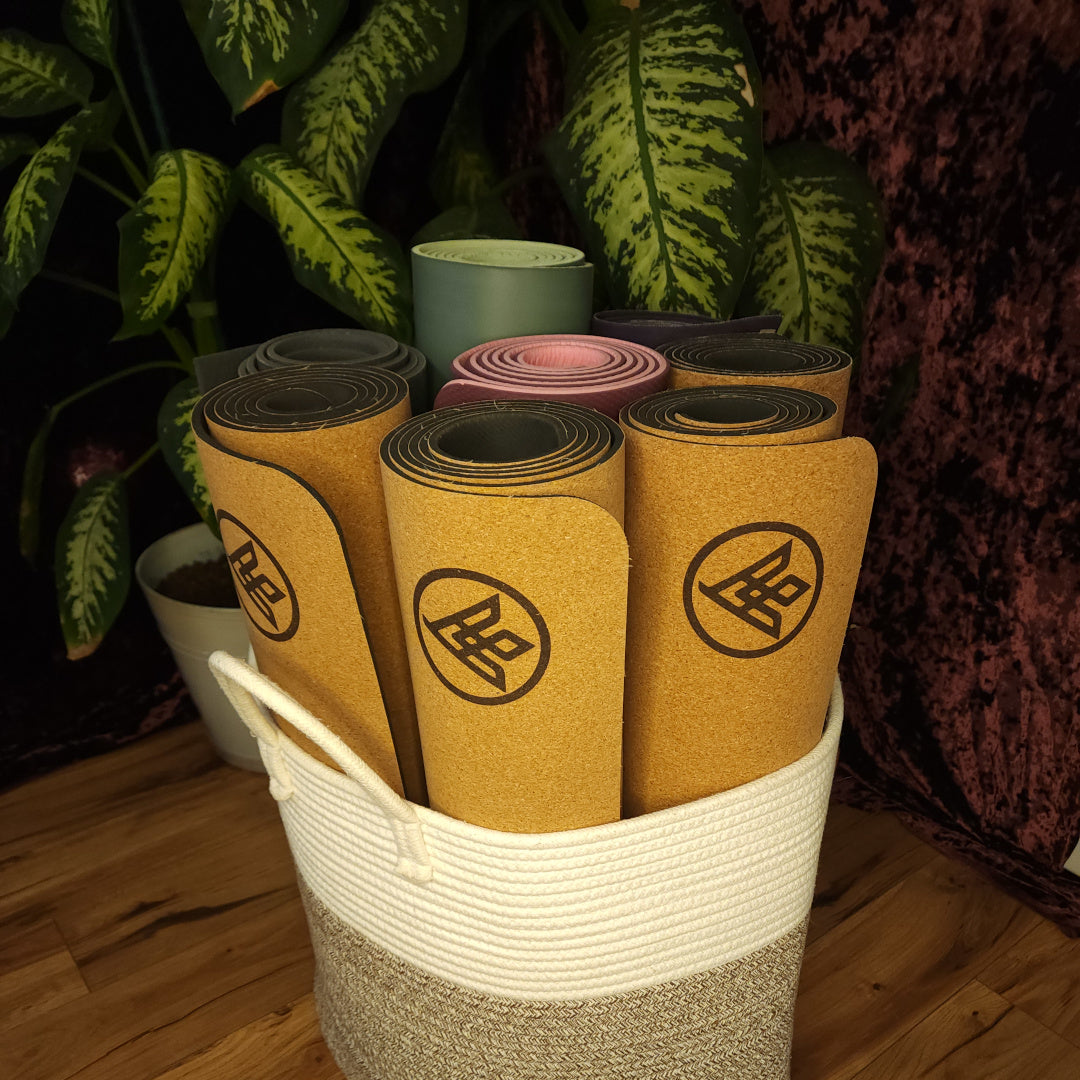
- A yoga mat for a stable practice surface.
- Comfortable clothing that allows easy movement.
- A water bottle if your practice is active or warm.
- A small towel if you tend to perspire.
Many beginners also benefit from one or two props. These are teaching tools rather than signs that a pose is too difficult. Experienced practitioners regularly use props to refine alignment, reduce unnecessary strain, and make practice more sustainable.
Understanding the most useful yoga props

Yoga blocks
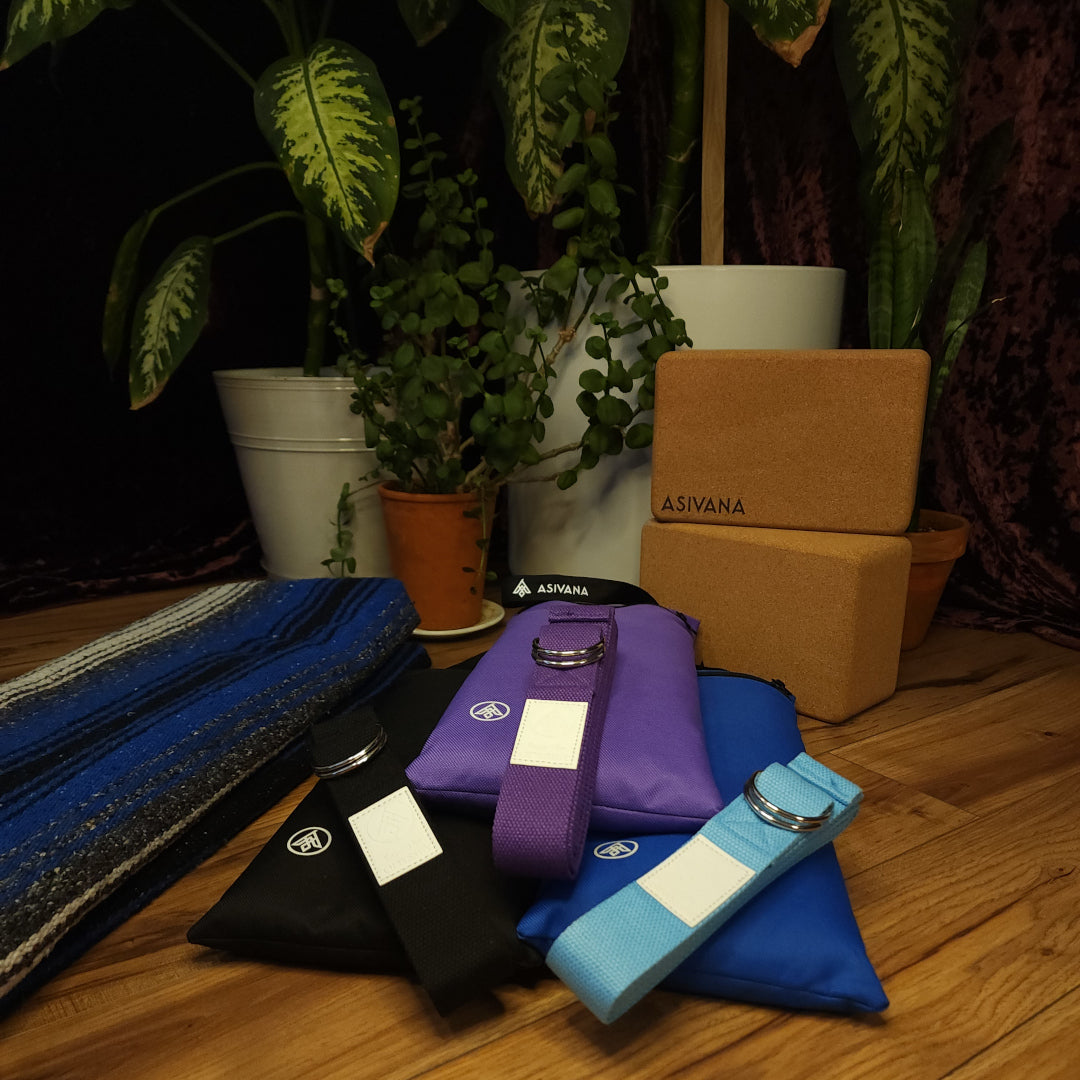
Blocks bring the floor closer to you. In standing poses, they can support your hand without forcing you to round your back or overreach. In seated postures, they can create a more comfortable sitting position by raising the hips.

Yoga strap
A strap extends your reach. It is useful when your hands cannot comfortably connect in stretches or binds. Rather than forcing flexibility, a strap allows you to work within your current range of motion while maintaining good posture.

Yoga blanket
A folded blanket provides cushioning under the knees, supports the hips during seated meditation, and adds comfort during restorative poses. It is one of the most versatile pieces of beginner yoga equipment because it adapts to many situations.

Bolster
A bolster is commonly used in restorative yoga. It supports the body during longer holds, encouraging relaxation with less muscular effort. While it is not essential for every beginner, it can be valuable if you enjoy slower or recovery focused practices.
How to choose equipment that matches your practice
Your first purchases should reflect how and where you plan to practice.
If you attend studio classes, portability may matter. A mat and a pair of blocks are often enough. If you mainly practice at home, adding a strap and blanket creates more options for following online classes and exploring gentle mobility work.
Consider these questions before buying:
- Will you practice several times each week?
- Do you have limited flexibility that may benefit from props?
- Do you have enough storage space?
- Do you prefer energetic flows, slower stretching, or restorative sessions?
Your equipment should support the style of yoga you actually practice rather than the style you think you might eventually try.
What can wait until later?
It is easy to assume that more equipment will improve your practice. In reality, many accessories are optional during the first months.
You can usually wait before purchasing specialty items such as eye pillows, sandbags, yoga wheels, or meditation benches unless they directly support a class you already enjoy. As your interests become clearer, your equipment choices can become more specific.
Beginning with a smaller collection also gives you time to learn how each item is used before adding more.

Choosing quality over quantity
A few dependable pieces of equipment are often more valuable than a large collection of inexpensive accessories. Equipment that feels stable, comfortable, and appropriate for regular practice is more likely to become part of your routine.
When exploring yoga accessories from Asivana Yoga, focus on categories that match your practice instead of trying to purchase everything at once. Blocks, straps, blankets, and other yoga accessories can all play useful roles when they solve a practical need.
Consistency has a greater impact than the number of products you own. Returning to your mat regularly builds familiarity with movement, breathing, and body awareness over time.
If you are starting without equipment, the Complete Yoga Kit for Beginners combines a cork mat, your choice of one or two cork blocks, an 8-foot D-ring practice strap, and a separate mat carrier. If you already own some of those pieces, compare the individual products before choosing a bundle.
FAQ
Do I need yoga blocks as a beginner?
Blocks are highly useful because they help adapt poses to your current mobility and improve comfort in many standing and seated positions.
Is a yoga strap necessary?
A strap is optional but helpful if you have limited flexibility or attend classes where straps are frequently used.
Can I practice yoga with just a mat?
Yes. Many people begin with only a mat. Props simply provide additional options for comfort and accessibility.
What is the best first purchase after a yoga mat?
For many beginners, a pair of yoga blocks offers the greatest versatility because they support balance, alignment, and flexibility work across many poses.