Best Yoga Blocks for Beginners
Jack UtermoehlThe best yoga blocks for beginners are stable, comfortable to hold, and suited to the poses you practice most often. For many people, a standard rectangular foam block offers an approachable balance of support, light weight, and ease of use. As your practice develops, you may also consider cork or wood based on the level of firmness and feedback you prefer. Understanding these differences helps you choose blocks that support steady progress from your first class onward.
Why beginners benefit from yoga blocks
Yoga blocks are among the most useful props because they bring the floor closer to you. Instead of asking your body to reach a position it is not ready for, a block provides a stable surface that supports healthy alignment and comfortable exploration.
Many students assume blocks are only for people with limited flexibility. In reality, experienced practitioners use them regularly to refine balance, improve positioning, and create more awareness in familiar poses.
For beginners, blocks can help with:
- Improving balance in standing poses.
- Reducing unnecessary strain while learning new movements.
- Supporting comfortable spinal alignment in seated poses.
- Making restorative postures more relaxing.
- Building confidence by creating a stable foundation.
Using props is part of thoughtful practice, not a sign of limitation.

Comparing foam, cork, and wooden yoga blocks
Foam blocks
Foam is often the first recommendation when people ask about the best yoga blocks for beginners. Foam blocks are lightweight, comfortable under the hands, and forgiving if accidentally dropped. Their slight cushioning also feels pleasant in kneeling poses and gentle stretches.
They are especially helpful for home practice because they are easy to move and store.
Cork blocks
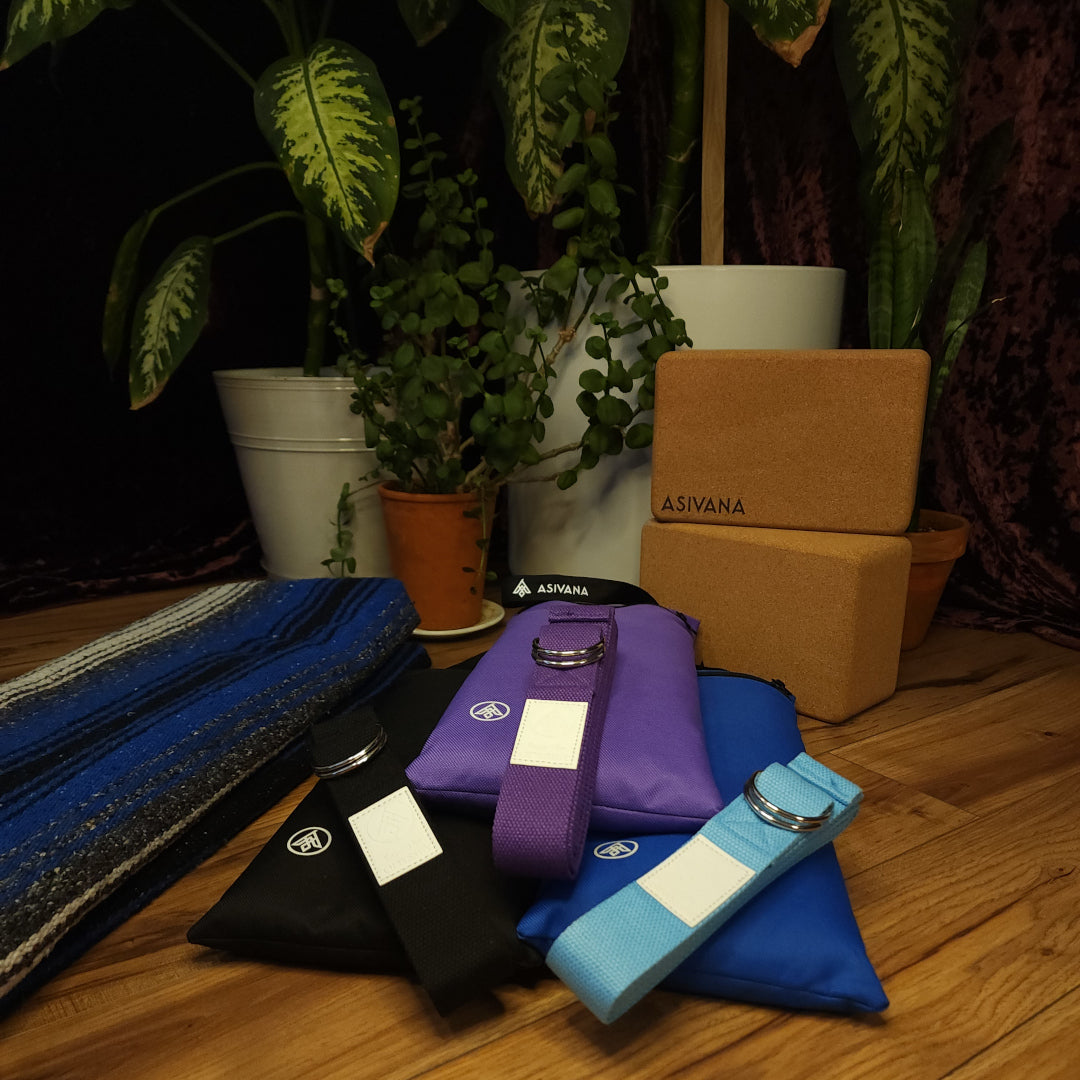
Cork blocks provide a firmer surface with very little compression under body weight. Many students appreciate the extra stability during standing poses such as Triangle Pose or Half Moon Pose.
Because cork is heavier than foam, it stays securely in place. Some beginners enjoy that solid feeling right away, while others prefer to start with the softer feel of foam.
Wooden blocks
Wooden blocks are the firmest option. They are durable and traditional but have no cushioning. They are less common in home practice because they are heavier and less forgiving during everyday use.
For most new practitioners, foam or cork offers a more comfortable starting point.
What size and shape should beginners choose?
Most yoga blocks follow a standard rectangular shape that works well for nearly every style of yoga. A standard size provides three different heights depending on which side is placed on the floor. This simple adjustment makes one pair of blocks useful across many poses.
If you have smaller hands, look for blocks with comfortable edges that are easy to grip. Rounded or beveled edges often feel more natural when carrying the block or transitioning between poses.
Most beginners benefit from purchasing two matching blocks instead of one. A pair creates balanced support in seated postures, forward folds, restorative poses, and standing positions where both hands need equal height.

How beginners actually use yoga blocks
Knowing how blocks are used can make choosing them much easier.
Standing poses
In Triangle Pose, placing a block under the lower hand helps maintain length through the spine without collapsing the chest. In Half Moon Pose, a block offers a reliable base while balance develops.
Forward folds
Instead of forcing your hands toward the floor, blocks allow your hands to rest comfortably at an appropriate height. This encourages relaxed breathing and better alignment.
Seated poses
Sitting on one or two blocks can tilt the pelvis slightly forward, making cross legged sitting more comfortable. Many people find meditation and breathing exercises easier with this added support.
Restorative practice
Blocks can support the back, shoulders, or legs during longer held poses. Combined with blankets or bolsters, they help create comfortable setups that encourage relaxation.
How to choose the best yoga blocks for your needs
Your first purchase does not need to be complicated. Focus on a few practical considerations.
If comfort is your highest priority, foam is an excellent place to begin. If you prefer a firmer feel and expect to practice standing poses frequently, cork may be worth considering. If you already know you enjoy traditional props and want maximum rigidity, wood may suit your preferences.
Also consider where you practice. Students attending studio classes often appreciate lightweight blocks that travel easily. Home practitioners may choose either foam or cork depending on the style of yoga they enjoy most.
When shopping with Asivana Yoga, look for yoga prop categories that match your current practice rather than buying based on trends. A thoughtfully chosen pair of blocks can remain useful through years of learning.

Common mistakes when buying your first yoga blocks
One common mistake is assuming firmer always means better. Stability matters, but comfort also influences how often you use your props.
Another mistake is purchasing only one block. Many poses become more balanced and accessible with two matching blocks.
Some beginners also avoid using blocks because they believe they should progress beyond them quickly. In reality, many experienced teachers continue using blocks throughout their practice because they improve precision and offer useful variations.
Finally, avoid choosing based only on appearance. A block should feel secure in your hands and support your movement with confidence.

FAQ
Are foam or cork yoga blocks better for beginners?
Foam blocks are often the easiest starting point because they are lightweight and comfortable. Cork blocks are also suitable if you prefer a firmer, more stable feel.
Should beginners buy one or two yoga blocks?
Two blocks are more versatile. Many poses, seated positions, and restorative setups work best with a matching pair.
Can yoga blocks help if I am not flexible?
Yes. Blocks reduce the distance between your body and the floor, allowing you to practice with better alignment while flexibility develops over time.
Do experienced yoga practitioners still use blocks?
Yes. Teachers and long time practitioners use blocks to refine alignment, explore pose variations, and support restorative practice.
How long do yoga blocks last?
With regular care, quality yoga blocks can last for many years. Lifespan depends on the material, frequency of use, and how they are stored.