Sustainable Yoga Mat Materials
Jack UtermoehlSustainable yoga mat materials are materials chosen to reduce environmental impact while still supporting a safe, comfortable yoga practice. The best option depends on how you practice, how often you use your mat, and what qualities matter most to you, including durability, grip, maintenance, and how the material is sourced and handled at the end of its useful life. Looking at the whole picture leads to better decisions than focusing on a single claim.
What makes a yoga mat material more sustainable?
Sustainability is broader than using a natural ingredient. It includes how raw materials are obtained, how products are manufactured, how long they last, and what happens when they eventually wear out.
A mat that lasts for many years can reduce overall consumption because it needs to be replaced less often. Responsible manufacturing practices, reduced waste, and thoughtful packaging also contribute to a product's environmental footprint.
It is also helpful to read product descriptions carefully. Marketing terms such as eco-friendly or green are broad and may not explain what specific choices were made. Clear information about materials and care is usually more useful than general claims.

Common sustainable yoga mat materials and how they compare
Natural rubber
Natural rubber is one of the most common sustainable yoga mat materials. It is derived from rubber trees and is valued for its grip and cushioning. Many practitioners appreciate its secure feel during standing poses and dynamic practice.
Natural rubber can be heavier than some synthetic alternatives and may not be suitable for people with latex allergies. It also benefits from proper care, including allowing the mat to dry completely before storage.
Cork
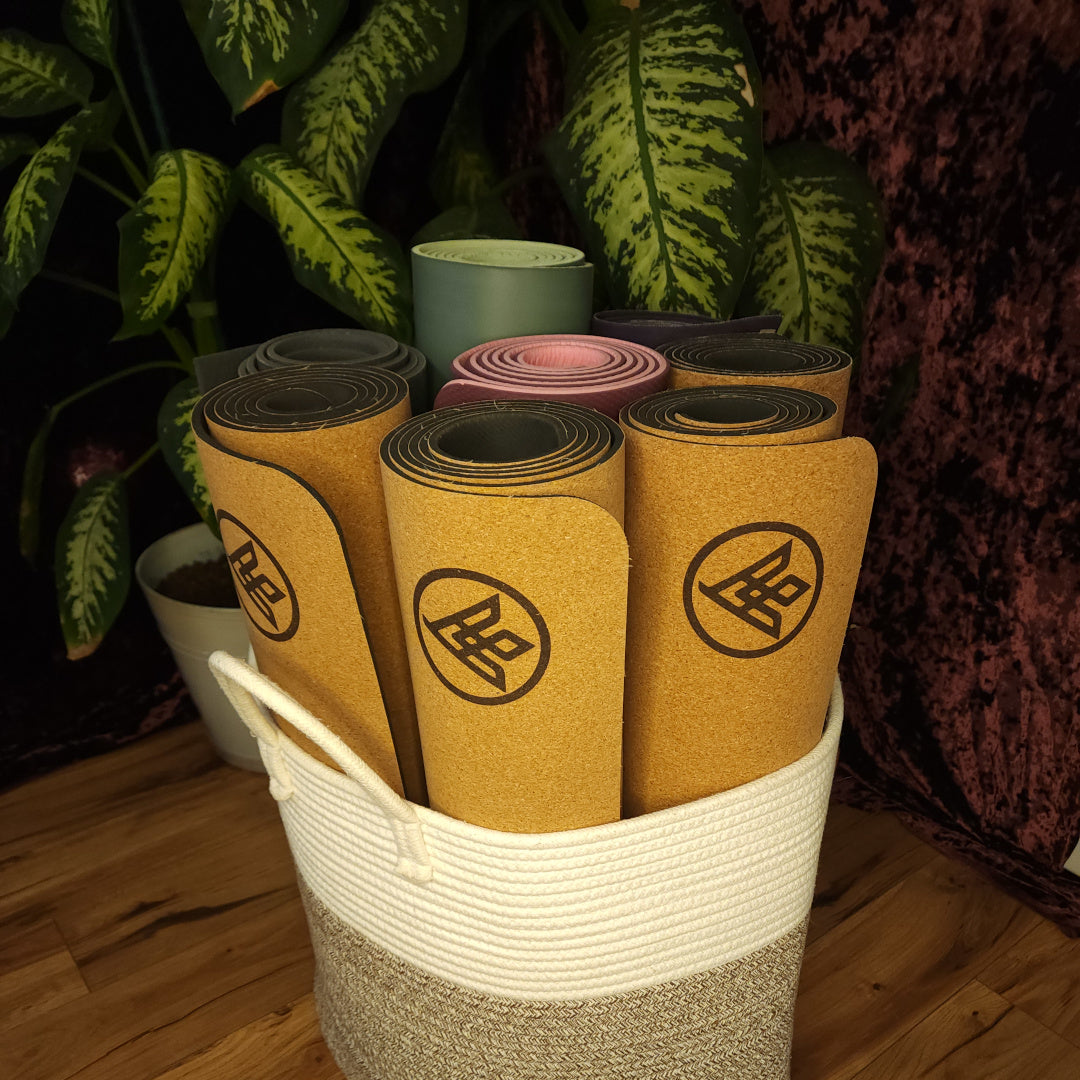
Cork is harvested from the bark of cork oak trees without removing the tree itself. It is often used as the top layer of a yoga mat or in yoga props. Many people like its natural texture and the way it performs during sweaty practice.
Cork is commonly paired with another material underneath for cushioning and structure because cork alone does not provide enough comfort for most yoga mats.
Jute
Jute is a plant fiber that has been used in textiles for generations. In yoga mats it is generally blended with other materials to improve durability and comfort. It offers a distinct texture that some practitioners enjoy, although it may feel different from smoother mat surfaces.
Organic cotton
Organic cotton appears more often in traditional yoga rugs than in thick exercise mats. It can work well for slower practices or styles where a woven surface is preferred. Cotton products require regular washing to keep them clean and fresh.
Thermoplastic elastomer (TPE)
Some yoga mats are made from TPE. While TPE is synthetic rather than natural, some manufacturers choose it because it is lightweight and can be produced with certain recycling processes. Sustainability depends on the specific product and manufacturing approach, so it is worth reviewing the details provided by the manufacturer.
How to choose the right material for your practice
Your practice style plays an important role in selecting a mat.
If you practice vigorous flows or tend to perspire, you may appreciate the grip offered by natural rubber or cork surfaces. If portability matters because you travel frequently, weight may become a higher priority. If you practice gentle yoga at home, comfort and durability may matter more than carrying weight.
Think about your practice environment as well. A home studio, community class, outdoor practice, or frequent travel can each place different demands on a yoga mat.
Instead of searching for a perfect material, identify the qualities that matter most to your own practice and compare products with those priorities in mind.
The Asivana Cork Yoga Mat lists an FSC™ certified cork surface and a natural rubber base. Those are specific material details to compare; they do not establish that the entire mat is recyclable through your local collection program.
Looking beyond material labels
The material itself tells only part of the story. Product longevity, thoughtful maintenance, and responsible purchasing habits can have just as much impact.
Before replacing a yoga mat, ask whether proper cleaning or storage could extend its life. A mat that continues serving your practice is often the most sustainable choice available.
When comparing products, consider whether the manufacturer clearly explains the materials used, offers realistic care instructions, and avoids broad environmental claims without supporting information.
Choosing sustainable yoga mat materials is often about balancing practical performance with long term environmental considerations rather than expecting every product to meet every goal equally well.

Caring for your yoga mat to extend its life
Good care supports both hygiene and longevity.
- Clean your mat according to the manufacturer's recommendations.
- Allow it to dry before rolling or storing.
- Keep it out of prolonged direct sunlight when possible.
- Store it loosely rolled in a cool, dry place.
- Avoid harsh cleaning chemicals unless they are specifically recommended.
Regular maintenance helps preserve grip, appearance, and performance over time.
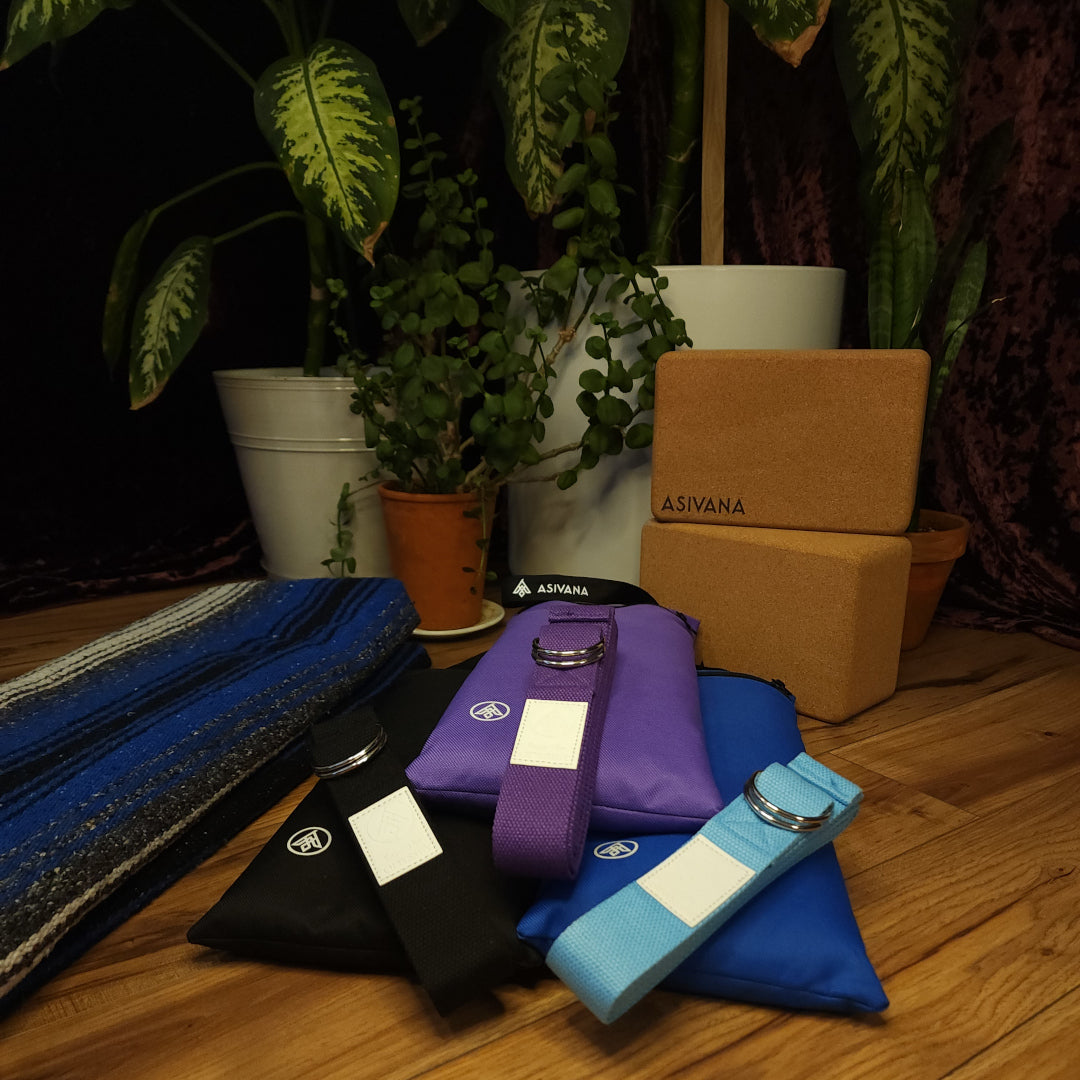
If you are building a home practice space, Asivana Yoga offers yoga accessories and props that can complement a thoughtful practice. Choosing quality equipment that you will use consistently is often more valuable than replacing products frequently.
FAQ
Which sustainable yoga mat material offers the best grip?
Natural rubber is widely appreciated for its grip, while cork surfaces are also popular, especially during sweaty practice.
Are natural materials always the most sustainable choice?
Not necessarily. Durability, manufacturing methods, transportation, and how long a mat lasts all contribute to its overall environmental impact.
How long should a quality yoga mat last?
The lifespan varies with use, care, and material. Regular cleaning and proper storage can help extend the life of many mats.
Can I recycle an old yoga mat?
Recycling options depend on the material and local facilities. Some manufacturers and community programs also accept used mats for reuse or specialized recycling.
Should beginners choose sustainable yoga mat materials?
Yes. Beginners can benefit from choosing a durable mat that fits their practice and encourages long term use instead of frequent replacement.