What Is a Yoga Bolster Used For
Jack UtermoehlWhat is a yoga bolster used for? A yoga bolster is used to support the body during yoga, meditation, breathwork, and relaxation by reducing unnecessary strain and helping you rest comfortably in a position for longer. It can lift the hips, support the spine, cushion the knees, or provide gentle chest opening depending on how it is placed. For many practitioners, a bolster makes both active and restorative practices more stable and approachable.
Why yoga practitioners use a bolster
A bolster is one of the most versatile yoga props because it works with the body instead of asking the body to force a shape. By filling the space between you and the floor, it allows muscles to soften while maintaining comfortable alignment.
Teachers often use bolsters in restorative yoga, prenatal yoga, meditation, gentle yoga classes, and relaxation at the end of practice. They are equally useful for experienced practitioners exploring longer holds and for newer students who are learning how different poses feel.
Support from a bolster can help you stay present in a pose instead of focusing on discomfort created by unnecessary effort. This often encourages steadier breathing and greater awareness of how your body responds to each position.

Common ways to use a yoga bolster
Restorative yoga
Restorative yoga is one of the clearest answers to the question, what is a yoga bolster used for. In restorative practice, the goal is to comfortably support the body so you can remain in a pose for several minutes without muscular effort. A bolster provides the height and cushioning needed to make that possible.
Examples include reclining over a bolster for a gentle chest opening, placing it beneath the knees during Savasana, or supporting the torso in a forward fold.
Seated meditation
Sitting on a bolster raises the hips above the knees, making it easier for many people to maintain a neutral spine. This can reduce discomfort in the hips and lower back during meditation or breathing exercises.
Some practitioners sit directly on the center of the bolster while others position it beneath the sitting bones with the legs crossed in front.
Gentle back support
Positioning a bolster lengthwise beneath the spine can create a mild supported backbend. The amount of opening depends on the height and firmness of the bolster as well as your individual comfort and mobility.
This setup is commonly used during quiet practices where the intention is to encourage relaxed breathing rather than stretching deeply.
Support in seated and forward folding poses
A bolster can be placed under the knees, beneath the hips, or under the torso in seated folds. These adjustments reduce the distance to the floor and allow the body to settle naturally instead of reaching with unnecessary tension.
Pregnancy and gentle movement
Many prenatal yoga classes use bolsters to create comfortable side-lying positions, support seated poses, and provide additional stability. Individual needs vary, so practitioners should always follow guidance from a qualified prenatal yoga teacher and healthcare provider.
How a bolster changes the experience of a pose
Props do more than make poses easier. They change how the body experiences a posture.
For example, in Child's Pose, placing a bolster between the thighs and resting the chest and head on top can reduce pressure through the neck, shoulders, and lower back. Instead of holding yourself above the floor, your body has somewhere to rest.
In Supported Bridge Pose, a bolster beneath the back or legs can encourage comfort during longer holds, depending on the variation being practiced. During Savasana, placing a bolster under the knees often eases pressure through the lower back by changing the angle of the legs.
These adjustments help many practitioners remain in a pose long enough to notice the effects of steady breathing and stillness.

Who benefits from using a yoga bolster?
A yoga bolster can serve many different practitioners because every body has unique proportions, mobility, and comfort needs.
You may find a bolster especially helpful if you:
- Practice restorative or yin yoga.
- Spend time in seated meditation.
- Experience tight hips or hamstrings that make seated poses uncomfortable.
- Want additional support during relaxation.
- Are recovering from physical fatigue and need a gentler practice.
- Prefer longer, slower holds with more comfort.
Using props is not a sign that someone is less capable. Skilled teachers often rely on props because they help create more appropriate conditions for the intention of each pose.
How to choose the right yoga bolster
If you are considering adding a bolster to your practice, think first about how you plan to use it.
A firmer bolster generally provides more stable support for seated positions and restorative postures where maintaining height is important. A softer bolster may feel more comfortable for reclining positions or gentle relaxation.
Shape also matters. Round bolsters create a more pronounced lift and are often chosen for chest opening and certain seated positions. Rectangular bolsters provide a broader surface that many practitioners appreciate for restorative yoga because they offer stable support across a larger area of the body.
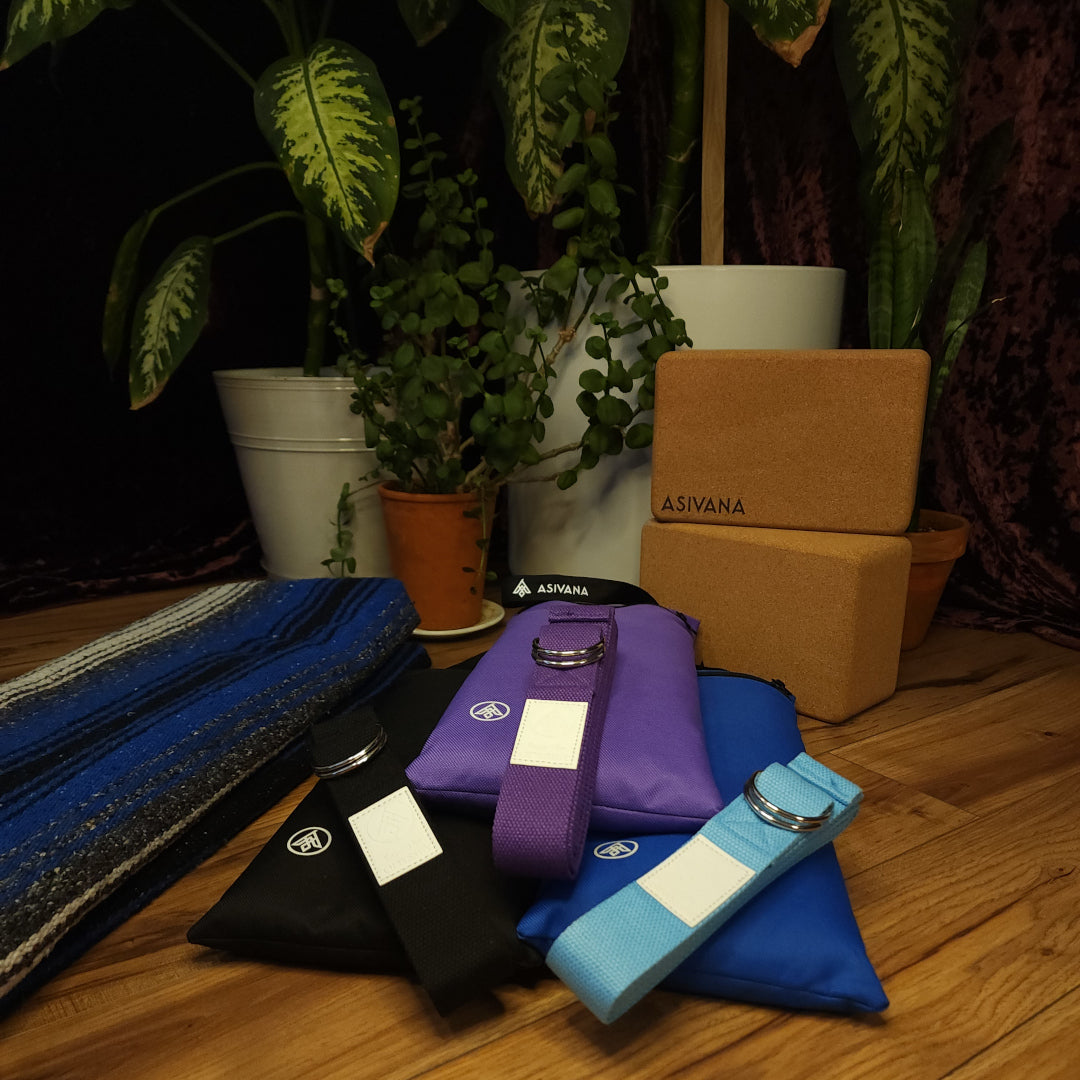
The cover should be durable and easy to care for, especially if the bolster will be used regularly in a home or studio. If you are exploring yoga props from Asivana Yoga, consider how the bolster fits into your practice alongside blankets, blocks, and straps. These props often work together to create comfortable and adaptable setups.

Using a bolster with other yoga props
A bolster becomes even more versatile when combined with other props.
A folded blanket can cushion the head or fill a small gap beneath the neck. Yoga blocks can raise the floor in poses where additional height is needed beyond what the bolster provides. A strap can help maintain gentle positioning in seated or reclining postures without creating unnecessary effort.
For example, in a supported reclining bound angle pose, a bolster can support the spine, blocks can rest beneath the outer thighs if needed, and a folded blanket can cushion the head. Each prop has a simple role that contributes to overall comfort.
Thoughtful use of props allows practitioners to adapt poses based on the day's energy, mobility, and goals rather than trying to fit every body into the same shape.
FAQ
Can beginners use a yoga bolster?
Yes. A bolster is often one of the most helpful props for beginners because it adds comfort and support while learning new poses.
What is a yoga bolster used for in restorative yoga?
It supports the body during longer-held poses so muscles can relax while maintaining a comfortable position with less effort.
Can I meditate without a yoga bolster?
Yes. Many people meditate without one, but a bolster can make sitting more comfortable by raising the hips and supporting a more neutral posture.
Do I need a bolster if I already have yoga blocks and blankets?
Blocks and blankets are useful, but a bolster provides continuous, cushioned support that is difficult to recreate with other props alone. Many practitioners use all three together.
Is a round or rectangular bolster better?
Neither is universally better. Round bolsters provide more lift, while rectangular bolsters offer a wider, more stable surface. The best choice depends on how you practice.
A yoga bolster is a practical prop that helps create support where the body needs it most. Whether you are exploring restorative yoga, building a comfortable meditation seat, or adapting familiar poses, thoughtful use of a bolster can make practice feel steadier and more sustainable over time.