Yoga Blocks for Flexibility
Jack UtermoehlYoga blocks for flexibility help you bring the floor closer, improve alignment, and reduce unnecessary strain while stretching. By supporting your body where mobility is limited, blocks allow muscles to relax into a position instead of compensating with poor posture. Used consistently, they can make flexibility work more comfortable, more sustainable, and easier to adapt as your range of motion gradually changes.
Why yoga blocks help improve flexibility
Flexibility develops through regular practice that balances gentle challenge with stability. Many people think stretching is about reaching farther, but the quality of the position matters just as much as the depth.
A yoga block provides support so your body can settle into a pose without forcing extra range of motion. When you no longer have to strain to reach the floor or hold yourself up with unnecessary effort, the nervous system often allows muscles to soften more naturally.
This makes yoga blocks for flexibility useful for beginners, experienced practitioners returning from time away, and anyone working with naturally tight hips, hamstrings, shoulders, or calves.

When to use a yoga block during stretching
Blocks are helpful whenever reaching the floor changes your posture or causes discomfort. Instead of collapsing through the spine or locking the joints, the block fills the gap between your body and the ground.
Common situations where blocks help
- Forward folds when your hands do not comfortably reach the floor.
- Triangle Pose to keep the spine long while supporting the lower hand.
- Half Split to reduce rounding through the back.
- Lizard Pose to support the hands while opening the hips.
- Supported Bridge Pose for gentle passive opening.
- Seated stretches that benefit from elevating the hips.
The goal is not to make the pose easier. The goal is to create conditions where your body can move with better alignment and steadier breathing.
Best yoga poses to practice with blocks for flexibility
Standing Forward Fold
Place one or two blocks beneath your hands. Choose the height that allows a long spine and relaxed shoulders. Over time you may lower the blocks as your mobility changes, but there is no need to rush that process.
Triangle Pose
Set a block inside or outside your front foot. Rest your lower hand lightly on the block instead of reaching toward the floor. This helps maintain length through both sides of the torso while reducing unnecessary twisting.
Half Split
Position blocks beneath your hands to support your weight. This allows you to focus on lengthening through the hamstrings instead of struggling to balance.
Lizard Pose
Place both hands on blocks inside the front foot if the floor feels too far away. The added height often creates a more comfortable hip opening while keeping the chest broad.
Supported Fish Pose
A block beneath the upper back creates a gentle chest opening. Use the lowest comfortable height and allow the breath to remain steady.
Butterfly Pose
If your knees feel unsupported, place blocks beneath the outer thighs. Supporting the legs can reduce tension around the hips and groin, making the stretch feel more sustainable.

Choosing the right yoga block for flexibility practice
Most practitioners benefit from a standard rectangular yoga block. The important consideration is choosing support that feels stable and appropriate for your body.
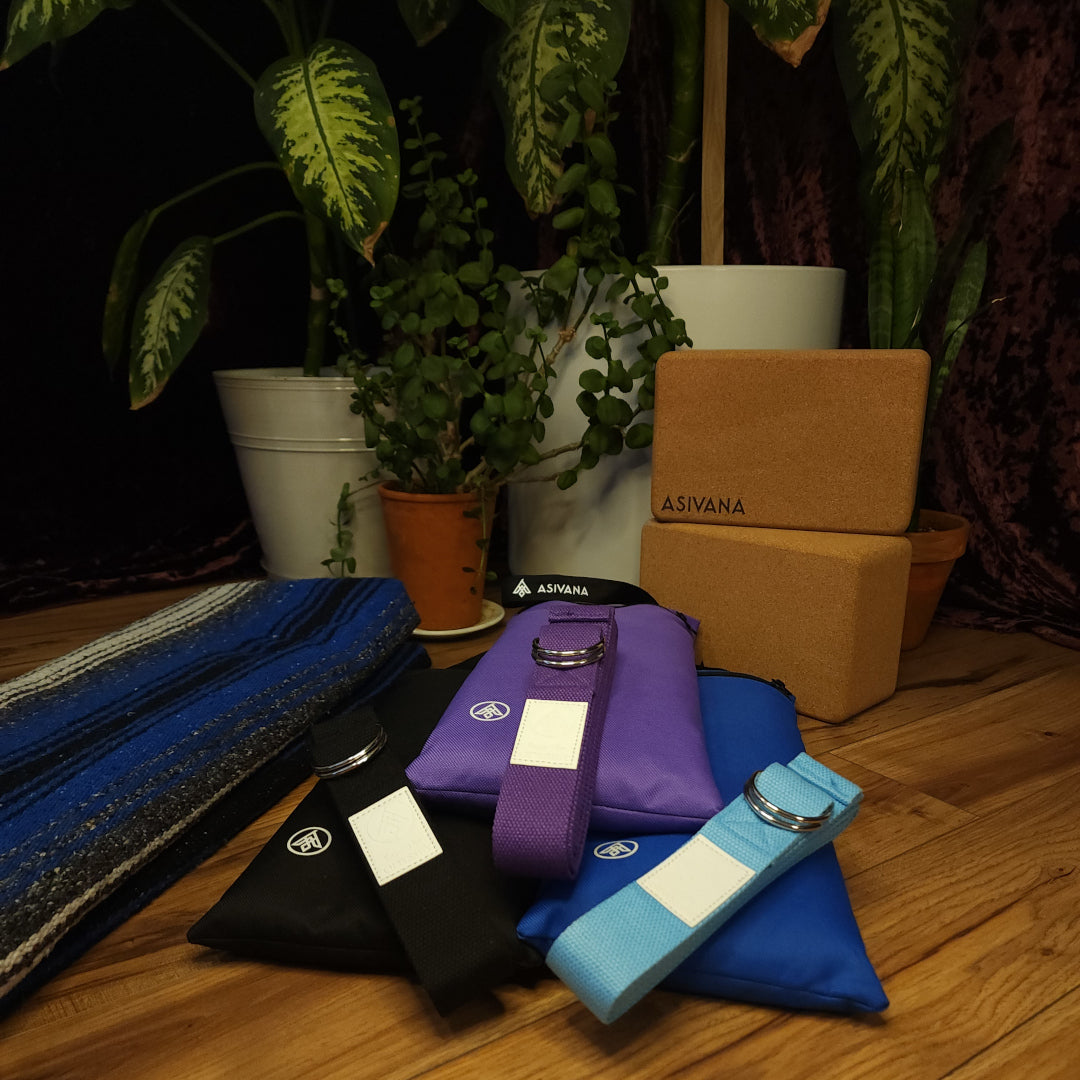
Foam blocks are lightweight and comfortable for restorative stretching and everyday yoga practice. Cork blocks provide a firmer surface that many practitioners appreciate for standing poses and weight-bearing support.
Height also matters. Because a block has three different dimensions, you can place it on its lowest, medium, or tallest side depending on how much support you need. There is no single correct height. Select the position that allows steady breathing and balanced alignment.
If you are building a home practice, owning two matching blocks creates more setup options because many poses benefit from symmetrical support beneath both hands or both sides of the body.
Asivana Yoga offers yoga prop categories that can support a thoughtful home practice. When selecting any yoga block, prioritize stability, comfort, and a shape that encourages consistent use rather than choosing based only on appearance.
Common mistakes when using yoga blocks
Blocks are simple tools, yet a few habits can limit their effectiveness.
- Using a block that is too low, causing you to round your spine or strain to reach it.
- Leaning heavily onto the block instead of using it as light support.
- Holding your breath while trying to stretch deeper.
- Treating flexibility as a competition instead of paying attention to body position.
- Removing the block too soon because you feel you should no longer need it.
Progress in flexibility is rarely measured by how quickly you stop using props. A block remains valuable even for experienced practitioners because mobility changes from day to day depending on activity, recovery, and overall health.

Building a consistent flexibility routine with blocks
A short, regular practice is generally more effective than occasional long stretching sessions. Consider spending ten to fifteen minutes several days each week focusing on major areas such as the hamstrings, hips, calves, chest, and shoulders.
Move into each pose gradually and breathe steadily. Rather than forcing additional depth, allow the support of the block to create a position that feels sustainable for several breaths. Over time you may notice improved comfort in everyday movement as well as greater ease in yoga postures.
It is also helpful to remember that flexibility is only one part of healthy movement. Strength, balance, and body awareness all contribute to comfortable mobility. Blocks can support these qualities by encouraging better alignment throughout practice.
FAQ
Are yoga blocks good for increasing flexibility?
Yes. Yoga blocks support proper alignment and reduce unnecessary strain, allowing muscles to relax more effectively during stretching.
Should beginners use yoga blocks for flexibility?
Absolutely. Blocks help beginners practice poses with better posture while making stretching more comfortable and accessible.
How many yoga blocks do I need?
One block works for many poses, but two blocks provide greater versatility and balanced support in standing and seated postures.
Can experienced practitioners still benefit from yoga blocks?
Yes. Experienced practitioners often use blocks to refine alignment, explore different variations, and support recovery or restorative sessions.
How often should I practice flexibility with yoga blocks?
Practicing for ten to fifteen minutes several times each week is a realistic starting point. Consistency usually matters more than long sessions.