Yoga Studio Retail Products
Jack UtermoehlYoga studio retail products are carefully chosen items that support students before, during, and after class while providing an additional source of studio revenue. The strongest retail selections reflect the needs of the community, reinforce the studio's teaching philosophy, and focus on practical, useful products rather than a large inventory. A thoughtful approach helps students find items they will genuinely use in their practice.
Why retail belongs in a yoga studio
A yoga studio is more than a place where classes take place. It is also a learning environment where students develop home practice habits, ask questions, and discover tools that make practice more comfortable and consistent.
Retail can support that learning when products are recommended because they solve real problems. A student who struggles to sit comfortably may benefit from a meditation cushion. Someone building a home practice may appreciate a yoga strap or block. A teacher can explain how each item is used, allowing the purchase to become part of the educational experience.
When yoga studio retail products are selected with this mindset, they become an extension of teaching instead of a separate sales effort.
Core product categories to consider
Practice essentials
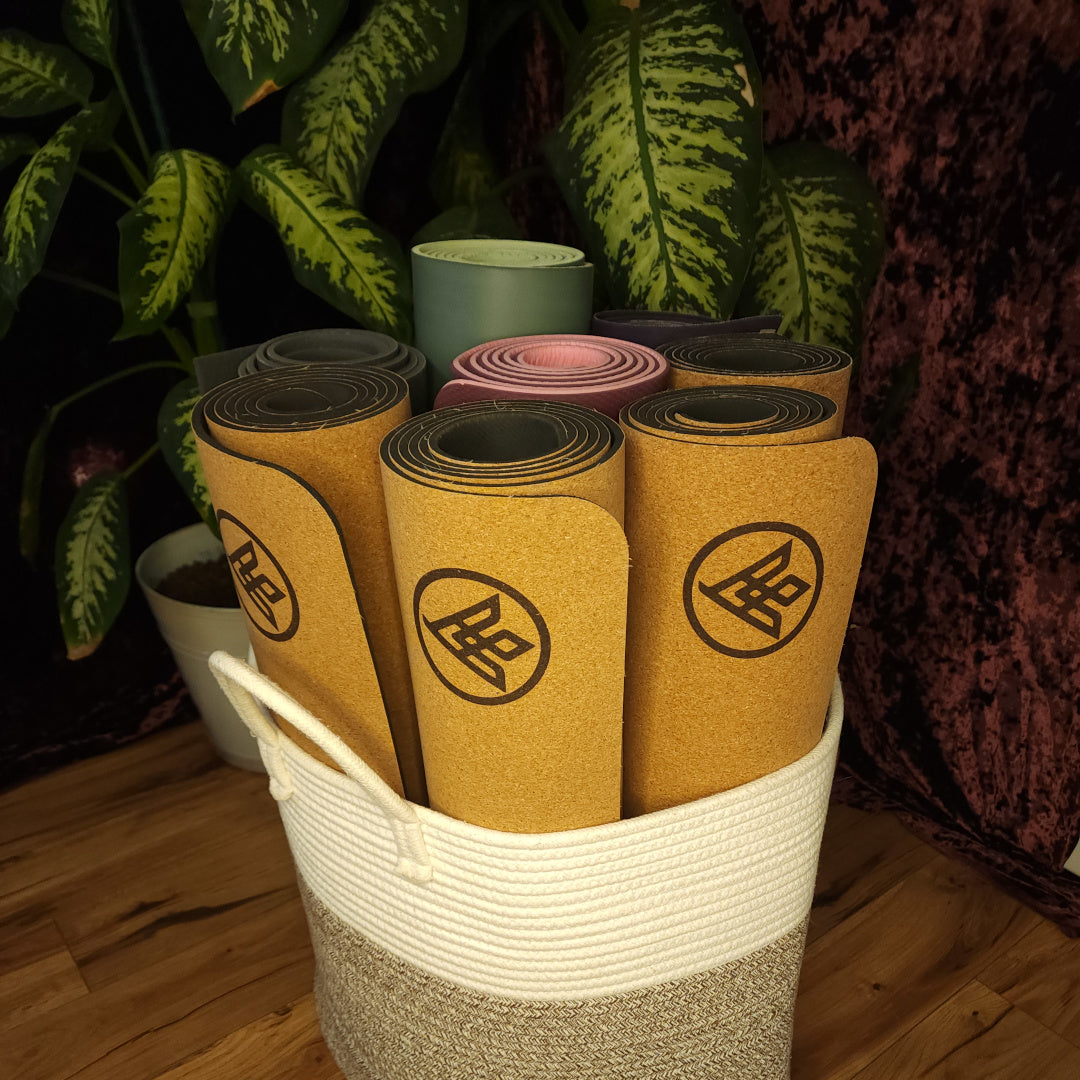
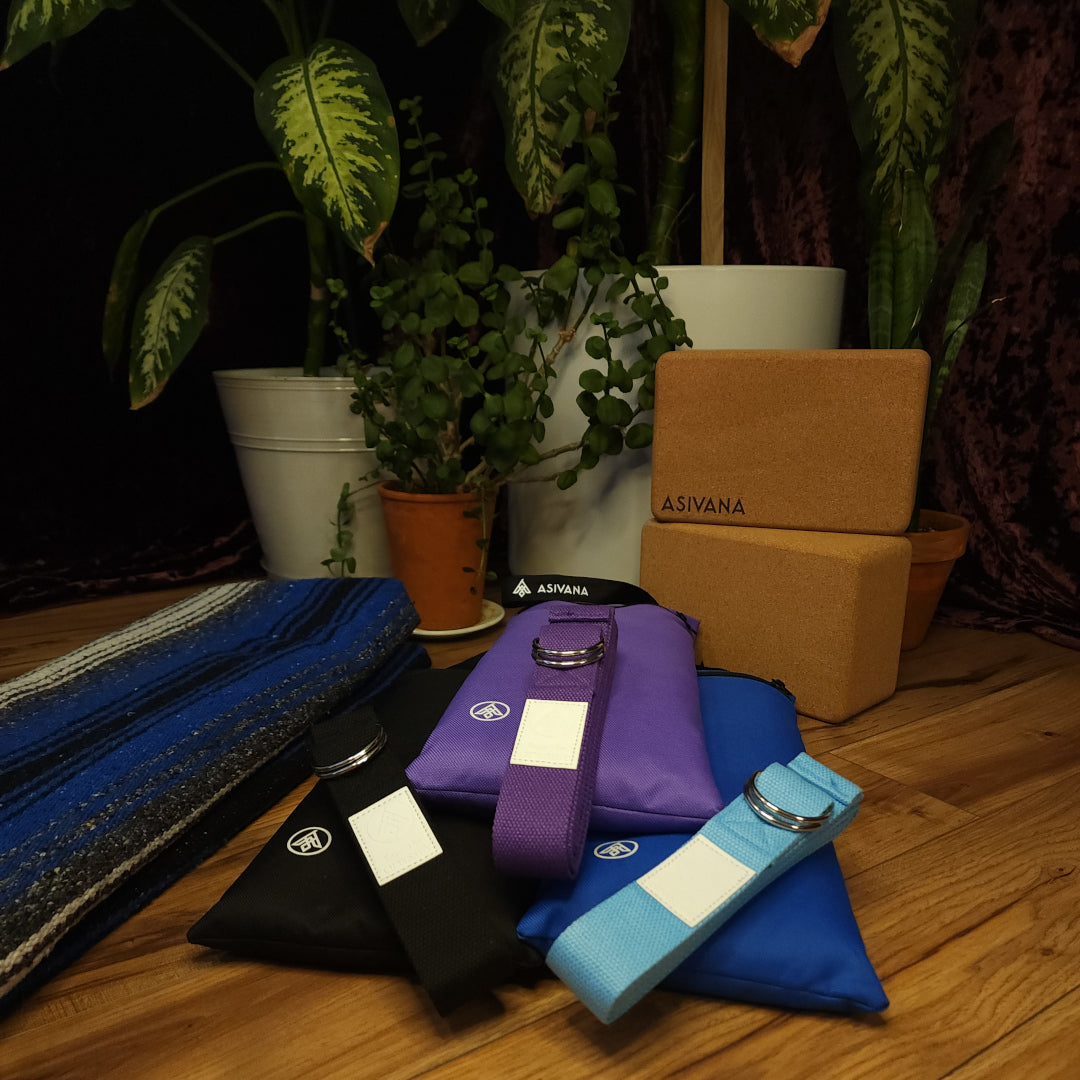
Many studios begin with products that students use regularly in class or at home. These often include yoga mats, blocks, straps, blankets, bolsters, and towels. Students can replace worn equipment or purchase items for personal practice.
Meditation accessories
Meditation cushions, supportive props, and simple accessories can help students establish a comfortable seated practice. Teachers can explain when each option is appropriate and how proper support encourages longer, more relaxed sitting.
Personal accessories
Water bottles, mat carriers, storage solutions, and similar accessories meet everyday needs without overwhelming the retail space.
Meaningful gifts
Jewelry and small keepsakes can complement a studio's offerings when they reflect the community's values. These products often appeal during holidays, teacher trainings, and special events.
How to choose products that fit your community
The best retail assortment depends on who attends your classes. A studio serving beginners may prioritize foundational practice props. A studio with a strong restorative program may stock additional bolsters and blankets. A community focused on meditation may appreciate supportive seating and quiet practice accessories.
Listen carefully to common student questions. If students regularly ask how to practice at home, retail can provide practical solutions. If teachers frequently lend props during class, there may be demand for personal versions.
It also helps to keep inventory focused. A smaller selection of carefully chosen products is often easier for students to understand and easier for staff to recommend confidently.
Once you have selected products, our yoga retail display ideas cover how to present them. For classroom inventory, refer to how to stock a yoga studio so your retail assortment complements the equipment students already use.
Building a retail space that supports education
Presentation matters because it helps students understand how products are used. Display props where students can handle them. Keep similar items together. Use simple signs that explain the purpose of each category.
Teachers play an important role as well. A brief demonstration during class can answer questions naturally. For example, showing how a strap supports hamstring flexibility or how a block improves alignment gives students practical context.
Retail conversations should remain educational. Students appreciate guidance that begins with their practice goals instead of a sales pitch.
Choosing quality over quantity
A common mistake is carrying too many different products without a clear reason. Every item should have a purpose within your teaching approach.
Consider questions such as:
- Does this product solve a common problem for students?
- Can teachers explain how and when to use it?
- Does it reflect the values of the studio?
- Will students continue using it after purchase?
These questions encourage thoughtful decisions that benefit both students and studio operations.
If you choose to include Asivana Yoga product categories, focus on items that directly support practice, such as yoga props, accessories, or thoughtfully selected yoga jewelry. Recommendations work best when they arise from genuine teaching moments rather than promotional messaging.
Managing inventory with intention
Retail success is supported by consistent inventory management. Track which items sell steadily throughout the year and which products move only during seasonal events. Keep enough stock of everyday essentials while avoiding unnecessary duplication.
Staff should understand basic product information so recommendations remain accurate and helpful. Short training sessions where teachers handle products and discuss their practical uses can improve confidence without creating pressure to sell.
Review your retail selection regularly. Community needs change over time, and your inventory can evolve alongside your classes, workshops, and teaching focus.
FAQ
What are the most important yoga studio retail products?
Practice essentials such as yoga mats, blocks, straps, blankets, bolsters, towels, and supportive accessories are often the foundation because students use them regularly.
How many retail products should a small yoga studio carry?
Many studios benefit from starting with a focused assortment that reflects their teaching style. Expanding gradually based on student demand is often easier to manage than launching with a large inventory.
Should teachers recommend products during class?
Teachers can recommend products when the suggestion supports learning. Demonstrating how a prop improves comfort or alignment helps students make informed decisions.
How do yoga studio retail products support the student experience?
They provide practical tools for home practice, improve comfort during class, and help students continue applying what they learn outside the studio.
Can retail reflect a studio's values?
Yes. Selecting useful, well-considered products that align with the studio's educational approach creates a consistent experience for students.