Integrating Shadow Work with Yoga Practice
Jack UtermoehlShare
As a yoga teacher, I often see students struggle with self-discovery and acceptance. This is where shadow work, as taught by Carl Jung, becomes invaluable. But what exactly is the shadow, and why is it important to work on it?
Understanding the Shadow
In psychology, the shadow refers to the unconscious aspects of our personality that we repress or hide from ourselves. This includes negative traits, fears, and desires that we find uncomfortable or shameful. Ignoring these aspects can create inner turmoil, contribute to negative behaviors, and limit personal growth.
Why Shadow Work Matters
By acknowledging and embracing our shadow, we gain a greater understanding of ourselves and improve our relationships with others. Accepting the parts of ourselves that we previously ignored or denied allows us to become more authentic and integrated individuals.
Integrating Shadow Work Through Yoga
Yoga can play a crucial role in shadow work. Through self-reflection during practice, we bring unconscious thoughts and feelings to the surface, acknowledging and processing them. Certain yoga postures help release physical tension and emotional blockages, facilitating access to and integration of our shadow.
Techniques to Support Shadow Work
- Journaling: Reflect on your thoughts and emotions to gain deeper insights.
- Therapy: Professional guidance can help process complex feelings.
- Dream Analysis: Explore unconscious thoughts through dream interpretation.
- Active Imagination: Engage in dialogue with your unconscious mind, a technique popularized by Carl Jung.
Approaching Shadow Work
Successful shadow work requires compassion, patience, and an open mind. This process can be challenging and emotional, but the rewards are worth it. Embracing our whole self, including the parts we once thought were unacceptable, leads to greater inner peace and fulfillment.
Tools for Your Journey
- Yoga: A practice that supports physical and emotional release.
- Journaling: A method for self-reflection and processing emotions.
- Therapy: Professional support for deeper insights.
- Dream Analysis & Active Imagination: Techniques for uncovering and integrating the shadow.
Embracing Shadow Work
Shadow work is an important aspect of self-discovery and personal growth. By acknowledging and embracing our shadow, we become more authentic and integrated individuals. Yoga, journaling, therapy, dream analysis, and active imagination are all tools that can help us on this journey. Approach shadow work with compassion and an open mind, and enjoy the journey of self-discovery and growth.
Enhancing Your Practice with Asivana's Cork Yoga Mat
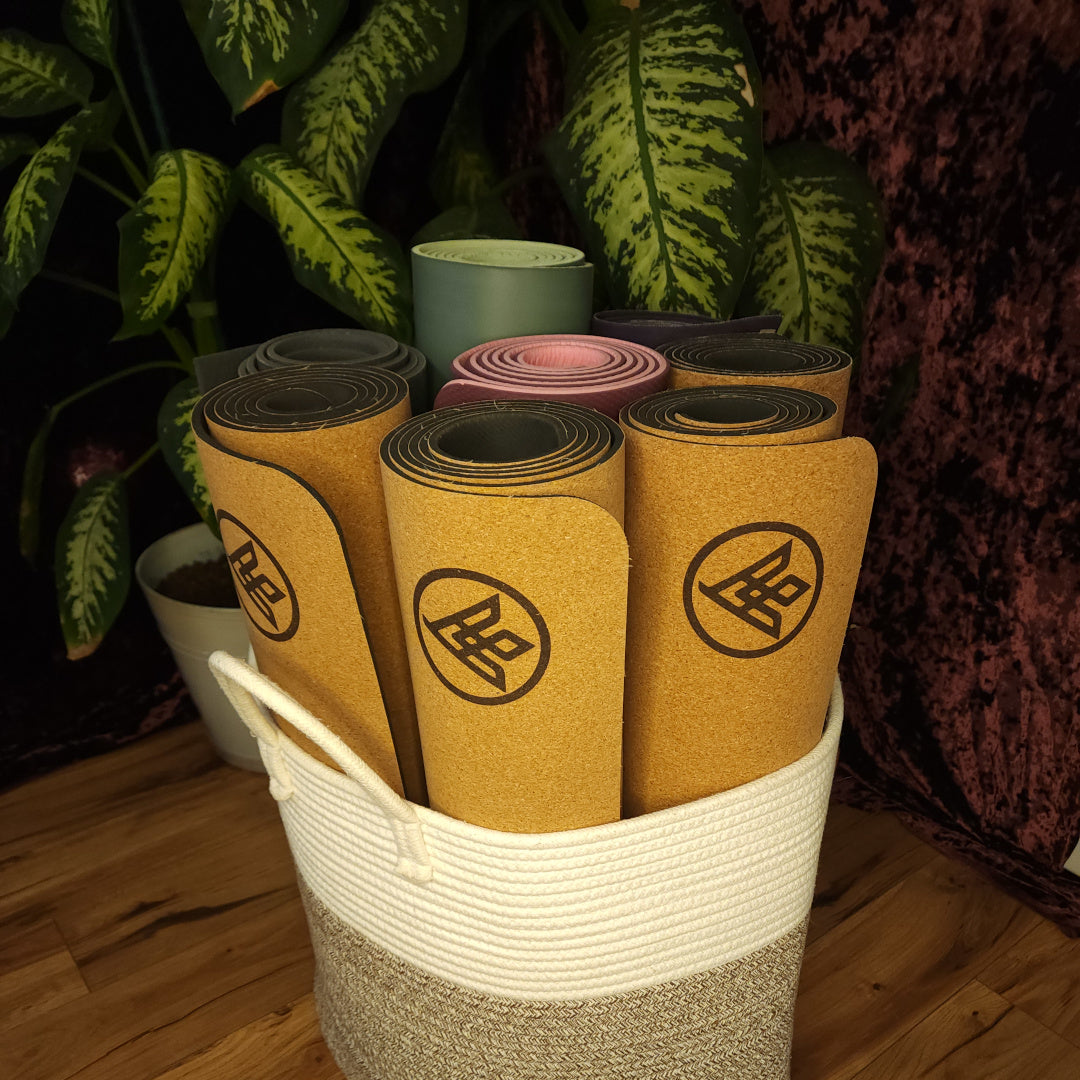
As you explore shadow work, consider incorporating a supportive and stable surface for your yoga practice with Asivana's cork yoga mat. Our mat is environmentally friendly and its natural grip will support you as you delve deeper into your practice and your shadow. Take the next step in your shadow work journey and try Asivana's cork yoga mat today.