Yoga at Home vs Studio
Jack UtermoehlIn today’s yoga landscape, practitioners can roll out a mat at home, drop in for a studio class, or use a hybrid approach. Digital platforms and YouTube have democratized access, while studios still offer hands‑on instruction, accountability and community.
Choosing between home practice and studio classes often comes down to cost, convenience, learning quality and personal preferences. This article helps beginners weigh these factors and decide where to spend their time and why a hybrid of both can be so effective.
The Core Differences
Studio: a structured, guided environment where trained teachers give real‑time feedback. The atmosphere and group energy encourage commitment.
Home: a self‑directed space with total flexibility and low cost. Practitioners control lighting, music and schedule.
Both environments support yoga practice, but each serves different needs. Understanding the unique advantages and limitations helps you choose the right setting for each stage of your journey.

Advantages of Practicing Yoga in a Studio
Higher‑Quality Instruction
Teachers watch your alignment and offer adjustments and verbal cues that build safe technique. Live guidance helps beginners progress more quickly.
Studios offer progressive class levels (beginner, intermediate, advanced) and specialized types of yoga such as Yin, Kundalini or Ashtanga.
Built‑In Accountability
Paying for a class or membership and physically showing up adds structure to your week. Many practitioners need this external commitment to stay consistent.
Teachers and peers expect your presence. That social factor keeps you practicing even when motivation temporarily dips.
Community and Belonging
Studio classes provide human connection and shared energy. Many students report feeling closer to their community after regular practice.
Workshops and specialty classes create deeper learning and friendships.
Environment Designed for Focus
Purpose‑built yoga rooms have proper ventilation, props and quiet ambiance. Walking into a dedicated space shifts your mindset into “practice mode.”
Specialty Class Access
Studios host hot yoga, aerial yoga, restorative and therapeutic classes that are difficult to replicate at home. For example, aerial yoga requires special hammocks and can cost $180–$250 per month.
When a Studio Works Best
Beginners; those who need accountability; practitioners seeking community; students with injuries who need hands‑on adjustments; anyone exploring advanced or therapeutic styles.

Disadvantages of Studio Practice
Cost
Prices are accurate as of 2026.
Drop‑in classes: nationally $25–$28 per class. Major cities can charge $28–$35, while small towns may charge $12–$18.
Unlimited memberships: $120–$200 per month, with national averages around $150–$180. Premium studios in major metro areas run $180–$250+.
Limited class packages: 4 classes/month cost $60–$90; 8 classes/month cost $110–$150; 10 classes/month cost $130–$180.
Extra fees: registration ($0–$50), mat rentals ($2–$5 per class) and towel service ($2–$5) add to the bill.
Scheduling Constraints
Class times are fixed. You have to conform your schedule to the studio’s timetable. High‑demand classes fill quickly, and waitlists and sometimes even cancellation fees (rare) penalize no‑shows.
Commuting & Accessibility
Urban practitioners face traffic and parking challenges; rural practitioners may drive long distances. For instance, small towns often have only one studio and classes may be seasonal or limited.
Sensory Preferences
Group classes can be overstimulating. Some students prefer the quiet solitude of home practice.
Advantages of Practicing Yoga at Home
Cost Efficiency
YouTube & free classes: Many high‑quality teachers like Yoga with Adriene offer full classes at no cost.
Low‑cost subscriptions: Platforms such as Yogaia ($19.99 per month or $9.99/month with an annual plan), Down Dog ($7.99/month or $39.99/year) and DoYogaWithMe ($13.99/month or $108.99/year) provide unlimited classes at a fraction of studio prices.
No travel or membership fees: Practicing at home eliminates commuting costs and registration fees.
Complete Schedule Flexibility
You choose when and how long to practice. Early mornings, lunch breaks, late nights, whenever, your mat is always ready. This freedom is ideal for parents, remote workers and students.
Full Control Over Environment
At home you set the temperature, music and lighting. You can personalize your space with props, candles and other yoga room ideas that create a personal sanctuary. This customization helps sustain daily practice.
You can even practice hot yoga at home without breaking the bank on heating by using the hot yoga dome.
Privacy and Comfort
Practicing alone removes social pressure. Beginners often feel more comfortable trying new poses without an audience. Home practice encourages introspection and personalized pacing.

Disadvantages of Home Practice
Lack of Expert Feedback
Without an experienced teacher’s eye, it’s easy to develop detrimental misalignments or skip poses that are challenging. This limits progression and can increase chronic and acute injury risk.
Lower Accountability
No one notices if you skip a class or cut it short. Household distractions like kids, pets, and chores can easily interrupt your focus.
Limited Space or Props
Not everyone has a dedicated yoga room. Practicing in a multipurpose room may be cramped. Some poses require blocks, straps or bolsters; without them, your practice might plateau.
Another issue is you may only have carpet surfaces to practice on. This is common in apartments. The good news is this Bamboo Root Board is designed to create a stable surface over a soft surface.
Practice Foundation Considerations
Skills Development Considerations
Technique and safety: Hands‑on adjustments and real‑time cues in a studio are invaluable for learning proper alignment. They reduce injury risk and accelerate mastery. Over 75% of studio practitioners report improved physical strength and over 80% experience significant relief from back pain.
Progression: Teachers can suggest modifications and help you advance to more challenging variations. Class sequencing often has a deliberate progression that may be missing from home sessions.
At home: You need to be self‑aware and disciplined. Use mirrors or record yourself to check alignment. Online platforms with clear verbal cues help but cannot replace a teacher’s adjustments.
Accountability and Motivation
Many beginners struggle with consistency. Studios provide built‑in accountability through scheduled classes and community support.
85% of yoga practitioners practice at home at least some of the time, but only 6% regularly use streaming services. This suggests that while home practice is common, most people still rely on external instruction.
52% of practitioners have taken online classes, and 74% supplement their practice with online resources. A hybrid approach helps maintain motivation: studio classes anchor your week, while home sessions fill gaps.
Financial Comparison
The table below summarizes typical costs for various yoga options in 2025. Prices vary by region; urban centers often charge higher rates than rural areas
Option |
Price Range |
Notes |
|---|---|---|
| Studio drop-in class |
$15–$22 in small towns $22–$28 in mid-sized cities $28–$35 in major metro areas |
Pay-per-class; highest per-class cost; good for trial or occasional visits |
| Unlimited studio membership | $120–$200/month (national average $150–$180) | Attend as many classes as you like; break-even at about 6–8 classes per month |
| Limited studio package |
4 classes: $60–$90 8 classes: $110–$150 10 classes: $130–$180 |
Good for 1–2 classes per week; unused classes may roll over |
| Specialty studio memberships | Hot yoga: $160–$220/month; Aerial yoga: $180–$250/month | Higher due to heating, equipment and smaller class sizes |
| Online subscription |
Yogaia: $19.99/mo or $9.99/mo annually Down Dog: $7.99/mo or $39.99/yr DoYogaWithMe: $13.99/mo |
Unlimited access from home; low barrier to entry |
| Private session | $50–$150 per hour for individual lessons | Higher cost; personalized instruction; some teachers travel to your home |
Urban vs. Rural: How Location Shapes Your Choice
Location dramatically affects both cost and accessibility:
Major cities (New York, Los Angeles, San Francisco): unlimited memberships cost $180–$250/month and drop‑in classes $28–$35. Studios offer many class styles and times but commuting and parking can be challenging.
Mid‑sized cities (Austin, Denver, Portland): unlimited memberships $130–$170; drop‑ins $22–$28. Good variety with slightly lower cost.
Smaller towns: unlimited memberships $100–$140; drop‑ins $15–$22. Class variety may be limited; schedules can be sparse.
Rural areas: memberships $80–$120; drop‑ins $12–$18. Studios may be few and far between, so many rural practitioners rely on home practice supplemented by occasional studio visits.
Setting Up a Home Yoga Space
Creating a personal practice area doesn’t require a dedicated room rather just some consistency and creativity. Here are some yoga room ideas:
Choose a consistent area: a corner of your bedroom, living room or patio. Roll out your mat in the same spot each time to build routine.
Light and ambiance: natural light is ideal; supplement with candles or soft lamps. Use essential oils or incense to signal the start of practice.
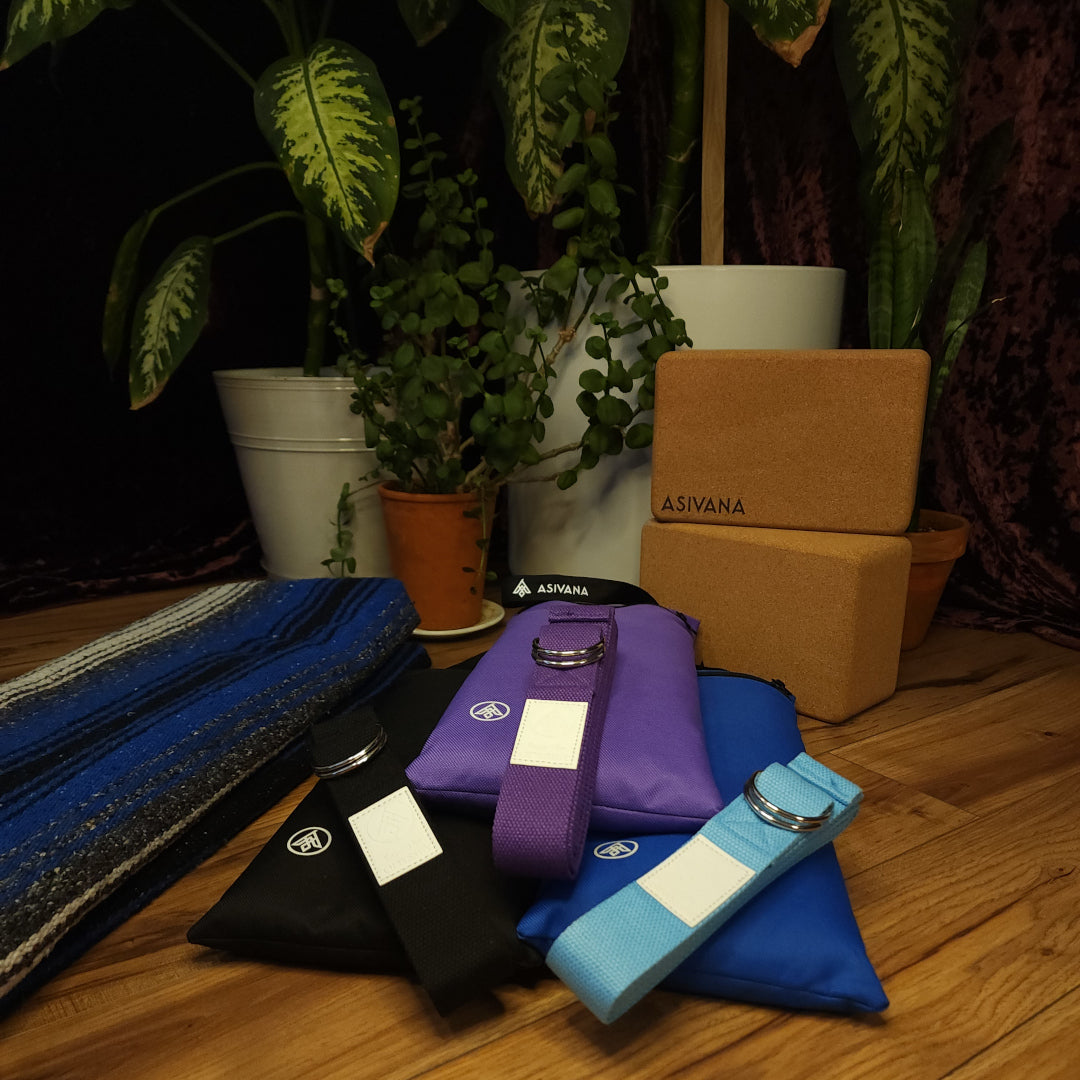
Props: start with a mat and household items (books as blocks, belts as straps). Invest in blocks, bolsters and blankets over time.
Personal touches: add plants, art or inspiring quotes. Keep the space uncluttered so you can move freely.
Sound: a Bluetooth speaker for music or guided classes; noise‑canceling headphones if needed.
These simple touches transform a small corner into a supportive sanctuary and encourage regular practice.

Pros and Cons of a Yoga at Home vs Studio
What Studios Offer That Home Practice Can’t Fully Replicate
Real‑time adjustments: Teachers correct alignment and prevent injury.
Energy of group practice: Shared breath and movement can feel uplifting and motivating.
Access to specialty classes: Hot yoga, aerial yoga and advanced workshops require specialized equipment and instruction.
Mentorship and relationships: Long‑term teacher guidance fosters growth and accountability. Many practitioners report a sense of community and desire to give back.
What Home Practice Offers That Studios Can’t Fully Replicate
Unlimited schedule adaptability: Practice whenever you want, for any length. No commute means you can fit short sessions into busy days.
Zero social pressure: Explore poses at your own pace; feel safe to modify or rest.
Integration into daily life: Home practice can become a seamless part of your morning routine or bedtime wind‑down.
Deep introspection: Meditation, Yoga Nidra and pranayama often feel more personal when practiced alone.
Pros and Cons Table
Factor |
Studio Practice |
Home Practice |
|---|---|---|
| Cost | Higher: drop-ins $20–$35; memberships $120–$200/month | Lower: free YouTube classes; online subscriptions $8–$20/month |
| Convenience | Requires commuting and fixed class times | Practice anytime; no commute |
| Safety & Technique | Professional guidance; alignment corrections; safer progression | Self-directed; risk of misalignment without feedback |
| Progression | Structured sequences; access to advanced workshops | Depends on self-discipline; progression may plateau without guidance |
| Community | Sense of belonging; shared energy; support network | Solitary practice; online forums or social media for community |
| Space/Equipment | Fully equipped studios with props | Requires creating a practice space; may need to invest in props |
| Motivation & Accountability | High due to scheduled classes and peers | Low to moderate; requires self-motivation |
| Class Variety | Wide variety including hot, aerial and specialty classes | Depends on subscription platform; limited by personal space |
| Sensory Preferences | Group energy may be invigorating or overstimulating | Quiet, controlled environment |
| Long-Term Sustainability | Can become expensive; consistent practice fosters long-term growth | Highly sustainable if self-discipline is strong; risk of inconsistent practice |
When to Choose a Studio, Home Practice, or Both
Beginners: Studio classes are recommended to build a foundation, learn proper alignment and stay motivated.
Busy schedules: Home practice offers flexibility. Ten‑minute morning flows or bedtime stretches help maintain consistency.
Meditation and Yoga Nidra: Quiet home spaces allow deeper relaxation and introspection.
Hybrid models: Combining 1–2 studio classes per week with home sessions gives you the best of both worlds. Studios provide expert guidance and community; home practice fills the gaps and reduces overall cost.
Conclusion
Yoga is a versatile practice that adapts to your lifestyle. Studios provide expert instruction, accountability and community which are essential for beginners and those seeking specialized classes.
Home practice offers freedom, affordability and personalization, allowing you to practice whenever and however you like.
A hybrid approach harnesses the strengths of both: attend studio classes for hands‑on guidance and community energy while maintaining a personal practice at home for flexibility and cost savings.
Ultimately, the best choice is the one that aligns with your schedule, budget and personal preferences. Listen to your body, explore different settings and choose intentionally. Yoga will meet you wherever you are.