Yoga Sandbag Poses
Jack UtermoehlYoga sandbag poses use the gentle, steady weight of a sandbag to provide grounding feedback, encourage relaxation, and help practitioners experience greater body awareness. Rather than adding resistance for strength training, yoga sandbag poses are typically used in restorative, yin, and selected standing postures where careful placement supports steadiness, breath, and ease. Safe positioning and appropriate weight are the most important considerations for a beneficial practice.
What are yoga sandbag poses?
A yoga sandbag is a weighted prop designed to rest on specific parts of the body during practice. Unlike handheld weights, a sandbag stays in place, allowing gravity and the breath to work together. The goal is usually to increase proprioception, invite muscles to soften where appropriate, or encourage a stronger connection with the ground.
Sandbags are commonly used in restorative yoga, yin yoga, and therapeutic settings. Teachers may also introduce them in standing poses to help students better understand weight distribution through the feet and legs. The amount of weight should always match the student's experience, comfort, and the purpose of the pose.

How a sandbag changes the experience of a pose
A sandbag offers consistent pressure instead of movement. That steady sensation can make it easier to notice where tension is being held and where support is available. For some practitioners, this improves body awareness and encourages slower, more intentional breathing.
Common effects include:
- A clearer sense of grounding through contact with the floor.
- Gentle feedback that helps maintain alignment.
- Support for longer restorative holds.
- Greater awareness of the breath moving against light resistance.
The effect depends on careful placement. More weight does not necessarily create a better experience. A lighter sandbag positioned thoughtfully is often more useful than a heavier one.
Yoga sandbag poses to explore
Child's Pose
Place a sandbag across the back of the pelvis or the sacrum after settling comfortably into Child's Pose. The weight can encourage the hips to feel more connected to the heels while providing a sense of stability. Avoid placing significant weight directly on the lower back.
Reclined Bound Angle Pose
In Supta Baddha Konasana, a light sandbag may rest across the front of the pelvis or the tops of the thighs, depending on the student's comfort and anatomy. This can encourage the legs to settle without forcing the hips open.
Savasana
One of the most familiar yoga sandbag poses involves placing a light sandbag across the thighs, pelvis, or, in some cases, the hands. Some teachers also place a very light sandbag across the feet. The intention is to create a sense of grounding while allowing the breath to remain natural.
Standing Mountain Pose
Holding a sandbag close to the chest or placing one across the shoulders under teacher supervision can help practitioners notice posture and weight distribution. The focus remains on balanced alignment rather than adding a fitness challenge.
Legs Up the Wall
Depending on the individual, a light sandbag placed across the feet or lower thighs may provide gentle feedback. This should never create strain or interfere with circulation.
Supported Forward Fold
During a seated forward fold with props, a sandbag placed across the thighs can help the legs remain grounded while the spine lengthens naturally. The weight should feel calming rather than restrictive.

Safe placement and when to use caution
A sandbag should rest on broad, well-supported areas of the body. Avoid placing heavy weight on joints, the neck, the abdomen during pregnancy, or any area with an active injury unless guided by a qualified healthcare professional or experienced yoga therapist.
Reduce or remove the sandbag if you notice numbness, tingling, restricted breathing, sharp discomfort, or a sense of being trapped in the pose. The prop should support awareness rather than create unnecessary intensity.
If you are new to using weighted props, begin with short holds and lighter weight. This gives your nervous system time to adapt while helping you understand how different placements feel.
Choosing and using a yoga sandbag
A yoga sandbag should be durable, evenly filled, and comfortable against the body. The exact weight depends on your size, the pose, and your intention for practice. Many practitioners benefit from having more than one option available.
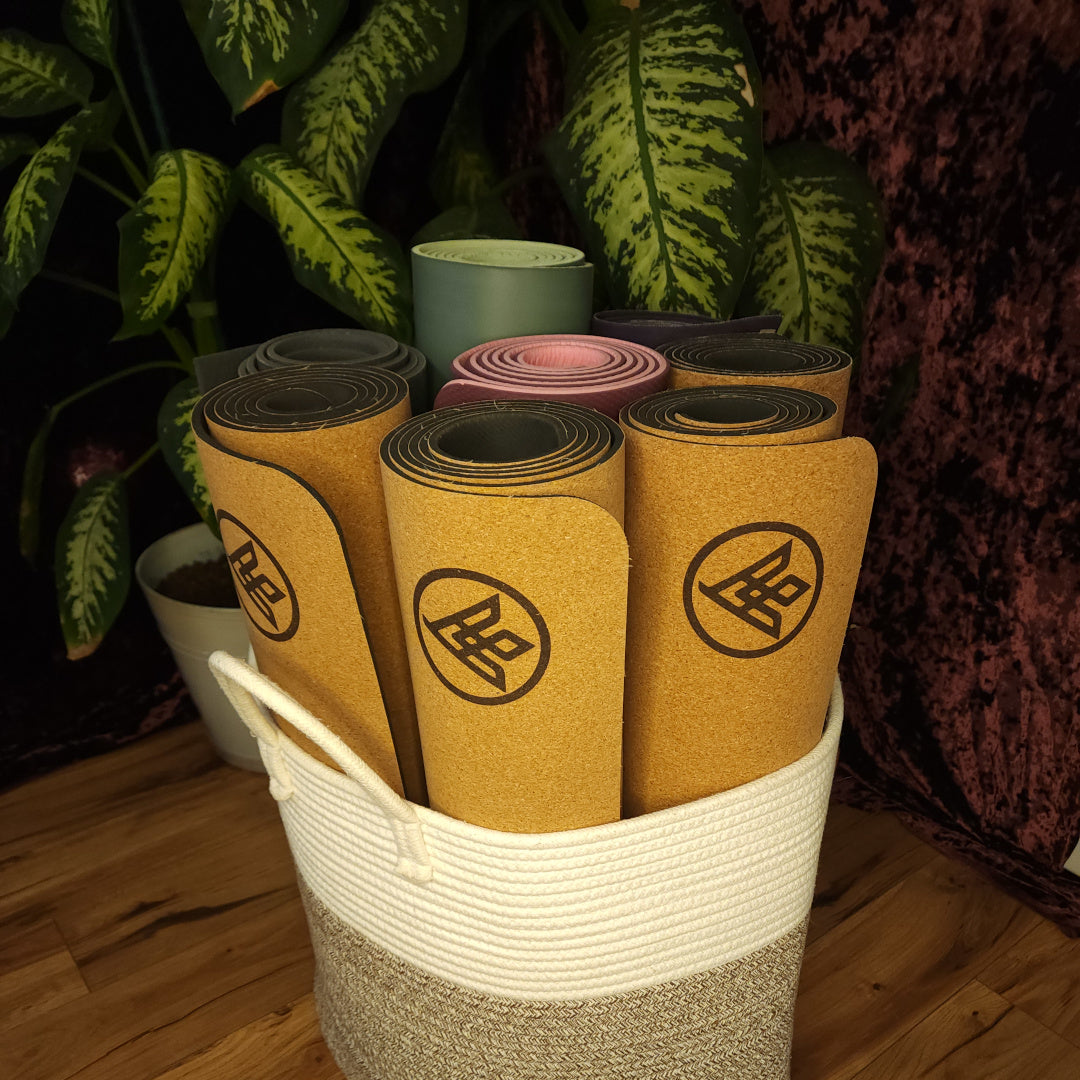
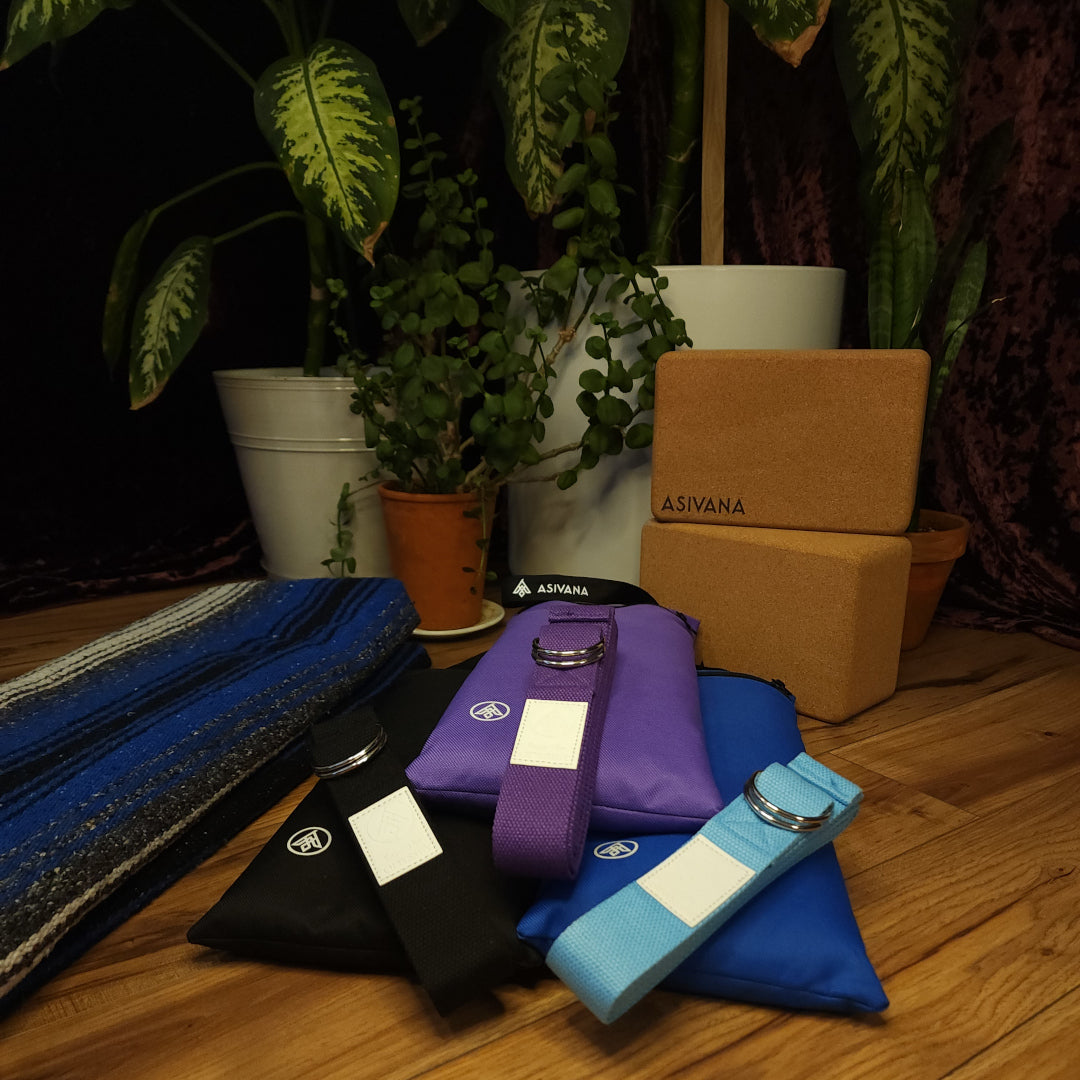
When building a home practice space, consider choosing yoga props that serve multiple purposes. Sandbags pair well with bolsters, blankets, blocks, and straps during restorative sessions. Asivana Yoga offers yoga prop categories that can help create a thoughtful, supportive practice environment without adding unnecessary complexity.
Store sandbags in a dry place and inspect them periodically for wear. Even weight distribution helps them rest comfortably and consistently throughout practice.

Teaching considerations for instructors
Teachers should always ask for consent before placing a sandbag on a student. Demonstrating placement first allows students to choose whether they would like the additional sensation.
Observe each student's breathing after the sandbag is added. If the breath becomes shallow or strained, reduce the weight or remove it. Individual anatomy, previous injuries, and personal comfort all influence how a weighted prop will be experienced.
Offering alternatives is equally important. A folded blanket, bolster, or simply practicing without a sandbag may provide the support a student needs on a given day.
FAQ
What are yoga sandbag poses used for?
They are primarily used to encourage grounding, body awareness, gentle relaxation, and supportive feedback during restorative, yin, and selected standing poses.
How heavy should a yoga sandbag be?
The appropriate weight depends on the pose and the individual. Starting with a lighter option is generally the safest approach until you understand how your body responds.
Can beginners practice with yoga sandbags?
Yes. Beginners can use sandbags when placement is simple, the weight is appropriate, and the practice emphasizes comfort rather than intensity.
Are yoga sandbags the same as fitness sandbags?
No. Yoga sandbags are intended as supportive props that remain in place during poses. Fitness sandbags are designed for dynamic strength exercises.
When should I avoid using a yoga sandbag?
Avoid using one over injured areas, where it restricts breathing, during pregnancy over the abdomen, or anytime it causes discomfort. Seek professional guidance if you have a medical condition affecting safe movement.