Yoga Studio Equipment List & Starter Kit
Jack UtermoehlA yoga studio starter kit is a practical collection of essential equipment that allows you to teach safely, comfortably, and consistently from day one. Most studios begin with quality mats, blocks, straps, blankets, bolsters, storage, cleaning supplies, and simple organizational tools. Choosing durable, versatile equipment first helps create a welcoming space while leaving room to expand as your classes and community grow.
Outfitting a yoga studio? Explore Asivana wholesale yoga props and studio bundles for simple bulk ordering and studio-focused support.
What belongs in a yoga studio starter kit?
The right yoga studio starter kit depends on your class style, available space, and expected class size. Instead of trying to purchase everything at once, begin with the equipment that supports the widest variety of students and postures.
A strong foundation usually includes:
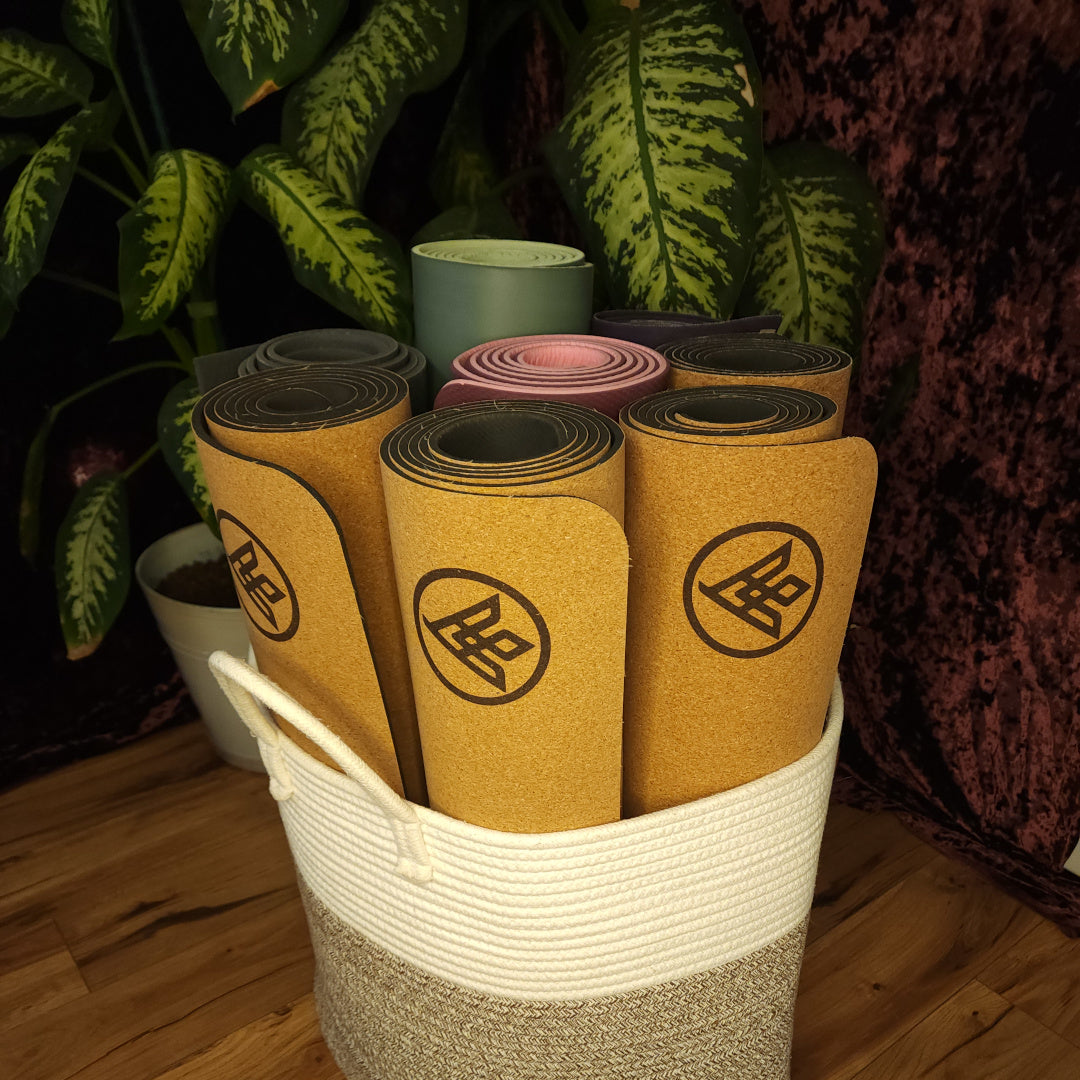
- Yoga mats for students who do not bring their own.
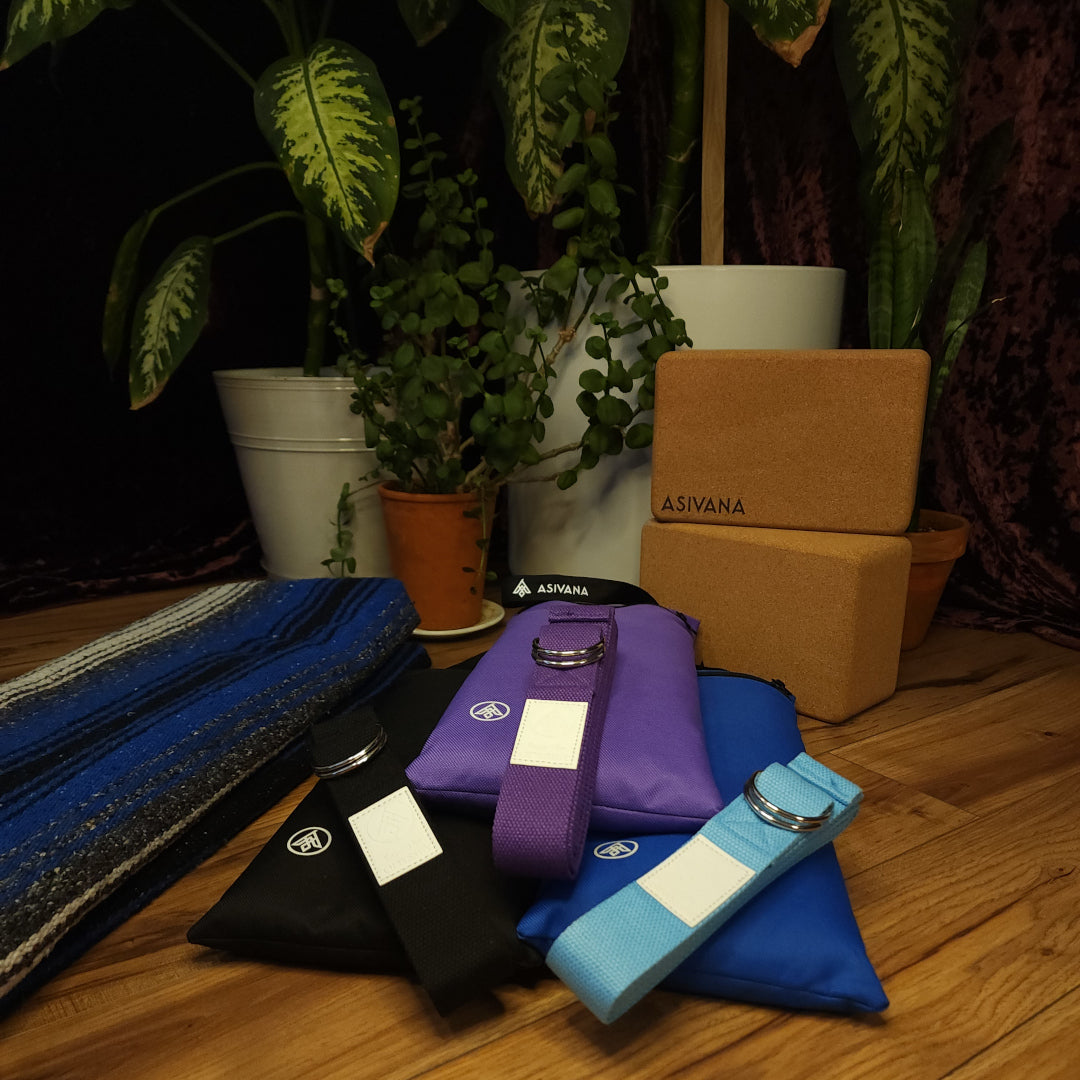
- Yoga blocks for improving accessibility and stability.
- Yoga straps for extending reach and supporting alignment.
- Yoga blankets for seated practice, warmth, and restorative support.
- Bolsters for restorative classes and gentle movement.
- Storage shelves or baskets to keep equipment organized.
- Cleaning supplies for mats and shared props.
- A simple check-in area and basic studio supplies such as a timer and first aid kit.
These essentials support a broad range of classes, from beginner sessions to restorative yoga, while helping instructors adapt poses for different bodies and abilities.

Prioritize equipment that serves the most students
Every purchasing decision should support a clear teaching purpose. Durable equipment that works across many class formats generally provides better long-term value than specialized items used only occasionally.
Mats
If you provide studio mats, choose models that are easy to clean and suitable for repeated use. Some students will continue bringing their own mats, so you may not need one for every possible attendee when opening.
Blocks
Blocks are among the most frequently used yoga props. They help students find steadier alignment, reduce unnecessary strain, and make many poses more accessible.
Straps
Straps allow students to work within their available range of motion without forcing flexibility. They are inexpensive additions that expand teaching options.
Blankets and bolsters
These become especially valuable for restorative, prenatal, meditation, and gentle classes. Even active classes often use blankets for seated comfort or shoulder support.
If you are purchasing from Asivana Yoga, focus on the prop categories that best match your class offerings rather than trying to fill every possible need immediately.
Planning quantities for your class size
One of the most common questions when assembling a yoga studio starter kit is how many props to purchase.
A practical starting point is to estimate your average attendance rather than your maximum capacity. Many new studios grow gradually, making phased purchases more manageable.
For each regular student space, consider having:
- One mat available for studio use if you expect students without personal mats.
- Two blocks.
- One strap.
- One blanket.
Bolsters may be purchased in smaller quantities if restorative classes are offered less frequently. Additional props can be added as demand increases.
Keeping a few extra blocks and straps available also gives instructors flexibility when adapting poses during class.

Creating a space that feels organized and welcoming
Equipment is only one part of a successful studio. Organization affects how students experience the space from the moment they arrive.
Clearly designated storage helps students find and return props independently. Simple shelving, labeled baskets, or wall storage can reduce clutter while protecting equipment from unnecessary wear.
Allow enough space between practice areas for students to move comfortably. Teachers also benefit from having room to observe alignment and offer guidance without navigating crowded pathways.
A consistent cleaning routine should be part of the studio's daily operations. Shared mats and props need regular care to maintain cleanliness and extend their lifespan.
Buying in stages instead of all at once
Opening a studio often involves balancing priorities with available resources. A phased purchasing plan allows you to invest where it matters most first.
Many studio owners begin with:
- Core teaching props.
- Basic storage.
- Cleaning supplies.
- Reception essentials.
As classes become established, additional equipment can include meditation cushions, extra bolsters, specialty props for workshops, or additional studio mats.
This approach also allows instructors to learn how students actually use the space before investing in less frequently used equipment.

Choosing quality over quantity
Shared studio equipment experiences regular use. Well-made props often maintain their shape and function longer than lower-quality alternatives, making them easier to care for over time.
When comparing options, consider durability, ease of cleaning, comfort during repeated use, and how well each item supports your teaching style.
Thoughtful purchasing also reduces unnecessary replacement. Building your yoga studio starter kit gradually with dependable equipment often creates a more consistent experience for students than filling the room with items that wear out quickly.
Asivana Yoga offers yoga props and accessories that can support studios looking to build a functional practice environment. When selecting products, match each purchase to the classes you teach and the needs of your students.
FAQ
What is the most important item in a yoga studio starter kit?
Yoga props such as blocks and straps are often the most widely used because they help instructors adapt poses for many different students. Studio mats are also important if you expect students who do not own one.
How many yoga blocks should a new studio buy?
A practical starting point is two blocks for each regular student space, with a few extras available for demonstrations or individual modifications.
Should every studio have bolsters?
Bolsters are especially valuable for restorative, gentle, and meditation classes. Studios focused primarily on active flow classes may begin with fewer bolsters and expand later.
Can I build a yoga studio starter kit on a limited budget?
Yes. Begin with versatile essentials such as mats, blocks, straps, blankets, storage, and cleaning supplies. Expand your equipment as attendance and programming grow.
How often should shared yoga equipment be cleaned?
Studio mats should be cleaned regularly according to your cleaning routine, and shared props should be inspected and cleaned consistently to maintain a welcoming practice environment.