What Yoga Props Do Beginners Need?
Jack UtermoehlYoga can be approachable for everyone, and the right tools make it even more accessible. Props are not signs of inexperience; they are supports that help maintain alignment, improve balance, deepen stretches and reduce the risk of injury. Even seasoned practitioners continue to use props because they allow you to explore more challenging poses safely. Below I’ll explain why props matter and which ones to start with when you’re building your home practice.
Why Use Props?
Props such as mats, blocks, straps, blankets and bolsters are designed to make yoga available to everyone regardless of flexibility or strength. They help you maintain good posture, improve stability and balance, deepen your stretches and fine‑tune alignment. A good prop can make the difference between struggling in a pose and relaxing into it. As a teacher and practitioner, I have found that using props encourages mindful practice rather than forcing yourself into positions that strain the body.

Essential Props for Beginners
Yoga Mat
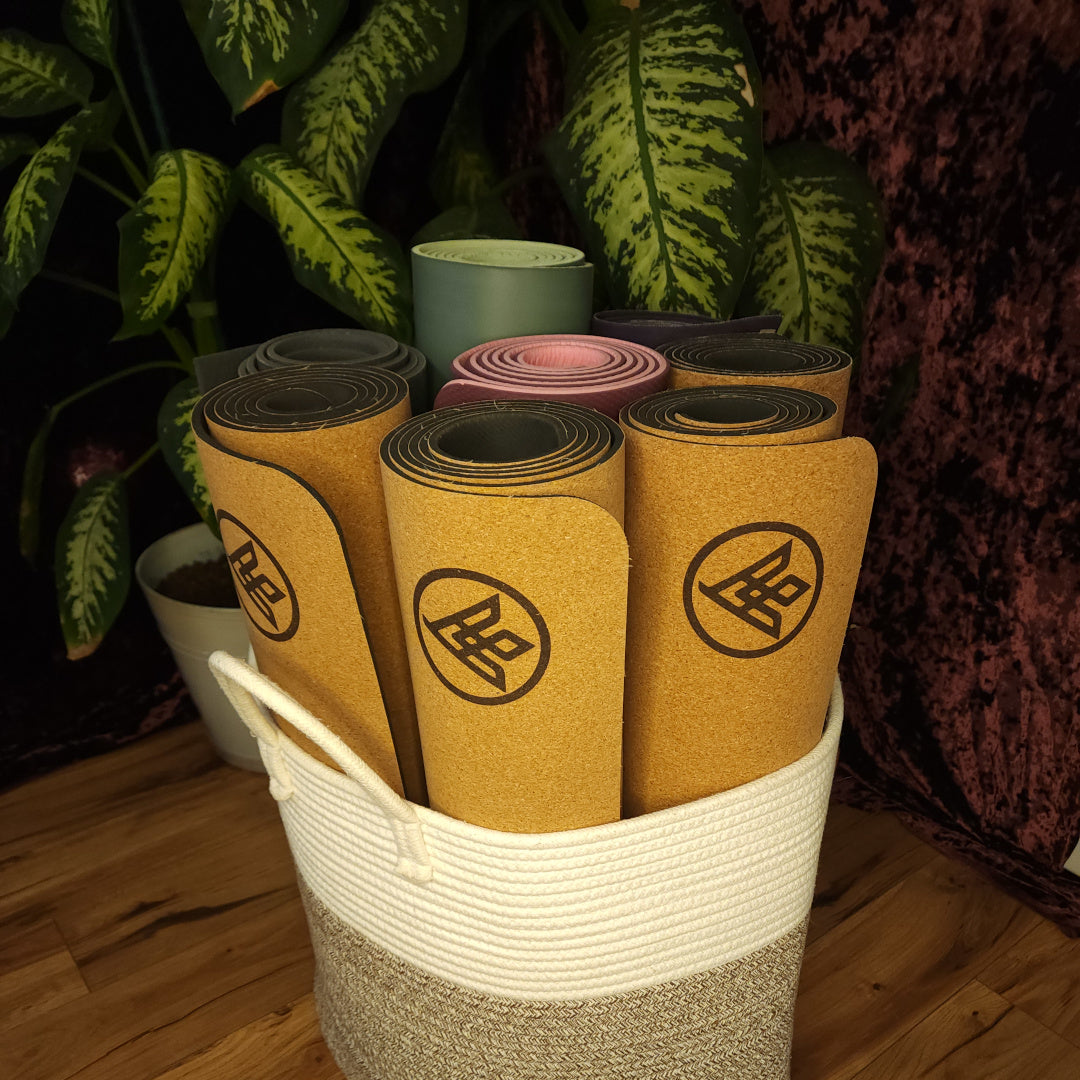
Your mat is your foundation. A quality mat provides a non‑slip surface so you can move confidently and reduces the risk of sliding or falling. It should have enough grip and cushion to support your joints without being spongy. Invest in a durable mat early on; a cheaper mat often needs replacing sooner, which ends up costing more. If you sweat a lot or practice hot yoga, consider adding a grippy towel on top to keep the surface dry.

Asivana recommendation: Try one of our eco‑friendly cork mats that combine excellent grip with sustainable materials. They provide stability for dynamic flows and comfort for gentle practices.
Blocks
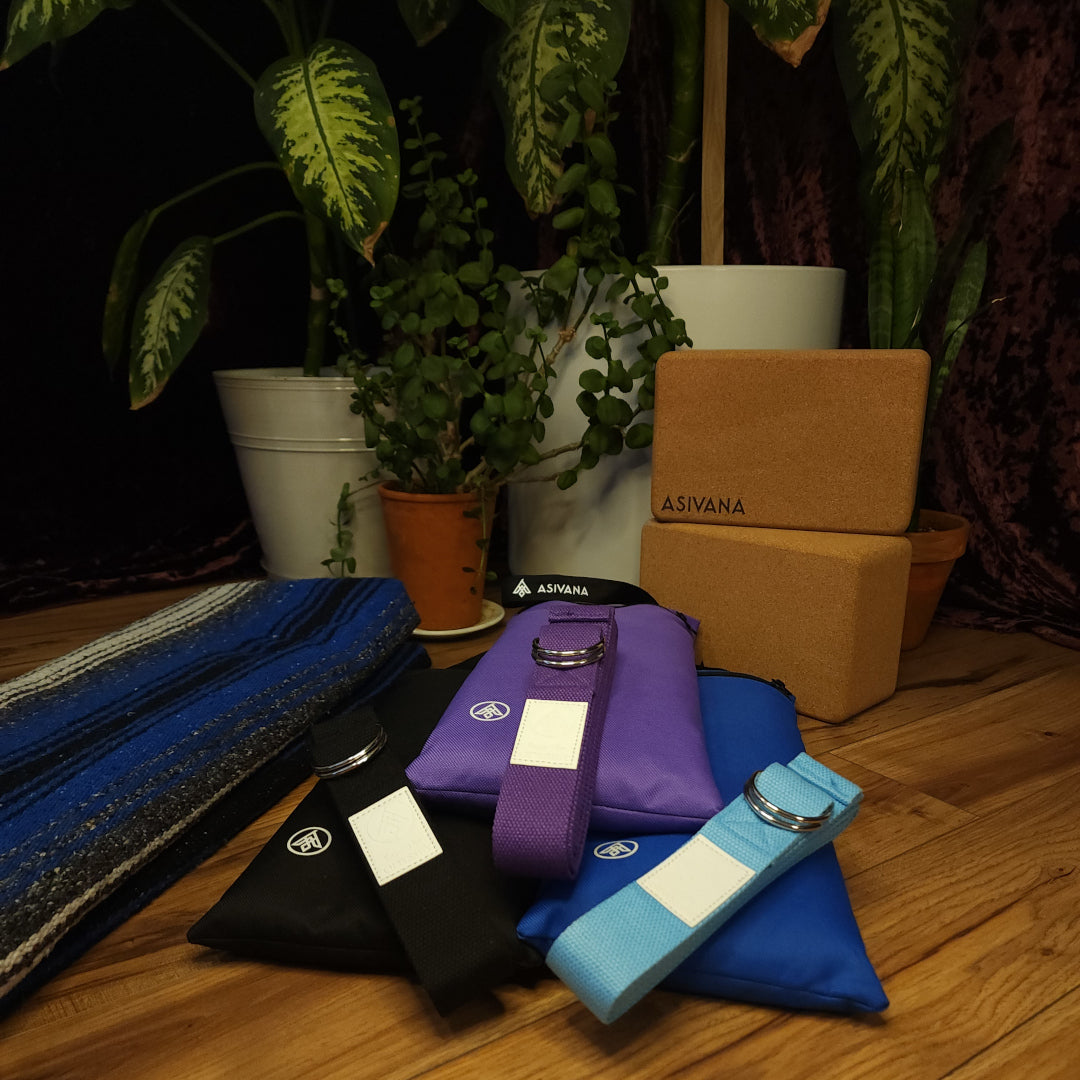
Blocks are the most versatile prop in yoga. Two blocks bring the floor closer when your hands can’t reach, offer height under your seat in forward folds and create stability in standing poses. They’re also useful under the head or hips in restorative poses or between the thighs or feet to engage muscles during strengthening exercises. When you’re starting out, purchase a pair of blocks—having two allows you to support both sides of the body simultaneously. Foam blocks are lightweight and comfortable; cork blocks offer firmness and a natural feel.

Asivana recommendation: Our cork blocks provide sturdy support and a natural texture while still being lightweight. Choose a standard size (around 4×6×9 inches) so you can rotate the block to different heights.
Strap
A yoga strap helps lengthen your reach and makes stretching safer. Use a strap in seated forward folds to maintain a long spine while your hamstrings open. It also acts as an extension of your arms in poses where your hands can’t yet connect. Looped or buckle straps allow you to create a secure loop for specific postures. When selecting a strap, look for durable cotton or hemp and a buckle or loops you find easy to adjust.

Asivana recommendation: Our adjustable recycled polyester yoga strap with metal buckle in our shop is long enough for most practitioners and easy to secure. It’s an inexpensive tool that can transform your practice.
Blanket
Blankets are unsung heroes in yoga practice. A folded blanket provides extra lift under your hips in cross‑legged poses, cushions sensitive knees and wrists, supports the head or back and keeps you warm during relaxation. Choose a blanket that folds firmly and holds its shape—cotton or traditional Mexican blankets are popular because they are durable and provide stable support. If you’re just beginning, use a firm household blanket until you decide to invest in a dedicated yoga blanket.
Asivana recommendation: Our hand‑woven cotton blankets fold neatly and offer firm support for seated postures and restorative shapes.
Bolster
Bolsters offer comfort and support in restorative and yin practices. Placing a bolster under your knees in Savasana relieves tension in the lower back. Sitting on one can help tilt the pelvis forward for meditation or pranayama, and reclining over a bolster allows your chest to open without strain. While bolsters may seem like a luxury, once you experience the support they provide, you’ll appreciate how they help your nervous system relax. Rectangular bolsters are stable and versatile; look for a removable, washable cotton cover.
Asivana recommendation: Our rectangular bolsters are filled with supportive natural fibers and have zippered covers for easy washing.
Substitutions & Additional Props
If you don’t have access to props at home, get creative: heavy books or sturdy boxes can stand in for blocks; belts, scarves or rolled‑up T‑shirts can substitute for straps; rolled towels or folded blankets provide padding under knees and hips. As you progress, you may explore props like eye pillows, sandbags, wheels or meditation cushions, depending on your style and goals. The most important part is that your practice feels safe and enjoyable.
Timeline: Building Your Prop Collection
Beginners do not need to buy every yoga prop at once. Start with the most useful tools first, then add support as your practice becomes more consistent.
Start here
Yoga Mat
A yoga mat gives you a steady, non-slip foundation for standing poses, seated practice, floor work, and rest.
First purchase
Two Yoga Blocks and One Yoga Strap
Blocks bring the floor closer and support alignment. A strap extends your reach so you can stretch without rounding, gripping, or forcing flexibility.
After a few weeks
Yoga Blanket
A blanket adds lift under the hips, cushions sensitive knees and wrists, and supports comfort during Savasana or seated meditation.
When adding Yin or restorative yoga
Yoga Bolster
A bolster supports longer-held postures, seated meditation, supported backbends, gentle twists, and deep rest.
Optional later
Eye Pillow, Sandbag, Yoga Wheel, or Meditation Cushion
These props become useful once you know your practice style and want more support for relaxation, mobility, meditation, or Yoga Nidra.
Best beginner setup: A yoga mat, two blocks, and a strap are the most useful starting points. Add a blanket and bolster when comfort, rest, and longer-held poses become part of your practice.
Conclusion
Props aren’t just for beginners; they’re powerful tools that support yogis at every level. A good mat gives you a stable foundation, blocks and straps encourage proper alignment and deeper stretching, blankets offer comfort and lift, and bolsters help your body fully relax.
Build your collection gradually, use household substitutes when necessary, and focus on the sensations in your body. When you’re ready to invest in sustainably made props, explore our cork mats, cork blocks, cotton straps, blankets and bolsters. Your practice and your body will thank you.