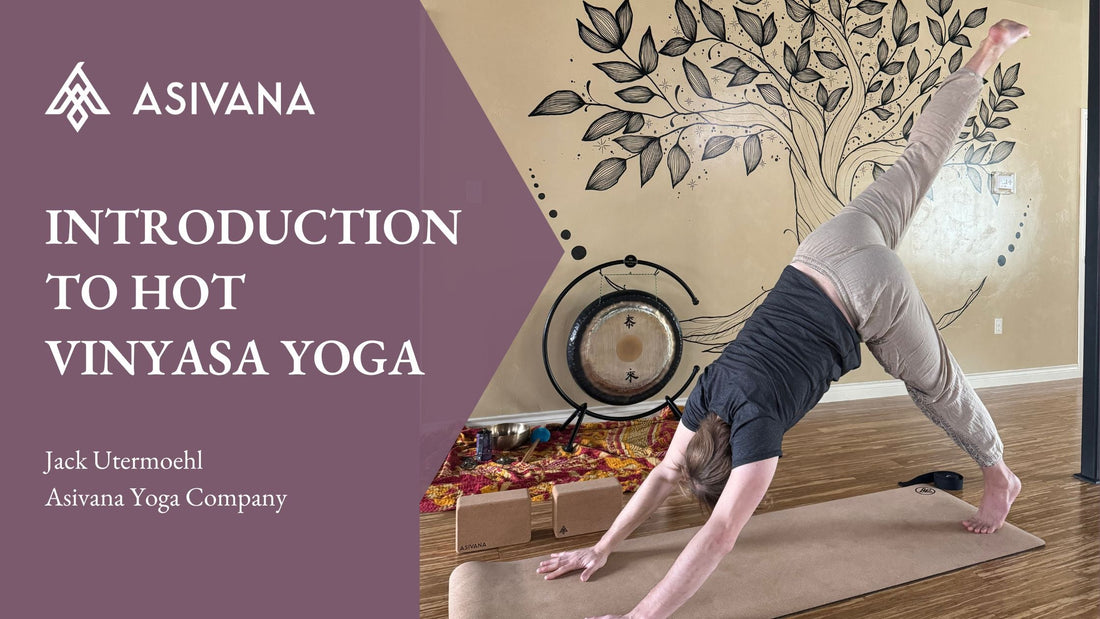
Introduction to Hot Vinyasa Yoga
Jack UtermoehlHot Vinyasa Yoga is a flowing yoga practice taught in a heated room. It combines breath-led transitions between postures with additional environmental heat. Unlike styles built around a fixed sequence, Hot Vinyasa classes vary by teacher, studio, and experience level. Expect standing poses, balance, strength work, and a final period of rest, with an added need to manage hydration and heat exposure.
What is Hot Vinyasa Yoga?
Vinyasa Yoga links movement with breath, frequently building sequences around transitions between postures. A Hot Vinyasa class follows the same general approach in a warmed or heated space. Studios set their own temperatures, which can range from moderately warm to around 95–105°F (35–41°C). Ask for the actual temperature and humidity before attending because the label hot has no single universal standard.
Vinyasa is related to practices influenced by Ashtanga Yoga, while modern heated classes are contemporary adaptations. The combination of flow and heat is a studio format, not one prescribed ancient series.
Hot Vinyasa vs. other yoga styles
| Style | Typical format | Heat |
|---|---|---|
| Hot Vinyasa | Variable breath-led flow | Heated; studio-dependent |
| Bikram Yoga | Set 26-posture format with two breathing exercises | Traditionally about 105°F |
| Power Yoga | Generally strength-oriented flow | May be room temperature or heated |
| Hatha Yoga | Often a slower modern class, though usage varies | Usually unheated |
What happens in a Hot Vinyasa class?
Every teacher creates a different experience, yet a beginner-friendly class often follows this pattern:
- Arrival and orientation, 5–10 minutes: Find a place for your mat, ask about the temperature, and learn where drinking water is available.
- Warm-up, 10 minutes: Easy seated movement, Cat–Cow, or gentle lunges introduce the breath and major movements.
- Flow, 20–30 minutes: Standing poses and transitions may include Downward-Facing Dog, Warrior I and II, lunges, and balance poses.
- Cool-down, 10 minutes: Slower, less demanding postures help you shift out of active practice.
- Savasana, 5 minutes: Rest, followed by an unhurried transition to standing.
These are example timings rather than a rule. A responsible teacher can suggest alternatives, encourage breaks, and make the class accessible to more people.

Potential benefits and realistic expectations
Regular yoga practice may contribute to balance, strength, mobility, stress management, and emotional well-being. The U.S. National Center for Complementary and Integrative Health summarizes research on yoga and its safety. However, results from yoga studies do not establish that turning up the room temperature makes a practice more therapeutic.
Warm muscles may feel more willing to move, yet that sensation is not permission to force a stretch. Sweating is primarily part of the body's cooling response. Claims that a Hot Vinyasa class removes heavy metals or toxins through sweat, boosts immunity through heat-shock proteins, or offers superior medical outcomes should not be treated as established benefits.
Hot Vinyasa Yoga safety
Heat adds risks, especially overheating and dehydration. The NCCIH safety guidance specifically identifies these concerns and advises against hot yoga during pregnancy because of overheating. People with cardiovascular conditions, problems regulating body temperature, certain medications, or a history of heat illness should ask an appropriate healthcare professional whether a heated class is suitable.
- Begin with an unheated Vinyasa class if you are new to yoga, or select a genuinely gentle heated session.
- Drink fluids as appropriate and follow thirst; avoid deliberately overdrinking to compensate for heat.
- Rest or exit the room if you feel lightheaded, nauseated, weak, confused, or unusually unwell. Seek urgent assistance for severe symptoms.
- Skip breath-holding challenges and extreme postures, particularly when overheated.
- Tell the teacher you are new and ask about alternatives and room-exit policies before class.
What to bring to Hot Vinyasa Yoga
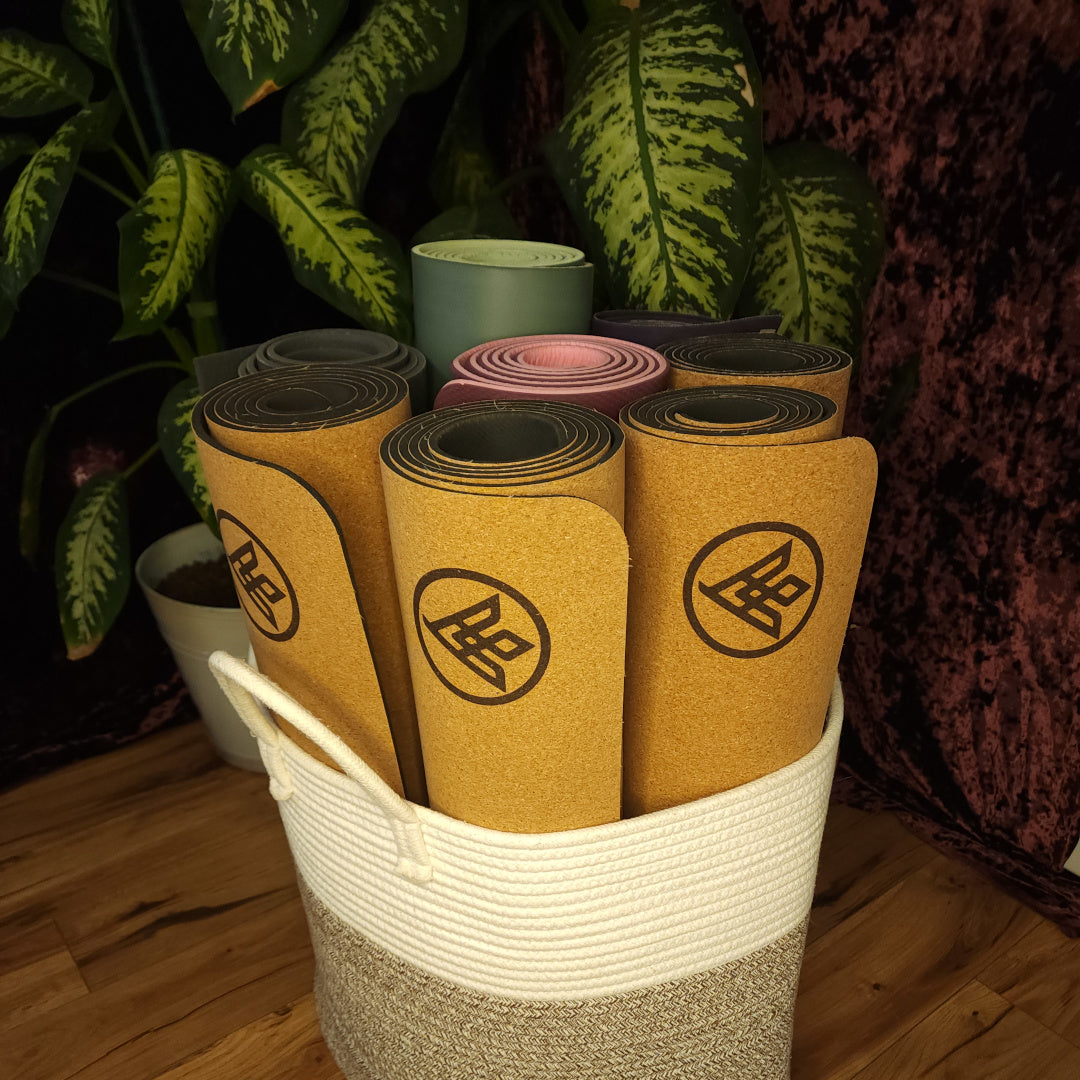
Bring water, comfortable clothing that allows movement, and a mat with traction that works for you when damp. A mat towel can also be useful. A cork yoga mat is one available option: Asivana's cork-and-rubber mat offers a natural cork practice surface, though grip depends on the user, care, and conditions.
A cork yoga block can bring the floor closer in standing poses, while a yoga strap can support comfortable range of motion. Props are useful in classes at any temperature and should not be confused with equipment designed to prevent heat illness.

Is Hot Vinyasa good for beginners?
It can be, depending on the heat level, pace, teacher, and individual circumstances. A non-heated introductory class often provides a more forgiving place to learn alignment, breath-led movement, and ways to modify poses. If you choose a heated class, tell the teacher you are new and give yourself permission to pause whenever necessary.
Hot Vinyasa Yoga teacher training
Training to teach Vinyasa generally involves sequencing, anatomy, philosophy, teaching methods, and practice teaching. Teaching in heat adds environmental and safety considerations. Yoga Alliance provides information about teacher-training credentials, though registration alone does not guarantee competence in heat safety or clinical issues.
Finding a class that fits your needs
Ask the studio about temperature and humidity, class duration, intensity, experience requirements, ventilation, and how the teacher handles students leaving the room. You can also compare other types of Hot Yoga before you choose.
The central practice is still yoga. Breath, attention, skillful movement, and appropriate rest matter more than how much you sweat. A well-designed class should help you notice your limits and work with them.
Original Asivana practice and community photographs
These photographs from the original article document the practices and community presented in Asivana's earlier teaching materials.